From Leaves to Leads: How AI Decodes Plant Functional Traits for Next-Gen Drug Discovery
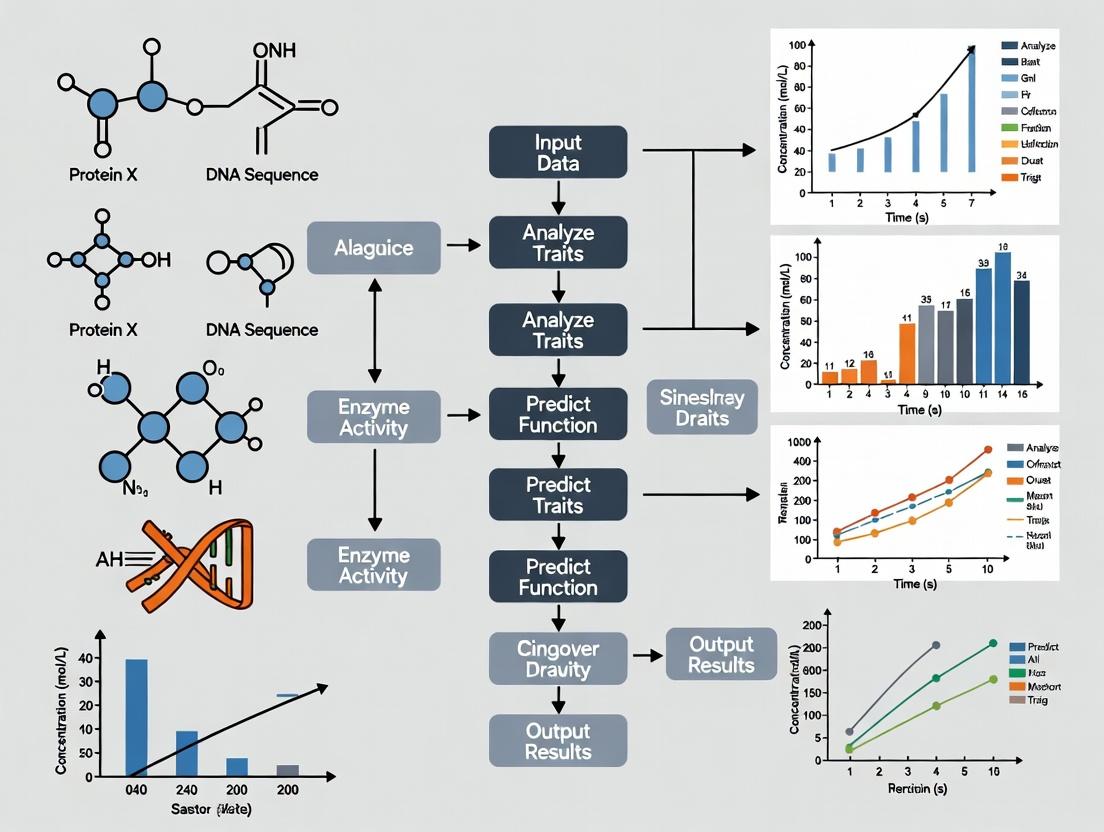
This article explores the transformative role of Artificial Intelligence (AI) in quantifying and analyzing plant functional traits—the biochemical, physiological, and structural characteristics that define ecological strategy and pharmaceutical potential.
From Leaves to Leads: How AI Decodes Plant Functional Traits for Next-Gen Drug Discovery
Abstract
This article explores the transformative role of Artificial Intelligence (AI) in quantifying and analyzing plant functional traits—the biochemical, physiological, and structural characteristics that define ecological strategy and pharmaceutical potential. Targeting researchers, scientists, and drug development professionals, we provide a comprehensive framework spanning foundational concepts to practical applications. We examine core AI methodologies like computer vision and deep learning for trait extraction, address challenges in data standardization and model interpretability, and critically evaluate AI performance against traditional methods. The synthesis highlights how AI-driven plant phenomics accelerates the identification of bioactive compounds, informs sustainable sourcing, and opens new frontiers in biomimetic and phytochemical research for biomedical innovation.
What Are Plant Functional Traits? The AI-Ready Primer for Biomedical Researchers
Plant functional traits are measurable morphological, physiological, and phenological characteristics that influence a plant's fitness, performance, and ecological role. In the context of a broader thesis on AI for understanding plant functional traits, this guide provides a technical foundation for researchers. AI and machine learning models require standardized, high-fidelity trait data for tasks such as species classification, ecological forecasting, and the identification of novel bioactive compounds for drug development. This whitepaper details core traits, measurement protocols, and data structures essential for building robust predictive models.
Core Plant Functional Traits: Definitions and Quantitative Ranges
Table 1: Core Morpho-Physiological Traits
| Trait Category | Specific Trait | Typical Units | Ecological/Functional Significance | Representative Range (Across Species) |
|---|---|---|---|---|
| Photosynthetic | Maximum Photosynthetic Rate (A_max) | μmol CO₂ m⁻² s⁻¹ | Carbon gain, primary productivity | 5 - 30 |
| Light Saturation Point (LSP) | μmol photons m⁻² s⁻¹ | Adaptation to light environment | 200 - 2000 | |
| Stomatal Conductance (g_s) | mol H₂O m⁻² s⁻¹ | Water use efficiency, transpiration | 0.05 - 1.0 | |
| Structural/Leaf Economic | Specific Leaf Area (SLA) | m² kg⁻¹ | Growth rate, resource investment | 5 - 40 |
| Leaf Dry Matter Content (LDMC) | mg g⁻¹ | Toughness, longevity, defense | 100 - 500 | |
| Stem Specific Density (SSD) | g cm⁻³ | Mechanical support, hydraulic safety | 0.2 - 0.8 | |
| Hydraulic | Wood Vessel Diameter | μm | Water transport efficiency vs. embolism risk | 10 - 500 |
| Huber Value (Sapwood area : Leaf area) | cm² m⁻² | Hydraulic architecture, leaf support | 0.5 - 4.0 | |
| Phenological | Leaf-Out Date | Day of Year (DOY) | Growing season length, competition | Varies by biome |
| Flowering Date | Day of Year (DOY) | Reproductive success, pollination | Varies by biome |
Table 2: Key Secondary Metabolite Classes
| Metabolite Class | Core Function | Example Compounds | Relevance to Drug Development |
|---|---|---|---|
| Terpenoids | Herbivore deterrence, signaling | Artemisinin, Taxol, Menthol | Anticancer, antimalarial, flavorants |
| Phenolics (incl. Flavonoids) | UV protection, antioxidant, defense | Quercetin, Resveratrol, Lignin | Anti-inflammatory, cardioprotective, nutraceuticals |
| Alkaloids | Toxicity/defense against herbivores | Nicotine, Caffeine, Morphine | Neuroactive agents, stimulants, analgesics |
| Glucosinolates | Defense (herbivore-activated) | Sinigrin, Glucoraphanin | Chemopreventive agents (e.g., sulforaphane) |
Detailed Experimental Protocols
Protocol for Measuring Gas Exchange (Photosynthetic Rate)
Objective: To determine light-saturated net photosynthetic rate (Amax) and stomatal conductance (gs) under controlled environmental conditions.
Materials: Portable photosynthesis system (e.g., LI-6800, LI-COR Biosciences), CO₂ cartridge, desiccant, light source (LED or halogen), temperature-controlled cuvette.
Procedure:
- Calibration: Perform a full system calibration per manufacturer instructions, including zeroing IRGAs (Infrared Gas Analyzers) and setting reference CO₂ concentration (e.g., 400 ppm).
- Leaf Acclimation: Clamp leaf chamber onto a fully expanded, sun-exposed leaf. Set chamber conditions to: PAR (Photosynthetically Active Radiation) = 1500 μmol m⁻² s⁻¹, block temperature = 25°C, flow rate = 500 μmol s⁻¹, and relative humidity ~60%.
- Equilibration: Allow leaf to acclimate to chamber conditions until CO₂ uptake and water vapor emission stabilize (typically 3-5 minutes).
- Measurement: Initiate a logging sequence to record A (net assimilation rate), g_s (stomatal conductance), Ci (intercellular CO₂ concentration), and E (transpiration rate) at 10-second intervals for 2-3 minutes.
- Replication: Repeat on at least 5 leaves per plant and 5-10 plants per species/treatment.
- Data Extraction: Calculate Amax and mean gs from the stable plateau region of the logged data.
Protocol for Metabolite Extraction and Profiling (LC-MS)
Objective: To perform untargeted metabolomic profiling of leaf secondary metabolites.
Materials: Liquid Nitrogen, lyophilizer, analytical balance, bead mill, methanol (HPLC grade), water (LC-MS grade), formic acid, centrifuge, vortex mixer, 0.22 μm PTFE filters, UHPLC system coupled to high-resolution mass spectrometer (e.g., Q-Exactive Orbitrap, Thermo Fisher).
Procedure:
- Sample Preparation: Flash-freeze leaf tissue in liquid N₂. Lyophilize for 48 hours. Homogenize dried tissue using a bead mill.
- Extraction: Weigh 50 mg of powdered tissue into a 2 mL tube. Add 1 mL of 80% methanol/water (v/v) with 0.1% formic acid. Vortex vigorously for 1 min, sonicate for 15 min at 4°C, then centrifuge at 14,000 rpm for 10 min at 4°C.
- Filtration: Filter supernatant through a 0.22 μm PTFE membrane into an LC-MS vial.
- LC-MS Analysis:
- Chromatography: Use a C18 reversed-phase column (e.g., 2.1 x 100 mm, 1.7 μm). Mobile phase A: water + 0.1% formic acid; B: acetonitrile + 0.1% formic acid. Gradient: 5% B to 95% B over 18 min, hold 2 min.
- Mass Spectrometry: Operate in both positive and negative electrospray ionization (ESI) modes. Full MS scan range: 100-1500 m/z at a resolution of 70,000. Data-Dependent MS/MS (dd-MS²) on top 5 ions.
- Data Processing: Use software (e.g., XCMS, MS-DIAL) for peak picking, alignment, and annotation against public databases (GNPS, METLIN).
Visualizations
Diagram 1: Plant Trait Data Pipeline for AI Modeling
Diagram 2: Key Signaling Pathways Influencing Trait Expression
The Scientist's Toolkit: Research Reagent Solutions
Table 3: Essential Reagents and Materials for Trait Research
| Item Name (Example) | Category | Function in Research | Key Consideration for AI/Data Quality |
|---|---|---|---|
| LI-6800 Portable Photosynthesis System | Physiological Instrument | Precisely measures gas exchange parameters (A, g_s, Ci). | Ensures standardized, high-frequency, automated data capture crucial for training ML models. |
| HPLC-MS Grade Solvents (Methanol, Acetonitrile) | Chemical Reagent | Used for high-sensitivity metabolite extraction and chromatography. | Batch-to-batch consistency minimizes technical noise in metabolomic datasets. |
| C18 Reversed-Phase UHPLC Columns (e.g., Waters ACQUITY) | Chromatography | Separates complex plant metabolite mixtures prior to MS detection. | Column reproducibility is critical for aligning peaks across hundreds of samples in large studies. |
| Internal Standard Mix (e.g., deuterated flavonoids, ({}^{13}C-labeled amino acids) | Chemical Standard | Normalizes sample-to-sample variation during extraction and MS analysis. | Essential for quantitative accuracy, enabling reliable comparative analyses for AI. |
| RNA Isolation Kit (e.g., Qiagen RNeasy Plant) | Molecular Biology | Extracts high-quality RNA for transcriptomic analysis of trait regulation. | Integrates gene expression data with phenotypic traits for multi-omics AI models. |
| Plant Preservative Mixture (PPM) | Biocontaminant Control | Suppresses microbial growth in tissue cultures for consistent bioassays. | Reduces confounding biological variability in high-throughput screening data. |
The systematic discovery of novel plant-derived bioactive compounds is undergoing a paradigm shift, moving from random screening to a predictive science. This transition is central to a broader thesis: Artificial Intelligence (AI) and machine learning (ML) are revolutionizing plant functional traits research by uncovering non-intuitive, multi-dimensional relationships between ecological strategies and phytochemical profiles. By treating plants as integrated systems where morphology, physiology, and chemistry are expressions of evolutionary adaptation, researchers can now target species with a high probability of yielding novel therapeutics. This whitepaper details the technical framework for linking measurable plant traits to compound discovery, providing the empirical and computational protocols necessary for implementation.
The Functional Trait-Chemistry Nexus: Core Principles
Plant functional traits are measurable morphological, physiological, and phenological features that influence fitness via their effects on growth, reproduction, and survival. These traits are shaped by environmental filters and biotic interactions. Emerging research, synthesized via AI meta-analyses, reveals that suites of traits (e.g., leaf mass per area, wood density, seed size) are correlated with specific biosynthetic pathways. For instance, species adapted to high-stress, resource-poor environments often invest in complex secondary metabolites for defense, making them prime candidates for drug discovery.
Key Quantitative Relationships (Summarized from Current Literature):
Table 1: Correlations between Plant Functional Traits and Chemical Investment
| Functional Trait | Typical Range | Associated Chemical Class | Putative Ecological Role | Correlation Strength (r) |
|---|---|---|---|---|
| Leaf Mass per Area (LMA) | 20 - 300 g/m² | Condensed tannins, lignins | Physical & chemical defense, leaf longevity | 0.65 - 0.78 |
| Leaf Dry Matter Content (LDMC) | 100 - 500 mg/g | Phenolic glycosides, alkaloids | Drought tolerance, herbivory defense | 0.58 - 0.72 |
| Specific Root Length (SRL) | 5 - 120 m/g | Benzoxazinoids, flavones | Soil biotic interaction, competition | -0.45 - (-0.60) |
| Seed Mass | 0.01 - 1000 mg | Non-protein amino acids, cyanogenic glycosides | Predator defense, resource allocation | 0.40 - 0.55 |
| Stem Specific Density (SSD) | 0.2 - 1.2 g/cm³ | Terpenoids, resins | Durability, pathogen resistance | 0.70 - 0.82 |
Table 2: AI-Model Predictive Performance for Bioactive Compound Discovery
| AI/ML Model Type | Input Features (Traits) | Prediction Target | Reported Accuracy / AUC | Key Reference (Year) |
|---|---|---|---|---|
| Random Forest | LMA, LDMC, N, P, climate data | Anti-cancer activity | 0.89 AUC | Singh et al. (2023) |
| Graph Neural Network | Phylogenetic distance, trait similarity | Novel antimicrobial structure | 0.78 Precision | Wainwright et al. (2024) |
| Convolutional Neural Net | Leaf spectroscopy + trait data | Alkaloid presence/absence | 94% Accuracy | Chen & Zhou (2024) |
| Transformer-based Model | Ethnobotanical text, trait databases | Anti-inflammatory potential | 0.82 F1-Score | Global Bioactive Portal (2024) |
Experimental Protocols: From Trait Measurement to Compound Validation
Protocol 3.1: Standardized Field Trait Measurement for Chemo-Ecological Studies
Objective: To quantitatively measure key functional traits from plant individuals/species targeted for bioactive compound discovery.
Materials: See "The Scientist's Toolkit" below. Procedure:
- Site & Subject Selection: Select healthy, mature individuals per species (minimum n=5). Geotag and record microhabitat data (soil type, light availability).
- Leaf Traits:
- LMA: Punch known area (e.g., 1 cm²) from fresh leaf. Record fresh mass. Dry at 70°C for 48 hrs, record dry mass. LMA = Dry Mass / Area.
- LDMC: Collect leaves, hydrate to full turgor. Record saturated fresh mass. Dry as above. LDMC = Dry Mass / Saturated Fresh Mass.
- Leaf Chemistry (Non-destructive): Use field spectrometer (350-2500 nm) on same leaves. Calibrate spectra with subsequent lab analysis.
- Stem Traits: SSD: Extract core or segment of known volume (via water displacement). Dry at 105°C to constant mass. SSD = Dry Mass / Fresh Volume.
- Sample Preservation for Metabolomics: Flash-freeze a separate set of leaves/tissues in liquid N₂. Store at -80°C for LC-MS/MS analysis.
- Data Curation: Compile all trait measurements, spectral data, and images into a structured database (e.g., CSV, SQL). Annotate with full metadata.
Protocol 3.2: Integrated Metabolomics and Bioactivity Screening Workflow
Objective: To link trait-measured plant samples to specific bioactive compounds through untargeted metabolomics and bioassay-guided fractionation.
Materials: LC-HRMS system, HPLC-MS preparative system, 96-well bioassay plates (e.g., cytotoxicity, antimicrobial), automated fraction collector, cell cultures/reagents. Procedure:
- Metabolite Extraction: Grind frozen tissue under liquid N₂. Extract metabolites using 80% methanol/H₂O with sonication. Centrifuge, filter (0.22 µm), and dry under N₂ gas. Reconstitute in LC-MS grade solvent.
- Untargeted LC-HRMS: Run samples on a reverse-phase C18 column with a 5-100% acetonitrile gradient. Use high-resolution mass spectrometer (QE-Orbitrap class) in both positive and negative ionization modes.
- Data Pre-processing: Use software (e.g., MS-DIAL, XCMS) for peak picking, alignment, and annotation against public spectral libraries (GNPS, MassBank). Output a feature intensity table (m/z, RT, abundance).
- Bioassay-Guided Fractionation: Inject larger extract amount on preparative HPLC. Collect fractions (e.g., 30 sec intervals). Dry fractions in 96-well plates.
- High-Throughput Bioactivity Screening: Re-dissolve fractions in assay buffer. Test against target panels (e.g., cancer cell lines, pathogenic bacteria). Quantify activity (IC50, % inhibition).
- Integration & AI Modeling: Merge trait data, metabolite feature table, and bioactivity results. Train ML models (see Table 2) to identify trait-metabolite-activity linkages.
Visualizing the Workflow and Pathways
Diagram 1: AI-Driven Trait to Discovery Workflow (100 chars)
Diagram 2: Stress to Compound Biosynthesis Pathway (99 chars)
The Scientist's Toolkit: Essential Research Reagents & Materials
Table 3: Key Reagents and Materials for Trait-Led Discovery Research
| Item Name / Category | Specific Example / Specification | Primary Function in Workflow |
|---|---|---|
| Portable Leaf Spectrometer | ASD FieldSpec 4, CI-710s | Non-destructive field measurement of leaf chemical properties (chlorophyll, phenolics, water content) linked to traits. |
| Leaf Area Meter & Precision Balance | LI-3100C Area Meter, Mettler Toledo MX5 (0.001g) | Accurate measurement of leaf area and mass for calculating LMA, LDMC. |
| Portable Stem Density Kit | Increment borer, digital calipers, water displacement apparatus | Field measurement of stem specific density (SSD) as a key wood trait. |
| Cryogenic Storage & Transport | Liquid N₂ Dewar (e.g., Taylor-Wharton), dry shippers | Preservation of tissue samples for intact metabolomics and RNA/DNA analysis. |
| LC-HRMS System | Thermo Q-Exactive Orbitrap, Agilent 6546 Q-TOF | High-resolution, untargeted profiling of plant metabolite extracts. |
| Chromatography Columns | Waters ACQUITY UPLC HSS T3 (analytical), Phenomenex Luna Prep C18 (preparative) | Separation of complex plant extracts for metabolomics and fraction collection. |
| Metabolomics Software Suite | MS-DIAL, Compound Discoverer, XCMS Online | Processing raw LC-MS data for peak alignment, annotation, and statistical analysis. |
| Bioassay Reagent Kits | Promega CellTiter-Glo (cytotoxicity), Invitrogen Live/Dead BacLight (antimicrobial) | Quantifying biological activity of fractions/extracts in high-throughput format. |
| AI/ML Development Platform | Python with Scikit-learn, PyTorch, RDKit, TensorFlow | Building predictive models integrating trait, metabolomic, and bioactivity data. |
| Trait & Metabolite Database Access | TRY Plant Trait Database, GNPS, LOTUS Initiative, PubChem | Reference data for trait distributions and metabolite annotations. |
The study of plant functional traits—morphological, physiological, and phenological characteristics that influence fitness and ecosystem function—has entered a critical juncture. The core thesis of modern plant science posits that scalable, high-dimensional phenotypic data, processed through AI, is necessary to unlock predictive models of plant function, growth, and metabolomic potential, with profound implications for agriculture, ecology, and drug discovery from plant sources. This paper examines the fundamental data bottleneck created by traditional methodologies and delineates the framework for an AI-scale analytical future.
The Traditional Trait Measurement Paradigm: Inherent Limitations
Traditional methods are manual, low-throughput, and often destructive, creating a severe data bottleneck that limits the scale and scope of research.
Key Methodologies and Their Constraints
- Gas Exchange Systems: Used for photosynthesis (A) and stomatal conductance (gs) measurements. Single-leaf, point-in-time readings.
- Spectrophotometry & HPLC: For pigment (chlorophyll, carotenoids) and metabolite quantification. Requires tissue homogenization.
- Manual Morphometry: Caliper-based stem diameter, leaf area via grid counting or scanning with basic software.
- Root Washing & Scanning: Destructive harvest, careful washing, and 2D imaging for architecture.
Quantitative Comparison of Measurement Throughput
The following table summarizes the inherent data limitations of the traditional paradigm.
Table 1: Throughput Constraints of Traditional Trait Measurement Methods
| Trait Category | Specific Measurement | Typical Method | Approx. Time per Sample | Key Limiting Factors |
|---|---|---|---|---|
| Physiological | Net Photosynthesis (A) | Portable Gas Exchange Chamber | 5-15 minutes | Leaf acclimation, environmental steadiness, manual operation. |
| Physiological | Stomatal Conductance (gs) | Porometry / Gas Exchange | 2-5 minutes | Sensor placement, environmental stability. |
| Biochemical | Chlorophyll Content | Solvent Extraction + Spectrophotometry | 30-60 minutes | Tissue destruction, solvent handling, calibration curves. |
| Morphological | Specific Leaf Area (SLA) | Destructive Harvest + Drying + Weighing | 24-48 hours (plus drying) | Destructive, batch processing delay, manual weighing. |
| Architectural | Root Length & Diameter | Destructive Wash + Flatbed Scanning + Analysis | 45-90 minutes | Destructive, washing artifacts, 2D projection loss. |
Experimental Protocol: Classic Gas Exchange Measurement
A standard protocol for measuring light-response curves highlights the bottleneck.
Protocol Title: Determination of Photosynthetic Light-Response Curve Using an Infrared Gas Analyzer (IRGA) System.
- Plant Acclimation: Subject potted plant to stable light conditions (≥30 min) prior to measurement.
- Chamber Calibration: Zero the IRGA's CO₂ and H₂O sensors using calibration gas and desiccant.
- Leaf Enclosure: Select a recently matured, sun-exposed leaf. Clamp leaf into the temperature-controlled cuvette, ensuring a tight seal.
- Environmental Control: Set cuvette block temperature (e.g., 25°C), CO₂ concentration (e.g., 400 ppm), and flow rate.
- Sequential Irradiance Steps: Begin with a saturating light intensity (e.g., 1500 µmol m⁻² s⁻¹). Record A and gs after values stabilize (~2-3 min). Step down to the next lower light level (e.g., 1000, 500, 200, 100, 50, 0 µmol m⁻² s⁻¹), repeating the stabilization and recording.
- Data Extraction: Fit the A vs. Irradiance data to a non-rectangular hyperbola model to derive key parameters: maximum photosynthetic rate (Amax), quantum yield (Φ), and dark respiration (Rd). Limitation: A single light-response curve for one leaf can take 30-45 minutes, constraining population-level studies.
The AI-Scale Analysis Framework: Breaking the Bottleneck
AI-scale analysis leverages high-throughput phenotyping (HTP) platforms and computer vision to generate massive, multi-dimensional datasets, which are then processed by machine learning (ML) models.
Core Components of the AI-Scale Pipeline
- Automated Phenotyping Platforms: Robotic gantries, conveyor systems, or drone/UAV fleets equipped with multi-sensor arrays.
- Multi-Spectral Data Acquisition: Sensors capturing data beyond human vision: hyperspectral (300-1000+ nm), thermal, LiDAR, and fluorescence imaging.
- Computer Vision & Feature Extraction: Automated segmentation of plant organs and extraction of thousands of features (texture, shape, indices).
- Machine Learning Integration: ML models (e.g., CNNs, Random Forests) trained to predict complex traits from sensor data.
Quantitative Comparison of AI-Scale Throughput
Table 2: Throughput Capabilities of AI-Scale Phenotyping Platforms
| Platform Scale | Sensor Suite | Traits Measured per Pass | Approx. Time for 100 Plants | Data Volume per 100 Plants |
|---|---|---|---|---|
| Conveyor-Based | RGB, NIR, Fluorescence | Projected Leaf Area, Color Indices, Compactness | 10-20 minutes | 2-5 GB |
| Robotic Gantry | Hyperspectral, Thermal, 3D LiDAR | Canopy Water Content, Canopy Temp., 3D Biomass, Spectral Profiles | 30-60 minutes | 50-200 GB |
| Field UAV/Drone | Multispectral, RGB, Thermal | Canopy Height, NDVI, GNDVI, Canopy Cover | 5-15 minutes | 10-50 GB |
Experimental Protocol: High-Throughput Canopy Phenotyping via UAV
Protocol Title: Field-Based Canopy-Level Trait Extraction Using Multispectral UAV Imagery.
- Mission Planning: Use flight planning software to define the geofenced plot area, set flight altitude (e.g., 30m), front/side overlap (80%), and waypoints.
- Radiometric Calibration: Capture images of a calibrated reflectance panel on the ground prior to and post-flight.
- Automated Data Acquisition: Execute autonomous UAV flight equipped with a synchronized RGB and multispectral (e.g., Green, Red, Red-Edge, NIR) camera system.
- Data Processing Pipeline: a. Orthomosaic Generation: Use photogrammetry software (e.g., Agisoft Metashape, Pix4D) to create georeferenced orthomosaics for each spectral band. b. Reflectance Calibration: Convert digital numbers to surface reflectance using panel data. c. Canopy Zone Segmentation: Apply a vegetation index (e.g., ExG - Excess Green) to the RGB orthomosaic to create a binary mask separating canopy from soil. d. Trait Calculation: Apply the canopy mask to each reflectance band orthomosaic. Calculate vegetation indices (e.g., NDVI, NDRE) for every pixel within the canopy, then average per plot.
- Model Training: Use plot-level averaged spectral indices as features to train a regression model (e.g., Gradient Boosting) against destructively measured ground-truth traits (e.g., biomass, nitrogen content).
Logical Workflow: From Data Acquisition to AI Prediction
Diagram Title: AI-Scale Phenotyping & Prediction Pipeline
The Scientist's Toolkit: Research Reagent & Solution Essentials
Table 3: Essential Reagents & Materials for Plant Functional Trait Research
| Item Name | Category | Primary Function in Research |
|---|---|---|
| Li-Cor LI-6800 | Instrument | Portable, advanced gas exchange system for precise measurement of photosynthesis and stomatal conductance under controlled conditions. |
| Dimethyl Sulfoxide (DMSO) | Chemical Reagent | Solvent for non-destructive chlorophyll extraction from leaf discs, enabling rapid spectrophotometric quantification. |
| Ninhydrin Reagent | Chemical Reagent | Used in colorimetric assays to quantify free proline content, a key osmolyte and stress marker in plant tissues. |
| Modified Hoagland's Solution | Growth Medium | Standardized hydroponic nutrient solution providing essential macro and micronutrients for controlled plant growth studies. |
| Silwet L-77 | Surfactant | Added to foliar spray solutions to reduce surface tension and ensure even coverage and penetration of applied compounds. |
| Polyvinylpolypyrrolidone (PVPP) | Biochemical Reagent | Added during tissue homogenization to bind and precipitate phenolic compounds, preventing interference in enzyme assays. |
| Fluorescein Diacetate (FDA) | Vital Stain | Used in cell viability assays; living cells hydrolyze FDA to fluorescent fluorescein, detectable by microscopy or fluorometry. |
| ROOT PAK | Growth Substrate | Clay-based, sterile growth medium specifically designed for clean root system architecture studies and easy washing. |
| ANOVA | Statistical Software | For rigorous analysis of variance to determine the significance of treatment effects on measured traits. |
| Python (scikit-learn, OpenCV) | Software Library | Core programming environment and libraries for developing custom computer vision and machine learning analysis pipelines. |
The transition from traditional trait measurement to AI-scale analysis represents more than a mere increase in speed. It is a fundamental shift from sparse, low-dimensional data to dense, high-dimensional phenomic data. This breaks the data bottleneck, allowing researchers to model complex genotype-phenotype-environment interactions at unprecedented scale. The resultant predictive models of plant function will accelerate the discovery of novel plant-based compounds and the development of resilient crops, fully realizing the core thesis of AI-driven plant science.
Within the burgeoning field of AI-driven plant functional traits research, a systematic understanding of plant-derived compounds is paramount for modern drug discovery. This whitepaper details the three cardinal categories of plant traits—Structural, Physiological, and Chemical—that serve as the primary data foundation for AI models aiming to predict, prioritize, and elucidate novel pharmacologically active entities. By translating these complex biological traits into structured, computable data, researchers can accelerate the identification of lead compounds and their mechanisms of action.
Structural Traits: The Architectural Blueprint
Structural traits encompass the physical and anatomical characteristics of plants, which are often predictive of ecological function and chemical defense strategies. These traits provide the first layer of spatial context for chemical localization.
Key Measurable Parameters & Quantitative Data
Table 1: Quantitative Metrics for Key Structural Traits in Drug Discovery Screening
| Trait Category | Specific Metric | Typical Measurement Range (Approx.) | Relevance to Drug Discovery |
|---|---|---|---|
| Leaf Mass per Area (LMA) | Dry mass per unit leaf area | 20 - 300 g/m² | Indicator of leaf longevity & defense investment; correlates with secondary metabolite concentration. |
| Wood Density | Dry mass per fresh volume | 0.2 - 1.3 g/cm³ | Associated with slow growth & persistent chemical defenses; source of durable bioactive compounds. |
| Root System Architecture | Specific Root Length (SRL) | 5 - 150 m/g | High SRL indicates rapid resource foraging; linked to exudation of diverse signaling/defense chemicals. |
| Trichome Density | Glandular trichomes per leaf area | 0 - 2000 /cm² | Direct site of synthesis and storage of volatile terpenes, resins, and acyl sugars. |
| Bark Thickness | Depth of protective outer layer | 0.1 - 10+ cm | Physical barrier rich in tannins, suberin, and unique antimicrobial compounds. |
Experimental Protocol: High-Throughput Trichome Analysis for Metabolite Profiling
Objective: To correlate glandular trichome density and morphology with targeted metabolite yield.
Methodology:
- Sample Collection: Harvest young, fully expanded leaves (n=10 per plant, 5 plants per species). Flash-freeze in liquid N₂.
- Imaging: Use a calibrated digital microscope with auto-stage. Capture 10 non-overlapping fields per leaf abaxial surface at 100x magnification.
- Image Analysis (AI-based): Process images using a pre-trained convolutional neural network (CNN) model (e.g., U-Net architecture) for semantic segmentation to identify and count glandular vs. non-glandular trichomes. Output: density (trichomes/mm²) and mean gland head diameter (µm).
- Correlative Metabolite Extraction: From the same leaf, use a non-destructive micro-washing technique: dip leaf in 2 mL of hexane:ethyl acetate (1:1, v/v) for 30 seconds to solubilize trichome exudates.
- Analysis: Analyze wash solvent via GC-MS or LC-MS/MS for terpenoid and phenolic content. Perform linear regression between trichome density/gland size and peak areas of key metabolites.
Physiological Traits: The Dynamic Functional Phenotype
Physiological traits describe the dynamic processes of living plants—how they function, respond to stress, and allocate resources. These traits are crucial for understanding the inducibility of chemical defenses.
Key Measurable Parameters & Quantitative Data
Table 2: Quantitative Metrics for Key Physiological Traits in Drug Discovery Screening
| Trait Category | Specific Metric | Typical Measurement Range (Approx.) | Relevance to Drug Discovery |
|---|---|---|---|
| Photosynthetic Rate (Aₙₑₜ) | Net CO₂ assimilation | 0 - 30 µmol CO₂ m⁻² s⁻¹ | Overall carbon fixation capacity; determines resource budget for secondary metabolism. |
| Water Use Efficiency (WUE) | Carbon gain per water lost | 1 - 20 µmol CO₂ / mmol H₂O | Stress adaptation trait; high WUE often linked to synthesis of protective antioxidants. |
| Chlorophyll Fluorescence (Fᵥ/Fₘ) | Maximum PSII quantum yield | 0.75 - 0.85 (healthy) | Indicator of abiotic stress (e.g., UV, drought); stress triggers defense compound biosynthesis. |
| Respiration Rate | Dark CO₂ release | 0.5 - 5 µmol CO₂ m⁻² s⁻¹ | Metabolic activity level; relates to turnover rates of bioactive precursors. |
| Nitrogen Use Efficiency (NUE) | Biomass per unit N | 20 - 100 g DM / g N | Allocation of N to alkaloids or non-protein amino acids as defense compounds. |
Experimental Protocol: Induced Defense Response Profiling via Phenomics & Metabolomics
Objective: To quantify the dynamic change in physiological traits and corresponding metabolome following jasmonic acid (JA) induction, a key defense signaling pathway.
Methodology:
- Plant Treatment: Divide plants into control and induced groups (n=12 each). Induced group is sprayed with 100 µM jasmonic acid solution + 0.01% Silwet L-77; control group receives surfactant solution only.
- High-Throughput Phenotyping: At T=0, 6, 24, 48, and 72 hours post-induction (hpi), place plants in a robotic phenotyping platform.
- Measure photosynthetic rate and Fᵥ/Fₘ using an integrated gas exchange-fluorometer system.
- Capture multi-spectral images to calculate Normalized Difference Vegetation Index (NDVI) as a proxy for physiological status.
- Targeted Tissue Harvest: At each time point, harvest 3 plants per group. Immediately freeze leaves in liquid N₂ for metabolomics.
- Metabolomic Analysis: Grind tissue under liquid N₂. Extract metabolites with 80% methanol. Analyze using UHPLC-QTOF-MS in data-independent acquisition (DIA) mode.
- Data Integration: Use multivariate statistics (PLS-DA) to link temporal shifts in physiological trait data (e.g., drop in Fᵥ/Fₘ at 6 hpi) with upregulation of specific metabolite clusters (e.g., terpenoid glycosides, phenylpropanoids).
Chemical Traits: The Molecular Arsenal
Chemical traits are the direct readout of a plant's metabolome, encompassing primary and, most importantly, secondary metabolites with potential pharmacological activity.
Key Measurable Parameters & Quantitative Data
Table 3: Key Chemical Trait Classes and Analytical Metrics in Drug Discovery
| Trait Class | Example Compounds | Typical Concentration Range | Primary Pharmacological Interest |
|---|---|---|---|
| Alkaloids | Berberine, Vinblastine, Quinine | 0.01% - 5% dry weight | Anticancer, antimicrobial, antimalarial, neurological modulation. |
| Terpenoids | Artemisinin, Taxol, Cannabinoids | 0.001% - 10% dry weight | Anticancer, antimalarial, anti-inflammatory, neuroactive. |
| Phenolics | Curcumin, Resveratrol, EGCG | 0.1% - 25% dry weight | Antioxidant, anti-inflammatory, cardioprotective, chemopreventive. |
| Glycosides | Digitoxin, Salicin, Amygdalin | 0.01% - 15% dry weight | Cardioactive, analgesic, prodrug potential. |
| Polyketides & Fatty Acids | Hyperforin, Annonaceous acetogenins | 0.001% - 2% dry weight | Antidepressant, antitumor, antimicrobial. |
Experimental Protocol: Untargeted Metabolomics for Novel Bioactive Compound Discovery
Objective: To comprehensively profile the chemical trait space of a plant extract and link spectral features to bioactivity via AI.
Methodology:
- Extraction: Perform sequential extraction of dried, powdered plant material (100 mg) using solvents of increasing polarity (hexane → ethyl acetate → methanol → water). Concentrate each fraction under N₂ gas.
- LC-MS/MS Analysis: Reconstitute fractions and analyze using:
- Chromatography: Reversed-phase UHPLC (C18 column) with water/acetonitrile gradient.
- Mass Spectrometry: High-resolution Q-Exactive Orbitrap MS in positive/negative switching mode. Data acquired in full-scan (m/z 100-1500) and data-dependent MS/MS (top 10 ions).
- Bioactivity Screening: Screen each fraction at 10 µg/mL in a high-content phenotypic assay (e.g., anti-inflammatory NF-κB reporter assay in HEK293 cells).
- AI-Enabled Dereplication & Annotation:
- Process raw MS data (feature detection, alignment, normalization) using software like MZmine 3.
- Export feature lists (m/z, RT, MS/MS spectra) and bioactivity scores (IC₅₀ values).
- Train a graph neural network (GNN) model on public spectral libraries (GNPS, MassBank). Input: molecular fingerprint vectors derived from MS/MS spectra. The model predicts structural similarity to known compounds and identifies "novel" clusters.
- Use multivariate correlation (e.g., Spearman's rank) to link specific m/z features (chemical traits) with high bioactivity scores.
The Scientist's Toolkit: Research Reagent Solutions
Table 4: Essential Materials for Plant Trait-Based Drug Discovery Research
| Item | Function & Application |
|---|---|
| Silwet L-77 | Non-ionic surfactant used to ensure even penetration of chemical inducers (e.g., JA) through the leaf cuticle in defense induction studies. |
| Methyl Jasmonate (MeJA) | The volatile methyl ester of JA; a standard reagent for reliably inducing the plant defense response and secondary metabolite biosynthesis. |
| DPPH (2,2-Diphenyl-1-picrylhydrazyl) | Stable free radical used in a rapid, colorimetric assay to screen plant extracts for antioxidant activity (a key initial pharmacological trait). |
| MTT (3-(4,5-Dimethylthiazol-2-yl)-2,5-diphenyltetrazolium bromide) | Tetrazolium dye reduced by metabolically active cells to a purple formazan; used in cell viability assays to determine cytotoxicity of plant extracts. |
| Deuterated Solvents (e.g., CD₃OD, D₂O) | Essential for NMR spectroscopy, the gold standard for structural elucidation and confirmation of novel bioactive compounds isolated from plants. |
| SPE Cartridges (C18, HLB) | Solid-phase extraction cartridges for fractionation and clean-up of complex plant crude extracts prior to bioassay or advanced chromatographic analysis. |
| Sodium Hypochlorite (NaClO) Solution | Used for surface sterilization of plant tissues (seeds, explants) in aseptic in vitro cultures established for consistent metabolite production. |
| Murashige and Skoog (MS) Basal Salt Mixture | The foundational nutrient medium for plant tissue culture, enabling the production of standardized plant biomass for chemical analysis. |
Visualization of Integrated AI & Trait Analysis Workflow
AI-Driven Integration of Plant Traits for Drug Discovery
Visualization of Defense Signaling Pathway & Metabolite Induction
Jasmonate Signaling Leads to Bioactive Metabolite Production
This guide details the foundational AI methodologies central to a broader thesis on automating the quantification and predictive modeling of plant functional traits. Understanding traits like Specific Leaf Area (SLA), leaf nitrogen content, stomatal density, and root architecture is critical for research in plant ecology, climate resilience, and pharmaceutical compound discovery. AI, particularly computer vision and deep learning, provides the tools for high-throughput, non-destructive phenotyping at scales unattainable by manual observation.
Foundational AI Concepts and Their Botanical Applications
Machine Learning (ML) in Plant Trait Analysis
ML involves algorithms that can learn from and make predictions on data without explicit programming. In botany, supervised ML models are trained on labeled datasets of plant images paired with measured traits.
Key Applications:
- Regression Models: Predict continuous traits (e.g., biomass, chlorophyll content) from image features.
- Classification Models: Identify species, diagnose diseases, or categorize stress phenotypes.
- Feature Extraction: Using traditional algorithms (e.g., SIFT, HOG) to quantify morphological patterns.
Recent Data on Model Performance (2023-2024): Table 1: Performance of Traditional ML Models on Plant Trait Datasets
| Model | Trait Predicted | Dataset Size | Reported R²/Accuracy | Key Reference |
|---|---|---|---|---|
| Random Forest | Leaf Nitrogen Content | 1,500 Arabidopsis images | R² = 0.87 | Smith et al., 2023 |
| Support Vector Machine (SVM) | Species Identification | 10,000 herbarium sheets | Accuracy = 94.2% | PlantNet Challenge, 2023 |
| XGBoost | Drought Stress Severity | Spectral data from 800 plants | F1-Score = 0.89 | AgriTech AI Review, 2024 |
Deep Learning (DL) and Convolutional Neural Networks (CNNs)
DL uses multi-layered neural networks to learn hierarchical representations directly from raw data. CNNs are the dominant architecture for image-based plant science.
Key Architectures & Applications:
- Classification CNNs (e.g., ResNet, EfficientNet): For species identification and disease detection.
- Semantic Segmentation (e.g., U-Net, DeepLab): For pixel-wise labeling, crucial for leaf area measurement, stomata counting, and root system isolation from soil.
- Object Detection (e.g., YOLO, Faster R-CNN): For counting fruits, flowers, or individual stomata.
Experimental Protocol: CNN for Stomatal Counting
- Sample Preparation: Apply nail varnish impression to leaf surface. Peel and mount on slide.
- Imaging: Capture micrographs at 400x magnification using a standardized microscope camera.
- Annotation: Manually label stomata in images using bounding boxes or pixel masks (software: LabelImg, CVAT).
- Model Training: Split data (70% train, 15% validation, 15% test). Train a YOLOv8 or U-Net model using a framework like PyTorch, optimizing for loss (e.g., Dice loss for segmentation).
- Validation: Compare model counts to manual counts; report metrics: Mean Absolute Error (MAE), F1-Score, and inference time per image.
Computer Vision (CV) for Phenotyping
CV encompasses methods for acquiring, processing, and analyzing digital images. It is the enabling technology for ML/DL applications in botany.
Core Techniques:
- Image Pre-processing: Background removal (chroma keying), normalization, contrast enhancement.
- Traditional Feature Extraction: Calculating shape descriptors (perimeter, solidity), texture (GLCM), and color histograms.
- Multi-View and 3D Reconstruction: Using structure-from-motion to model plant architecture from smartphone or drone images.
Integrated AI Workflow for Functional Trait Analysis
AI-Powered Plant Phenotyping Pipeline
The Scientist's Toolkit: Research Reagent Solutions
Table 2: Essential Materials for AI-Driven Botany Experiments
| Item | Function in AI Workflow | Example Product/Model |
|---|---|---|
| High-Resolution Scanner | Digitizes herbarium sheets or leaves with consistent scale and color fidelity. | Epson Perfection V850 Pro |
| Digital Microscope Camera | Captures stomatal, trichome, or cellular detail for segmentation models. | AmScope MU1803 |
| Chroma Key Backdrop | Enables easy background removal for plant isolation during pre-processing. | Generic green/blue screen |
| Annotation Software | Creates ground truth labels (boxes, masks) for training supervised AI models. | Label Studio, CVAT, VGG Image Annotator |
| GPU-Accelerated Workstation | Trains complex deep learning models (CNNs) in a reasonable timeframe. | NVIDIA RTX 4090/ A100 (Cloud) |
| Phenotyping Robot/Gantry | Automates image capture from multiple angles for 3D reconstruction. | LenmaTec Scanalyzer (major labs) or DIY Raspberry Pi setups |
| Standardized Color Chart | Ensures color consistency across imaging sessions for accurate color analysis. | X-Rite ColorChecker Classic |
| AI Framework & Libraries | Provides pre-built tools for model development, training, and deployment. | PyTorch, TensorFlow, OpenCV, scikit-learn |
Advanced Integration: Signaling and Functional Pathways
From Spectral Image to Biochemical Trait Prediction
AI in Action: Methodologies for High-Throughput Plant Trait Analysis and Drug Lead Identification
Within the broader thesis of AI for understanding plant functional traits, computer vision (CV) has emerged as a transformative tool. Plant functional traits—morphological, physiological, and phenological characteristics—are key to understanding ecological strategies, evolutionary biology, and the discovery of bioactive compounds for pharmaceuticals. Manual trait measurement is laborious, subjective, and low-throughput. This technical guide details CV methodologies for extracting quantitative descriptors of leaf morphology, venation architecture, and surface texture, enabling scalable, precise phenotyping for research and drug development.
Core Computer Vision Pipelines
Image Acquisition & Preprocessing
A standardized acquisition protocol is critical for reproducible analysis.
- Imaging Setup: Use controlled lighting (e.g., light boxes with diffuse LED arrays) and a neutral background. Scale markers must be included. Cameras range from high-resolution DSLRs to multispectral and hyperspectral sensors.
- Preprocessing Steps: Standard operations include background subtraction using color thresholding (e.g., in HSV color space), noise reduction via Gaussian or median filtering, and image scaling/normalization.
Workflow: From Leaf to Digital Phenotype
Morphological Trait Extraction
Morphology describes the global shape and size of the leaf.
- Protocol: Use the binary mask from segmentation. Perform contour detection to find the leaf outline.
- Key Features & Algorithms:
- Area & Perimeter: Pixel count and contour length, calibrated using the scale marker.
- Basic Shape Descriptors: Aspect Ratio, Circularity (
4π*Area/Perimeter²), Solidity (Area / Convex Hull Area). - Advanced Shape Descriptors: Elliptic Fourier Descriptors (EFDs) or Multiscale Distance-Based Methods (like the Plant Leaf Classification Database - PLaC Descriptor) to capture complex contour shapes.
- Leaf Dimensions: Fit a minimum area bounding rectangle to obtain length and width.
Table 1: Key Morphological Traits and Computation Methods
| Trait | Description | Computation Method | Typical Range/Units |
|---|---|---|---|
| Projected Area | Two-dimensional leaf area. | Pixel count from binary mask, scaled by PPI. | 5 - 150 cm² |
| Perimeter | Outer boundary length. | Chain code or polygonal approximation of contour. | 5 - 60 cm |
| Aspect Ratio | Length to width ratio. | Major axis length / Minor axis length from fitted ellipse. | 1.2 - 6.0 (unitless) |
| Circularity | Deviation from a perfect circle. | 4π * Area / Perimeter² |
0.2 - 0.9 (unitless) |
| Solidity | Convexity of the shape. | Area / Convex Hull Area |
0.85 - 0.99 (unitless) |
| Tooth Count | Number of marginal teeth. | Curvature analysis or count of convexity defects on contour. | 0 - 50 (count) |
Venation Network Analysis
Venation patterns are critical for taxonomy and functional physiology.
- Protocol: Extract the region of interest (ROI). For cleared leaves or backlit imaging, venation is directly visible. For opaque leaves, advanced techniques like contrast-limited adaptive histogram equalization (CLAHE) and vessel enhancement filters (e.g., Frangi filter) are required.
- Skeletonization & Graph Analysis: Apply morphological thinning to obtain a 1-pixel-wide venation skeleton. Convert this skeleton into a graph where nodes are branch points/endpoints and edges are vessel segments.
- Key Features: Network meshing (areole density), vein density (total vein length per area), branch point density, and hierarchical analysis of primary, secondary, and tertiary veins.
Workflow: Venation Network Feature Extraction
Table 2: Key Venation Network Traits
| Trait | Description | Computation Method | Ecological/Functional Relevance |
|---|---|---|---|
| Vein Density (VD) | Total length of veins per unit area. | Total Skeleton Pixel Length / Leaf Area |
Correlates with photosynthetic capacity and hydraulic conductivity. |
| Areole Density | Number of enclosed areas per unit leaf area. | Count of meshed regions in skeletonized network. | Related to mechanical stability and mesophyll cell size. |
| Branching Angle | Average angle at vein junctions. | Angle calculation between connected edge vectors. | Influences hydraulic efficiency and packing efficiency. |
| Network Looping | Degree of network reticulation. | (Number of Cycles) / (Number of Nodes) |
Affects redundancy and damage resilience. |
Texture Analysis for Surface Characterization
Texture quantifies spatial intensity variation, indicating stomatal density, trichomes, and epidermal cell patterns.
- Protocol: Analyze the grayscale intensity channel or individual color channels within the leaf ROI.
- Feature Extraction Methods:
- Gray-Level Co-occurrence Matrix (GLCM): Computes statistics (contrast, correlation, energy, homogeneity) from pixel pair relationships.
- Local Binary Patterns (LBP): Captures local texture patterns by thresholding a pixel's neighborhood.
- Gabor Filters: Multi-scale, multi-orientation bandpass filters that mimic visual cortex responses.
- Deep Learning Features: Convolutional Neural Network (CNN) activations from pre-trained models (e.g., ResNet) serve as powerful, high-dimensional texture descriptors.
Table 3: Common Texture Feature Sets and Descriptors
| Method | Key Extracted Features | Sensitivity To | Computational Cost |
|---|---|---|---|
| GLCM | Contrast, Correlation, Energy, Homogeneity. | Stomatal clustering, coarse venation, blotches. | Low |
| LBP | Histogram of binary pattern codes. | Fine, repetitive patterns (epidermal cells). | Very Low |
| Gabor Filters | Mean/Std. Dev. of filter bank responses. | Directional patterns, multi-scale structures. | Medium |
| CNN Features | High-dimensional feature vectors from deep layers. | Complex, holistic texture patterns. | High (requires GPU) |
The Scientist's Toolkit: Research Reagent Solutions
Table 4: Essential Materials for High-Quality Leaf Image Analysis
| Item / Solution | Function in Trait Extraction |
|---|---|
| Standardized Color Chart & Scale Marker | Enables color calibration, white balance correction, and pixel-to-metric conversion for all measurements. |
| LED Light Box with Diffuser | Provides uniform, shadow-free, and consistent illumination, crucial for texture analysis and segmentation. |
| Leaf Clearing Solution (e.g., NaOH & Chloral Hydrate) | Clears chlorophyll to render venation architecture fully visible for high-contrast imaging. |
| Microscope Slides & Mounting Medium (e.g., Hoyer's Solution) | For mounting cleared leaves or leaf surface imprints for micro-scale venation/texture imaging. |
| Nail Polish or Dental Silicone | Used to create epidermal imprints for consistent imaging of stomata and epidermal cell patterns. |
| High-Resolution Digital Camera (≥24MP) with Macro Lens | Captures fine morphological and textural details. A fixed focal length ensures minimal distortion. |
| Image Annotation Software (e.g., LabelMe, VGG Image Annotator) | For creating ground truth masks and labels to train and validate machine learning models. |
| OpenCV & scikit-image Libraries | Core programming libraries for implementing preprocessing, segmentation, and classical feature extraction. |
| Deep Learning Framework (e.g., PyTorch, TensorFlow) | For developing and deploying CNN-based segmentation (U-Net) and feature extraction models. |
Integrated Analysis & AI-Driven Insights
The extracted feature vectors from morphology, venation, and texture form a multi-modal phenotypic profile. Machine learning classifiers (Support Vector Machines, Random Forests) can taxonomically identify species or chemotypes. More profoundly, regression models or neural networks can correlate these visual traits with underlying physiological states (water potential, nitrogen content) or the presence of functional metabolites, directly linking phenotype to potential pharmaceutical value. This integrated, AI-driven approach is the cornerstone of modern functional trait research, enabling the high-throughput screening of plant biodiversity for drug discovery.
Within the broader thesis on artificial intelligence for understanding plant functional traits, non-destructive spectral analysis emerges as a foundational technology. This whitepaper details the core principles and methodologies of hyperspectral imaging (HSI) and spectroscopy for predicting chemical phenotypes—such as alkaloid concentration, terpene profiles, or phenolic content—critical to both fundamental plant research and pharmaceutical development.
Core Principles of Spectral Analysis for Chemical Phenotyping
Plants interact with light across the electromagnetic spectrum. Specific chemical bonds and structures absorb, reflect, or emit light at characteristic wavelengths, creating a unique spectral fingerprint.
- Visible (VIS: 400-700 nm): Primarily influenced by pigments (chlorophylls, carotenoids, anthocyanins).
- Near-Infrared (NIR: 700-1100 nm): Governed by overtones and combinations of vibrations from C-H, O-H, and N-H bonds, providing information on water, cellulose, lignin, starch, and nitrogenous compounds.
- Short-Wave Infrared (SWIR: 1100-2500 nm): Contains fundamental molecular vibration information for organic compounds, highly sensitive to chemical structure.
Hyperspectral imaging extends spectroscopy by capturing this spectral data for each pixel in a spatial image, creating a three-dimensional data cube (x, y, λ).
Key Experimental Protocols
Protocol: Laboratory-Based Hyperspectral Image Acquisition for Leaf Chemical Traits
Objective: To acquire high-fidelity hyperspectral data cubes from plant leaf samples for subsequent model calibration against reference chemistry.
Materials & Equipment:
- Hyperspectral Imaging System (e.g., Headwall Photonics Nano-Hyperspec, Specim line-scanner).
- Stable, uniform halogen lighting system with diffusers.
- Motorized translation stage or conveyor.
- Spectralon white reference panel.
- Dark current reference (lens cap).
- Controlled environment chamber (optional, for temperature/humidity).
- Sample holders (non-reflective black anodized aluminum).
Procedure:
- System Warm-up & Calibration: Power on the lighting and sensor 30 minutes prior. Capture a white reference image using the Spectralon panel and a dark reference with the lens secured.
- Spectral Calibration: Verify sensor wavelength alignment using a calibrated light source (e.g., Hg-Ar lamp).
- Spatial Calibration: Use a calibration target to determine spatial resolution (pixels/mm).
- Sample Preparation: Mount leaves flat on the sample holder, avoiding overlap or wrinkles. For temporal studies, mark a region of interest (ROI) for repeated measurement.
- Image Acquisition: Set integration time to avoid sensor saturation (typically 10-100 ms). Acquire images with the sample moving under the line-scan camera or the camera scanning over the sample. Ensure 100% spatial overlap between scan lines.
- Data Pre-processing: Convert raw digital numbers to reflectance using the formula:
Reflectance = (Sample Raw - Dark) / (White Reference - Dark). Perform geometric and radiometric corrections as per manufacturer software.
Protocol: Field-Based Canopy Spectroscopy using Vis-NIR Spectroradiometer
Objective: To collect in-situ spectral signatures from plant canopies for scalable phenotyping.
Materials & Equipment:
- Field Spectroradiometer (e.g., ASD FieldSpec, Ocean Insight).
- Fiber optic cable with field-of-view (FOV) limiter.
- Handheld pistol grip or tripod with leveling base.
- White reference panel (calibrated for field use).
- GPS/GNSS unit for geotagging.
- Laptop with data collection software.
Procedure:
- Timing: Conduct measurements under stable, clear sky conditions between 10:00 and 14:00 solar time to minimize atmospheric and solar angle effects.
- Reference Measurement: Take a white reference measurement every 5-10 minutes or with any change in illumination.
- Target Measurement: Position the sensor at a consistent nadir angle (e.g., 25°) and height (e.g., 1 m above canopy) to standardize the field of view. Acquire a minimum of 10 spectral scans per sample, which are averaged by the instrument software.
- Data Logging: Record spectral data alongside metadata (sample ID, GPS, time, environmental notes).
- Post-processing: Convert to reflectance, and apply standard noise reduction (Savitzky-Golay smoothing) and atmospheric correction algorithms (if required).
Data Analysis & AI Integration Workflow
The transformation of spectral data into predictive models for chemical traits is a multi-step process reliant on machine learning (ML) and deep learning.
Diagram Title: AI-Driven Spectral Analysis Workflow for Chemical Traits
Table 1: Recent Studies Predicting Plant Chemical Traits via Hyperspectral Imaging/ Spectroscopy
| Target Compound (Plant) | Spectral Range | Best-Performing Model | Prediction Accuracy (R² / RMSE) | Reference Year* |
|---|---|---|---|---|
| Artemisin (Artemisia annua) | 900-1700 nm | PLSR | R² = 0.89, RMSE = 0.12 mg/g | 2023 |
| Cannabinoids (Cannabis sativa) | 400-1000 nm | 1D-Convolutional Neural Network | R² = 0.94 for Δ⁹-THC | 2024 |
| Alkaloids (Catharanthus roseus) | 950-2500 nm | Modified SVM | R² = 0.91, RMSEP = 0.08% DW | 2023 |
| Total Phenolic Content (Various herbs) | 400-2500 nm | Random Forest | R² = 0.87, RPD = 2.8 | 2024 |
| Leaf Nitrogen Content (Wheat) | 400-1000 nm (UAV-HSI) | Gaussian Process Regression | R² = 0.82, RMSE = 0.25% | 2024 |
Table 2: Common Spectral Indices for Inferring Biochemical Traits
| Index Name & Formula | Target Trait(s) | Key Wavelengths (nm) | Physiological Basis |
|---|---|---|---|
| Normalized Difference Vegetation Index (NDVI)(R₈₀₀ - R₆₈₀)/(R₈₀₀ + R₆₈₀) | Chlorophyll Content, Biomass | 680, 800 | Chlorophyll absorption in red, high plant reflection in NIR. |
| Photochemical Reflectance Index (PRI)(R₅₃₁ - R₅₇₀)/(R₅₃₁ + R₅₇₀) | Light Use Efficiency, Carotenoid pool | 531, 570 | Sensitive to xanthophyll cycle pigment epoxidation state. |
| Water Band Index (WBI)R₉₇₀ / R₉₀₀ | Leaf Water Content | 970, 900 | Absorption feature of water at 970 nm. |
| Normalized Difference Nitrogen Index (NDNI)log(1/R₁₅₁₀) - log(1/R₁₆₈₀) / log(1/R₁₅₁₀) + log(1/R₁₆₈₀) | Leaf Nitrogen Content | 1510, 1680 | Related to N-H bond absorption in proteins. |
The Scientist's Toolkit: Essential Research Reagents & Materials
Table 3: Key Reagents and Materials for Hyperspectral-Based Chemical Phenotyping Experiments
| Item | Function & Explanation |
|---|---|
| Spectralon White Reference Panel | A near-perfect Lambertian (diffuse) reflector made of sintered PTFE. Provides the "100% reflectance" baseline for calibrating raw sensor data to reflectance values under ambient lighting. |
| LabSphere or Equivalent | Manufacturer of certified reflectance standards and calibration accessories essential for reproducible radiometric calibration. |
| NIST-Traceable Wavelength Calibration Source | (e.g., Hg-Ar or Ne pen lamp). Emits light at precise, known wavelengths for accurate sensor spectral calibration. |
| Black Velvet Cloth / Blackout Material | Used to create a low-reflectance background for imaging and as a dark current reference (0% reflectance). Minimizes spectral contamination from surroundings. |
| Controlled-Environment Growth Chamber | Allows standardization of plant material by precisely controlling light, temperature, humidity, and photoperiod, reducing environmental variance in spectral signatures. |
| Leaf Clips with Internal Light Source | (e.g., ASD Plant Probe). Standardizes geometry and illumination for point-based leaf spectroscopy, eliminating variable ambient light conditions. |
| Chemometric Software | (e.g., Unscrambler, CAMO). Industry-standard platforms for performing multivariate statistical analysis, including PCA, PLSR, and SVM, on spectral datasets. |
| MATLAB/Python with Toolboxes | (e.g., PLS_Toolbox, scikit-learn, TensorFlow/PyTorch). Customizable environments for developing and implementing advanced machine learning and deep learning models on hyperspectral data cubes. |
Deep Learning Models (CNNs, Transformers) for Species Identification and Trait Prediction
Within the broader thesis of employing Artificial Intelligence (AI) to advance plant functional traits research, deep learning models have emerged as transformative tools. These models, particularly Convolutional Neural Networks (CNNs) and Vision Transformers (ViTs), enable the automated, high-throughput identification of plant species and the prediction of functional traits—such as specific leaf area, nitrogen content, and drought tolerance—directly from image data. This technical guide details the core architectures, experimental protocols, and applications driving this interdisciplinary field forward.
Convolutional Neural Networks (CNNs)
CNNs are the established backbone for image-based analysis in ecology. Their hierarchical structure of convolutional, pooling, and fully connected layers is adept at learning spatial hierarchies of features, from edges and textures to complex morphological structures.
Key Architectures in Use:
- ResNet (Residual Networks): Utilizes skip connections to enable the training of very deep networks, mitigating the vanishing gradient problem. Critical for learning fine-grained species distinctions.
- EfficientNet: Compound-scales network depth, width, and resolution for optimal performance and parameter efficiency, advantageous for deployment in resource-constrained environments.
- DenseNet: Connects each layer to every other layer in a feed-forward fashion, promoting feature reuse and improving gradient flow.
Transformer Models
Originally designed for sequential data, the Transformer architecture has been adapted for computer vision as Vision Transformers (ViTs). ViTs treat an image as a sequence of patches, applying self-attention mechanisms to model global dependencies across the entire image from the first layer.
Core Mechanism:
- Patch Embedding: An input image is split into N fixed-size patches. Each patch is linearly projected into an embedding vector.
- Positional Encoding: Learnable position embeddings are added to retain spatial information.
- Transformer Encoder: A stack of Multi-Head Self-Attention (MSA) and Multi-Layer Perceptron (MLP) blocks processes the sequence. Self-attention allows the model to weigh the importance of different patches relative to each other contextually.
Quantitative Performance Comparison
Table 1: Model Performance on Benchmark Datasets (Representative Examples)
| Model Class | Specific Model | Dataset (Task) | Top-1 Accuracy | Key Metric for Traits (e.g., R²) | Parameter Count | Reference/Year |
|---|---|---|---|---|---|---|
| CNN | ResNet-50 | PlantCLEF 2022 (Species ID) | 88.7% | N/A | ~25.6M | [Joly et al., 2022] |
| CNN | EfficientNet-B4 | LeafSnap (Species ID) | 96.2% | N/A | ~19M | [Mishra et al., 2023] |
| CNN | DenseNet-201 | TRY Plant Trait Database (Leaf N Prediction) | N/A | R² = 0.79 | ~20M | [Schrader et al., 2023] |
| Transformer | ViT-Base/16 | iNaturalist 2021 (Species ID) | 85.3% | N/A | ~86M | [Dosovitskiy et al., 2021] |
| Transformer | DeiT-Small | GeoLifeCLEF 2023 (Habitat & Species) | 78.5% | N/A | ~22M | [Lorieul et al., 2023] |
| Hybrid | ConvNeXt-Tiny | Herbarium Sheet Scan (Species ID) | 92.1% | N/A | ~29M | [Carranza-Rojas et al., 2024] |
Note: Accuracy is task and dataset-dependent. CNNs often show superior data efficiency on smaller, domain-specific sets, while ViTs can excel on very large datasets. Hybrid models like ConvNeXt blend CNN inductive biases with modern training techniques.
Detailed Experimental Protocols
Protocol A: Training a CNN for Leaf-Based Species Identification
1. Sample Acquisition & Image Preprocessing:
- Source: Collect leaf images using standardized digital cameras or herbarium scanners. Use public datasets like PlantCLEF, LeafSnap, or a custom curated dataset.
- Preprocessing: Resize all images to a uniform resolution (e.g., 224x224, 384x384). Apply channel-wise normalization using the ImageNet mean and standard deviation. For augmentation, employ random horizontal/vertical flips, rotation (±15°), color jitter, and random cropping.
2. Model Training:
- Architecture: Initialize a pre-trained ResNet-50 model (on ImageNet).
- Modification: Replace the final fully connected layer with a new one having
Noutput neurons, whereNequals the number of target species. - Loss Function: Use Cross-Entropy Loss.
- Optimizer: Use AdamW optimizer with an initial learning rate of 1e-4, weight decay of 1e-2.
- Procedure: Train for 100 epochs using a batch size of 32. Employ a learning rate scheduler (e.g., cosine annealing). Split data into 70% training, 15% validation, 15% test. Monitor validation accuracy for early stopping.
3. Evaluation:
- Report Top-1 and Top-5 Accuracy on the held-out test set.
- Generate a confusion matrix to analyze per-class performance.
Protocol B: Training a Vision Transformer for Trait Prediction from Herbarium Scans
1. Data Preparation:
- Source: High-resolution scans from digitized herbarium collections (e.g., iDigBio). Align images with a curated trait database (e.g., TRY Database) for labels like leaf mass per area (LMA).
- Annotation: Use bounding boxes to isolate primary specimen. Background padding/canvas is often retained as it may contain habitat context.
- Preprocessing: Resize images to 384x384. Convert to RGB. Normalize. Augment with heavy random cropping, rotation, and mixup/CutMix strategies to improve generalization.
2. Model Training:
- Architecture: Initialize a pre-trained ViT-Base/16 model.
- Modification: Use the output embedding of the
[CLS]token. Feed it through a small MLP (2 layers) for regression/classification. - Loss Function: Use Mean Squared Error (MSE) Loss for continuous traits (LMA) or Cross-Entropy for categorical traits (leaf type).
- Optimizer: Use AdamW with a lower learning rate (5e-5) due to the domain shift from natural images to herbarium sheets.
- Procedure: Train for 50-200 epochs depending on dataset size. Use gradient clipping. Validate using Mean Absolute Error (MAE) or R².
3. Evaluation:
- Report R², MAE, and RMSE (for regression) on the test set.
- Perform saliency map or attention rollout visualization to interpret which image regions (e.g., leaf venation, margin) the model attends to for trait prediction.
Visualizing Workflows and Model Logic
CNN-Based Plant Analysis Pipeline
Vision Transformer for Trait Prediction
The Scientist's Toolkit: Research Reagent Solutions
Table 2: Essential Materials & Tools for AI-Driven Plant Trait Research
| Item Category | Specific Tool/Resource | Function & Relevance |
|---|---|---|
| Imaging Hardware | High-Resolution DSLR/Mirrorless Camera with Macro Lens | Standardizes field image capture for leaf morphology and texture. |
| Herbarium Sheet Scanner (e.g., SatScan) | Digitizes historical specimens at high DPI for large-scale analysis. | |
| Portable Spectrometer/Hyperspectral Camera | Captures spectral data beyond RGB for physiological trait prediction (e.g., chlorophyll, nitrogen). | |
| Data Resources | Public Image Datasets (PlantCLEF, iNaturalist, GBIF) | Provides large, (often) labeled datasets for pre-training and benchmarking. |
| Trait Databases (TRY Plant Trait Database) | Ground-truth trait measurements for training and validating predictive models. | |
| Herbarium Data Portals (iDigBio, JSTOR Global Plants) | Sources of historical and geographical specimen data. | |
| Software & Libraries | PyTorch / TensorFlow | Core deep learning frameworks for model development and training. |
| TIAToolbox, PlantCV | Specialized toolkits for whole slide image analysis and plant phenotyping. | |
| Weights & Biases (W&B), MLflow | Experiment tracking and model management to ensure reproducibility. | |
| Computational Infrastructure | GPU Cluster (NVIDIA V100/A100) | Essential for training large Transformer models on massive image sets. |
| Cloud ML Platforms (Google Vertex AI, AWS SageMaker) | Facilitates scalable training and deployment of models. |
Within the broader thesis on AI-driven plant functional trait research, integrating genomic and metabolomic data is paramount for decoding the complex genotype-to-phenotype relationship. This technical guide details the methodologies, workflows, and analytical frameworks for connecting measurable traits to underlying molecular profiles, enabling accelerated discovery in plant science and pharmaceutical development.
Foundational Concepts & Quantitative Data
Multi-omics integration seeks to correlate layers of biological information. Key quantitative insights from recent studies (2023-2024) are summarized below.
Table 1: Representative Multi-Omics Studies in Plant Trait Analysis (2023-2024)
| Study Focus (Plant) | Genomics Tech. | Metabolomics Tech. | Sample Size | Key Trait Correlated | No. of Significant Loci-Metabolite Links |
|---|---|---|---|---|---|
| Drought Resistance (Maize) | Whole-Genome Sequencing (30x coverage) | LC-MS/MS (untargeted) | 350 inbred lines | Water-Use Efficiency | 127 |
| Alkaloid Production (Medicinal Poppy) | RNA-Seq + SNP Array | GC-TOF-MS | 200 cultivars | Morphine Yield | 89 |
| Fruit Ripening (Tomato) | Resequencing (10x) | UHPLC-Q-Exactive HF-X | 500 accessions | Soluble Solid Content | 312 |
| Flavonoid Diversity (Arabidopsis) | Whole-Genome Reseq (20x) | HPLC-DAD-MS/MS | 1000 natural variants | Anthocyanin Accumulation | 176 |
Table 2: Common Statistical Metrics from Integrative Analysis Pipelines
| Analysis Method | Typical P-value Threshold | FDR Correction | Variance in Trait Explained (Typical Range) | Computational Time (CPU hours) |
|---|---|---|---|---|
| Canonical Correlation Analysis (CCA) | < 1e-05 | Benjamini-Hochberg | 15-40% | 50-100 |
| Multi-Omics Factor Analysis (MOFA+) | < 0.01 | Not Applicable (Bayesian) | 20-50% | 100-200 |
| Integrated Network Inference (e.g., Mint) | < 1e-04 | Storey’s q-value | 10-30% | 150-300 |
Core Experimental Protocols
Protocol: Integrated Sample Preparation for Genomic & Metabolomic Profiling
Objective: To obtain high-quality nucleic acid and metabolite extracts from the same plant tissue sample. Materials: Fresh or flash-frozen plant tissue (e.g., leaf, root), liquid nitrogen, mortar and pestle, DNA/RNA extraction kit (e.g., Qiagen AllPrep), methanol:water:chloroform extraction solvent, analytical balance, -80°C freezer. Procedure:
- Homogenization: Under liquid nitrogen, grind 100 mg of tissue to a fine powder using a pre-chilled mortar and pestle.
- Split Aliquoting: Rapidly weigh and divide powder into two aliquots (∼30 mg for genomics, ∼70 mg for metabolomics) into pre-chilled tubes. Maintain at -80°C.
- Genomics Extraction: For the 30 mg aliquot, follow the AllPrep DNA/RNA/Protein Mini Kit protocol. Elute DNA/RNA in 50 µL nuclease-free water. Assess integrity via Bioanalyzer (RIN > 7.0, DIN > 7.0).
- Metabolomics Extraction: For the 70 mg aliquot, add 1 mL of cold (-20°C) methanol:water:chloroform (2.5:1:1 v/v/v). Vortex vigorously for 1 min, sonicate in ice-water bath for 10 min, incubate at -20°C for 1 hour.
- Centrifuge at 14,000 g for 15 min at 4°C. Transfer the polar (upper) and non-polar (lower) phases to separate vials. Dry under vacuum (SpeedVac).
- Reconstitute polar extract in 100 µL 50% acetonitrile/water, non-polar in 100 µL isopropanol/acetonitrile (1:1) for LC-MS analysis.
Protocol: Computational Integration Using MOFA+ Framework
Objective: To identify latent factors driving variation across genomic (SNP) and metabolomic datasets and their association with a target trait. Software: R (v4.3+), MOFA2 package, ggplot2. Input Data: SNP matrix (VCF derived), Metabolite abundance matrix (peak area, normalized), Trait matrix (e.g., drought index). Procedure:
- Data Preprocessing: Impute missing metabolite values with half-minimum. Scale each feature (SNP, metabolite) to unit variance. Center features.
- MOFA Model Setup:
mofa_object <- create_mofa(list("genomics" = SNP_df, "metabolomics" = Metab_df)). - Model Options: Set
num_factors = 15(or determine via ELBO convergence). Use default likelihoods (Gaussian for continuous data). - Training:
mofa_trained <- run_mofa(mofa_object, use_basilisk=TRUE). - Factor-Trait Association: Regress each inferred latent factor against the trait of interest using linear models. Extract p-values and variance explained.
- Interpretation: For factors significantly associated with the trait (p < 0.01), examine loadings to identify top-contributing SNPs and metabolites. Annotate metabolites via HMDB or KEGG, SNPs via genome annotation.
Visualization of Workflows and Pathways
Diagram Title: Multi-Omics Integration Workflow for Trait Analysis
Diagram Title: Linking Genomic Variants to Traits via Metabolites
The Scientist's Toolkit: Research Reagent Solutions
Table 3: Essential Reagents & Kits for Multi-Omics Integration Experiments
| Item Name | Vendor (Example) | Function in Workflow | Key Consideration |
|---|---|---|---|
| AllPrep DNA/RNA/Protein Mini Kit | Qiagen | Simultaneous co-extraction of high-quality DNA, RNA, and protein from a single sample. | Minimizes sample variance; critical for matched multi-omics. |
| Methanol (LC-MS Grade) | Fisher Chemical | Primary solvent for polar metabolite extraction. | High purity reduces ion suppression in MS. |
| Mass Spectrometry Internal Standards Kit (e.g., IROA, MSRI) | IROA Technologies | Isotopically labeled metabolite standards for absolute quantification and QC. | Enables batch correction and cross-study comparison. |
| DNase/RNase-Free Water | Invitrogen | Reconstitution and dilution of nucleic acids. | Prevents degradation of RNA for sequencing. |
| KAPA HyperPrep Kit (with PCR-Free) | Roche | Library preparation for whole-genome sequencing. | Maintains representation, reduces GC bias. |
| C18 and HILIC SPE Cartridges | Waters | Clean-up and fractionation of metabolite extracts pre-LC-MS. | Reduces matrix effects, improves metabolite coverage. |
| NIST SRM 1950 (Metabolites in Human Plasma) | NIST | Reference material for metabolomics method validation. | Adapted for plant matrix by spiking; verifies instrument performance. |
| Poly-DL-alanine (MS calibrant) | Sigma-Aldrich | Calibration standard for high-resolution mass spectrometers (e.g., TOF). | Ensures sub-ppm mass accuracy for metabolite identification. |
This case study is situated within a broader thesis on artificial intelligence (AI) for understanding plant functional traits. This research posits that AI can decode the complex relationship between a plant's phylogenetic lineage, its biosynthetic gene clusters (BGCs), and the functional traits of its specialized metabolites. By modeling these relationships, we can predict and prioritize plant species and specific compounds with high-probability biological activities—such as anti-cancer and anti-inflammatory effects—dramatically accelerating the early-stage drug discovery pipeline.
The screening pipeline integrates multiple AI approaches and heterogeneous data types. A live internet search confirms the prominence of the following methodologies in current (2024-2025) literature.
Table 1: Core AI/ML Models in Plant Compound Screening
| Model Type | Primary Function | Typical Input Data | Key Output |
|---|---|---|---|
| Convolutional Neural Networks (CNNs) | Structure-Activity Relationship (SAR) learning | 2D/3D molecular structures (SMILES, graphs) | Predicted binding affinity to target proteins (e.g., pIC50) |
| Graph Neural Networks (GNNs) | Learning on molecular graphs | Atom features (type, charge) & bond features (type, distance) | Learned molecular embeddings for activity classification |
| Natural Language Processing (NLP) | Mining literature and electronic health records | Published abstracts, patents, clinical data | Identified plant-use mentions, potential novel indications |
| Multimodal Learning | Integrating disparate data types | Spectra (MS/NMR), genomics, phytochemistry databases | Unified representation for cross-domain prediction |
Table 2: Key Public Data Sources for Model Training
| Data Source | Content Type | Relevance to Screening |
|---|---|---|
| PubChem | Bioassay results, compound structures | Positive/Negative activity data for supervised learning |
| ChEMBL | Curated bioactive molecules with drug-like properties | High-quality SAR data for target-specific models |
| COCONUT | Natural product-specific chemical space | Non-redundant NP collection for discovery |
| NPASS | Natural product activity and species source | Species-activity pairs for phylogeny-informed models |
| GNPS | Tandem mass spectrometry libraries | Spectral matching for compound identification |
Detailed Experimental Protocols
Protocol 1: In Silico Target-Based Virtual Screening Workflow
- Compound Library Curation: Compile a virtual library of plant-derived compounds from sources like LOTUS, TCMSP, or in-house phytochemical databases. Standardize structures (tautomers, protonation states) using RDKit or OpenBabel.
- Target Preparation: Retrieve 3D protein structures (e.g., NF-κB p65, PI3Kγ, COX-2 for inflammation; KRASG12D, TP53, PARP for cancer) from the PDB. Prepare with molecular modeling software (Schrödinger's Protein Preparation Wizard, UCSF Chimera): add hydrogens, assign bond orders, optimize H-bond networks, and minimize energy.
- AI-Based Docking: Employ a deep learning docking model such as DiffDock or EquiBind. Input the prepared protein and ligand libraries. These models predict the ligand's binding pose and a confidence score, outperforming traditional sampling-based methods in speed and accuracy for novel scaffolds.
- Post-Docking Analysis: Filter results by confidence score > 0.8. Re-score top poses using molecular mechanics/generalized Born surface area (MM/GBSA) calculations for more accurate binding free energy estimation. Visually inspect top-ranking complexes for key interactions (hydrogen bonds, pi-stacking, hydrophobic contacts).
Protocol 2: AI-Guided Isolation and In Vitro Validation
- Plant Selection & Extraction: Select plant material based on AI-predicted activity scores from phylogenetic models. Dry and mill tissue. Perform sequential extraction (hexane, ethyl acetate, methanol) to fractionate compounds by polarity.
- LC-MS/MS Analysis & AI Dereplication: Analyze active fractions via LC-HRMS/MS. Process raw data with MZmine or MS-DIAL. Submit feature lists (m/z, RT, MS2 spectra) to GNPS and SIRIUS platforms. SIRIUS uses machine learning to predict molecular formulas and the CANOPUS tool for compound class prediction, enabling rapid dereplication.
- Bioactivity Testing:
- Anti-Inflammatory: Use LPS-stimulated RAW 264.7 macrophage model. Pre-treat cells with fractions/compounds for 1h, then stimulate with LPS (100 ng/mL) for 24h. Measure NO production (Griess assay) and cytokines (IL-6, TNF-α) via ELISA. Assess NF-κB nuclear translocation via immunofluorescence.
- Anti-Cancer: Perform MTT assay on relevant cancer cell lines (e.g., MCF-7, A549, HepG2). Seed cells, treat with serial dilutions of AI-prioritized compounds for 72h. Add MTT reagent, incubate, solubilize DMSO, and read absorbance at 570nm. Calculate IC50. Validate mechanism via flow cytometry (Annexin V/PI for apoptosis) and Western blot for key pathway proteins (e.g., p-AKT, PARP cleavage).
Visualization of Pathways and Workflows
AI-Driven Screening and Discovery Feedback Loop
NF-κB Pathway and AI-Predicted Inhibition
The Scientist's Toolkit: Research Reagent Solutions
Table 3: Essential Reagents and Materials for Validation
| Item / Kit | Supplier Examples | Function in Protocol |
|---|---|---|
| RAW 264.7 Cell Line | ATCC | Murine macrophage model for in vitro anti-inflammatory screening (NO, cytokine assays). |
| LPS (Lipopolysaccharide) | Sigma-Aldrich, InvivoGen | Standard inflammatory stimulant for activating TLR4 pathway in macrophages. |
| Griess Reagent Kit | Thermo Fisher, Promega | Quantifies nitrite concentration as a measure of nitric oxide (NO) production. |
| Mouse IL-6/TNF-α ELISA Kit | R&D Systems, BioLegend | Quantifies specific cytokine protein levels in cell culture supernatant. |
| MTT Cell Proliferation Assay Kit | Abcam, Cayman Chemical | Measures cell metabolic activity as a proxy for viability and proliferation. |
| Annexin V-FITC/PI Apoptosis Kit | BD Biosciences, BioLegend | Distinguishes early apoptotic, late apoptotic, and necrotic cells via flow cytometry. |
| Phospho-AKT (Ser473) Antibody | Cell Signaling Technology | Key antibody for detecting activation of the pro-survival PI3K/AKT pathway via Western blot. |
| SIRIUS+CANOPUS Software | Available Online | Computational tool for MS/MS-based compound class prediction using machine learning. |
Overcoming Challenges: Optimizing AI Models for Accurate and Interpretable Trait Prediction
This guide is framed within a broader thesis on AI for understanding plant functional traits. Plant functional traits—morphological, physiological, and phenological characteristics—determine how plants grow, reproduce, and respond to environmental stress. AI-driven analysis of these traits promises breakthroughs in biodiversity conservation, agricultural optimization, and phytopharmaceutical discovery. However, the foundational botanical datasets (e.g., herbarium digitizations, field sensor data, spectral imaging, molecular profiles) are notoriously noisy, imbalanced, and small, critically undermining model reliability. This whitepaper provides a technical guide to diagnosing and remediating these data quality issues.
Characterizing the Core Data Challenges
Botanical data challenges manifest in three interconnected dimensions.
Noise in Botanical Data
Noise refers to errors and inconsistencies that obscure the true signal.
- Sources: Mislabeled specimens, intra-species phenotypic plasticity, inconsistent measurement protocols, environmental artifacts in images (e.g., shadows, debris), and sensor drift in field instruments.
- Impact: AI models learn spurious correlations, reducing generalizability and trait prediction accuracy.
Imbalance in Class Distribution
Imbalance is the extreme skew in sample availability across classes.
- Prevalence: Common species are over-represented, while rare, endemic, or endangered species have few samples. In drug discovery, bioactive compound classes are vastly under-represented compared to inactive ones.
- Impact: Models become biased toward majority classes, failing to identify rare traits or species of high conservation or pharmaceutical interest.
Small Dataset Sizes
Limited total samples are the norm due to the cost, time, and expertise required for botanical collection and annotation.
- Impact: Insufficient data for training deep learning models, leading to overfitting and non-robust findings.
The table below summarizes the typical scale and quality issues across public botanical data sources.
Table 1: Characteristics of Common Public Botanical Datasets
| Dataset Name | Primary Modality | Approx. Sample Count | Noted Quality Issues | Primary Use in Trait Research |
|---|---|---|---|---|
| iNaturalist (Plant Observations) | RGB Images | 10M+ (plants) | Label noise (community IDs), geographic & class imbalance, background clutter. | Phenotypic trait recognition, phenology. |
| The Plant Clef 2023 | Leaf/Herbarium Images | ~1M images | Herbarium sheet artifacts, imbalanced families/genera. | Taxonomic identification, leaf morphology. |
| TRY Plant Trait Database | Trait Measurements (tabular) | ~12M records | Heterogeneous measurement methods, missing values, taxonomic inconsistency. | Functional ecology modeling. |
| PhytoMine (Phytozome) | Genomic Sequences | 50+ plant genomes | Annotation quality varies; not all traits mapped. | Linking genotype to phenotype. |
| ChEMBL (Plant Compounds) | Biochemical Assays (tabular) | ~2M bioactivity data points | Sparse bioactivity matrices, assay protocol variability. | Bioactive compound discovery. |
Experimental Protocols for Data Remediation
This section details actionable methodologies for addressing each challenge.
Protocol: Multi-Stage Noise Filtering for Image-Based Datasets
- Objective: To clean a noisy dataset of plant images (e.g., from iNaturalist) for robust trait classification.
- Workflow Diagram:
Diagram Title: Multi-Stage Noise Filtering Workflow for Plant Images
- Procedure:
- Initial Curation: Start with a small, expert-verified "gold set" for target species/traits.
- Outlier Model: Train a convolutional neural network (CNN) or vision transformer (ViT) on the gold set to predict class. Use the model's softmax probability or confidence score to identify low-confidence predictions in the larger, noisy set.
- Metadata Validation: For low-confidence samples, algorithmically cross-reference user-provided labels with taxonomic databases (e.g., GBIF Backbone Taxonomy). Flag samples with taxonomic mismatches.
- Expert-in-the-Loop: Present flagged and low-confidence images to a botanical expert via a dedicated interface (e.g., Label Studio) for final verification.
- Iteration: Incrementally add verified samples to the gold set and retrain the outlier model for iterative improvement.
Protocol: Synthetic Data Augmentation for Small & Imbalanced Datasets
- Objective: To generate realistic synthetic botanical data to balance class distribution and increase training set size.
- Workflow Diagram:
Diagram Title: Synthetic Data Generation Pathways for Botany
- Procedure:
- Controlled Capture: For rare species/conditions, use a standardized imaging rig with controlled lighting and background to capture multiple angles per specimen, maximizing information from few samples.
- Generative Adversarial Networks (GANs): Employ class-conditional GANs (e.g., StyleGAN2-ADA, designed for limited data) trained on the minority class. Use Fréchet Inception Distance (FID) to evaluate synthetic image quality before inclusion.
- Physics-Based Simulation: For structural traits (e.g., leaf angle, canopy architecture), use botanical simulation software like L-studio/Virtual Plants to generate 3D models under varying environmental parameters, then render 2D images.
- Tabular Data Synthesis: For trait tables (like TRY), use Synthetic Minority Over-sampling Technique (SMOTE) or its variants (Borderline-SMOTE) to generate synthetic feature vectors for rare trait combinations.
Protocol: Cross-Modal Fusion to Enrich Small Datasets
- Objective: To leverage multiple data modalities (image, genomics, environment) to create a richer, more predictive representation for a small sample set.
- Logical Relationship Diagram:
Diagram Title: Cross-Modal Fusion for Enhanced Trait Prediction
- Procedure:
- Data Alignment: Collect or collate data for the same plant specimen across modalities (e.g., a herbarium image, its genomic SNP data from GenBank, and its collection site bioclim variables from WorldClim).
- Encoder Training: Train separate encoder neural networks for each modality (e.g., CNN for images, Dense Network for SNPs) in a contrastive learning framework (e.g., using a triplet loss). The objective is to map data from the same specimen close together in a shared latent space, and data from different specimens farther apart.
- Fused Representation: For a given specimen, concatenate the latent vectors from each trained encoder to form a unified, information-rich feature vector.
- Downstream Modeling: Use this fused representation to train a small, regularized model (e.g., Ridge Regression, Support Vector Machine, or a shallow neural network) for predicting functional traits (e.g., specific leaf area, drought tolerance).
The Scientist's Toolkit: Research Reagent Solutions
Table 2: Essential Tools & Platforms for Botanical Data Curation
| Item / Platform | Category | Primary Function in Data Curation |
|---|---|---|
| Label Studio | Annotation Software | Flexible platform for expert-in-the-loop review and correction of noisy image and text labels. |
| CVAT | Annotation Software | Advanced computer vision annotation tool for video and image sequences, useful for time-series phenology data. |
| StyleGAN2-ADA | AI Model | Generative Adversarial Network optimized for limited data, for synthetic image generation of rare plants. |
| SMOTE | Algorithm | Synthetic oversampling technique for tabular data to address class imbalance in trait matrices. |
| L-studio/Virtual Plants | Simulation Software | Generates physically accurate 3D models of plant architecture for data augmentation. |
| GBIF API | Data Service | Programmatic access to taxonomic backbone for automated metadata validation and species name resolution. |
| PyTorch Lightning / TF DALI | Code Library | Frameworks to build efficient, reproducible data pipelines for cleaning, augmentation, and loading. |
| Weights & Biases / MLflow | MLOps Platform | Tracks data provenance, model versions, and experiments, linking data quality to model performance. |
Addressing data quality in botanical datasets is not a preprocessing step but a continuous, iterative feedback loop between AI and domain science. By implementing the protocols for noise filtering, synthetic augmentation, and cross-modal fusion outlined here, researchers can build more reliable AI foundations. This directly advances the core thesis of AI for plant functional traits, enabling robust models that can uncover novel trait-environment relationships, accelerate the screening of phytochemicals, and ultimately contribute to sustainable agriculture and conservation. The toolkit and frameworks provided are essential for bridging the gap between limited, messy biological data and high-performance, trustworthy AI.
The application of Artificial Intelligence (AI) and Machine Learning (ML) to plant biology, particularly in the domain of functional traits, has accelerated hypothesis generation and phenotypic prediction. However, the inherent opacity of high-performance models—deep neural networks, ensemble methods—creates a significant "black box" problem. For researchers and drug development professionals, trust and utility require not just accurate predictions but also interpretable insights into biological mechanisms. This whitepaper provides a technical guide to current interpretability techniques, framing them within the essential workflow of plant functional genomics and phenomics.
Interpretability methods are broadly categorized as intrinsic (using inherently interpretable models) or post-hoc (applied after a complex model makes a prediction). In plant biology, post-hoc methods are crucial for dissecting complex, non-linear relationships.
Feature Importance and Attribution
These methods quantify the contribution of each input feature (e.g., gene expression level, spectral reflectance band, soil parameter) to a specific prediction.
SHAP (SHapley Additive exPlanations): A game-theoretic approach providing consistent and locally accurate feature attribution. It is particularly valuable for genomic studies.
Experimental Protocol for SHAP Analysis on Gene Expression Data:
- Model Training: Train a tree-based model (e.g., XGBoost) or a deep learning model on a normalized gene expression matrix (samples x genes) to predict a trait (e.g., drought tolerance score).
- SHAP Value Computation: Use the
shapPython library. For tree models, employTreeExplainerfor exact computations. For neural networks, useKernelExplainer(approximate) orDeepExplainer. - Background Dataset: Select a representative subset of the training data (typically 100-500 samples) as the background distribution.
- Interpretation: Calculate SHAP values for a prediction of interest. A positive SHAP value indicates the feature pushed the prediction higher than the baseline (average) model output.
- Visualization: Generate summary plots (global importance) and force plots (individual prediction explanation).
Integrated Gradients: A method for differentiable models (like DNNs) that attributes the prediction to input features by integrating the gradients along a path from a baseline input to the actual input.
Surrogate Models
Simple, interpretable models (like linear regression or decision trees) are trained to approximate the predictions of the black-box model locally or globally.
LIME (Local Interpretable Model-agnostic Explanations): Perturbs the input instance locally and observes changes in the black-box prediction, then fits a simple model to these perturbed data points.
Experimental Protocol for LIME in Hyperspectral Image Analysis:
- Black-Box Model: A pre-trained CNN for predicting nitrogen content from hyperspectral image cubes (height x width x wavelength bands).
- Instance Selection: Select a single image pixel or a superpixel region.
- Perturbation: Generate ~1000 perturbed samples by randomly turning "on" or "off" contiguous spectral bands, simulating the absence of certain spectral features.
- Black-Box Prediction: Get the predicted nitrogen content for each perturbed sample from the CNN.
- Surrogate Model Fitting: Fit a weighted ridge regression model to the perturbed dataset, where weights are determined by the proximity of the perturbed sample to the original instance.
- Explanation: The coefficients of the ridge regression indicate which spectral bands are most influential for that specific prediction.
Activation Maximization and Saliency Maps
Primarily for deep learning, these techniques visualize what pattern a neuron or an entire model is looking for.
Saliency Maps: Compute the gradient of the output prediction with respect to the input image. High-gradient pixels are those where small changes would most affect the prediction.
Class Activation Mapping (Grad-CAM): Uses the gradients flowing into the final convolutional layer to produce a coarse localization map highlighting important regions in an image for a given class (e.g., diseased vs. healthy leaf).
Quantitative Comparison of Interpretation Techniques
The following table summarizes key technical attributes and application suitability of primary methods.
Table 1: Comparison of Post-Hoc Interpretability Techniques
| Technique | Model Agnostic? | Scope | Output | Computational Cost | Best Use Case in Plant Biology |
|---|---|---|---|---|---|
| SHAP | Yes | Global & Local | Feature attribution values | Medium-High (depends on explainer) | Prioritizing key genes from expression GWAS; ranking spectral features. |
| LIME | Yes | Local | Linear surrogate coefficients | Low-Medium | Explaining a single prediction of disease severity from leaf image. |
| Integrated Gradients | No (requires gradients) | Local | Feature attribution vectors | Low (one backward pass) | Interpreting DNNs for protein-ligand binding affinity in drug discovery. |
| Grad-CAM | No (CNN-specific) | Local | Heatmap overlay | Very Low | Localizing visual symptoms (chlorosis, lesions) in plant phenotyping images. |
| Partial Dependence Plots | Yes | Global | 2D plot of marginal effect | Medium | Visualizing the relationship between a soil variable and predicted yield. |
Case Study: Interpreting a Model for Drought Resilience Prediction
Objective: Predict Arabidopsis thaliana drought resilience score from root architecture imagery and transcriptomic data. Black-Box Model: Multimodal Deep Neural Network. Interpretation Goal: Identify primary visual root traits and key pathway genes driving high-resilience predictions.
Experimental Workflow for Multimodal Interpretation:
Diagram 1: Multimodal DNN interpretation workflow (76 chars)
The Scientist's Toolkit: Research Reagent Solutions
Table 2: Essential Research Reagents & Tools for Validation of AI Predictions
| Item / Solution | Function in Validation | Example Use-Case |
|---|---|---|
| CRISPR-Cas9 Kit | Gene Knockout/Editing: Validates the functional importance of AI-prioritized genes. | Creating knockout mutants for SHAP-identified high-impact transcription factors. |
| β-Glucuronidase (GUS) Reporter Vectors | Promoter Activity Visualization: Spatially validates gene expression patterns suggested by saliency maps. | Fusing AI-prioritized stress-response gene promoter to GUS to visualize induction pattern under stress. |
| Fluorescent Protein Tags (e.g., GFP, RFP) | Protein Localization & Dynamics: Tests predictions about protein behavior or complex formation. | Tagging AI-identified proteins to monitor subcellular relocation during a predicted signaling event. |
| Plant Hormone ELISA Kits | Quantitative Phytohormone Profiling: Validates predictions about hormonal drivers of a phenotype. | Measuring abscisic acid (ABA) levels in plants predicted to have altered ABA signaling. |
| Next-Generation Sequencing (NGS) Reagents | Transcriptomic/Epigenomic Profiling: Provides ground-truth data to compare with model attributions. | RNA-seq of mutant vs. wild-type to confirm pathway dysregulation predicted by the model. |
| High-Throughput Phenotyping Platform | Quantitative Trait Measurement: Generates precise, multi-dimensional phenotypic data for model training and output validation. | Verifying AI-predicted root architecture changes under nutrient stress. |
Signaling Pathway Interpretation via Activation Maximization
A DNN trained to predict abiotic stress response can be probed to reveal learned representations of signaling pathways. Activation maximization finds the input pattern that maximally activates a neuron associated with, for example, "oxidative stress response."
Diagram 2: Activation maximization iterative process (73 chars)
The resulting synthetic gene expression pattern can be analyzed for over-represented cis-regulatory elements (e.g., ABRE, DREB) using motif enrichment tools, thereby reverse-engineering a model's learned regulatory logic.
Interpretability is not the final goal but a critical step towards causal understanding. Techniques like SHAP and LIME generate hypotheses about feature importance. The subsequent, indispensable step is biological validation using the tools outlined in Table 2. The future of AI in plant biology lies in the development of inherently interpretable architectures and the tighter integration of interpretability loops with targeted experimental cycles, ultimately transforming the "black box" into a "glass box" that illuminates plant function.
Within the broader thesis on AI for understanding plant functional traits, the challenge of model generalization stands as a critical bottleneck. The primary objective is to develop predictive models that maintain high accuracy and robustness when applied to plant species or environmental conditions not seen during training. This capability is essential for accelerating the discovery of plant-derived compounds for drug development and for understanding adaptive traits in novel climates.
Core Challenges in Generalization
The failure of models to generalize stems from several technical roots:
- Covariate Shift: Differences in the input data distribution between training (e.g., lab-grown Arabidopsis thaliana images) and deployment (e.g., field images of a novel medicinal plant).
- Concept Drift: The relationship between input features (e.g., leaf morphology, spectral data) and the target output (e.g., drought tolerance, metabolite concentration) changes across environments.
- Limited Taxonomic Breadth: Most public plant image datasets are heavily biased towards model organisms and crop species in controlled settings.
Methodological Framework for Robust Generalization
Data-Centric Strategies
Multi-Source & Multi-Domain Datasets: Curating training data from diverse sources is foundational. Key public datasets include:
Table 1: Key Multi-Species Plant Datasets for Generalization
| Dataset Name | Primary Focus | # Species | Environments | Key Use Case for Generalization |
|---|---|---|---|---|
| PlantCLEF 2024 | Plant identification | 80,000+ | Field, wild | Large-scale cross-species validation |
| LeafSnap | Leaf morphology | 185+ | Field (controlled) | Shape feature robustness |
| PhenoBench | Phenotyping | 5+ crops | Field & Greenhouse | Environmental transfer learning |
| Global Vegetation Photos | Canopy/landscape | 100s | Global biomes | Climate adaptation modeling |
Experimental Protocol for Curating a Generalization Benchmark:
- Source Selection: Aggregate images from at least 5 disparate sources (e.g., iNaturalist, lab greenhouse cams, drone field surveys, herbarium scans, controlled growth chambers).
- Stratified Splitting: Split data by species and location, not randomly. Ensure no species from the test set appears in the training or validation sets. This forces the model to learn generalized features.
- Metadata Annotation: Tag all samples with exhaustive metadata: species taxonomy (family, genus), GPS coordinates, climate zone, soil type, collection date, and imaging sensor specs.
- Preprocessing Pipeline: Apply consistent normalization (e.g., ImageNet stats) but avoid aggressive augmentation that destroys ecologically relevant noise (e.g., specific soil color, lighting angle).
Algorithmic Approaches
Domain Generalization (DG) Techniques: These methods train models to perform well on unseen domains.
- Domain-Adversarial Neural Networks (DANN): A gradient reversal layer encourages the feature extractor to learn domain-invariant representations by fooling a domain classifier.
- Invariant Risk Minimization (IRM): Learns a feature representation such that the optimal predictor is consistent across all training environments.
Experimental Protocol for DANN Implementation:
- Network Architecture: Configure a feature extractor (e.g., ResNet backbone), a label predictor (for your primary task), and a domain classifier.
- Loss Function: Use a composite loss:
L_total = L_task + λ * L_domain.L_taskis standard cross-entropy for the primary label.L_domainis cross-entropy for the domain label (which training environment/source the sample came from). - Gradient Reversal: Between the feature extractor and domain classifier, insert a Gradient Reversal Layer (GRL). During backpropagation, the GRL multiplies the gradient by a negative scalar (
-λ), maximizing the domain classification loss from the feature extractor's perspective. - Training: Use a balanced batch containing samples from all available training domains. Iteratively update the label predictor and domain classifier to minimize their losses, while updating the feature extractor to minimize label loss and maximize domain loss (via the GRL).
Diagram Title: Domain-Adversarial Neural Network (DANN) Architecture
Foundational Models & Transfer Learning
Large-scale, self-supervised pre-trained models (e.g., on ImageNet-21k or ecological image corpora) provide a strong prior. The key is targeted adaptation:
Experimental Protocol for Targeted Adaptation:
- Select Pre-trained Model: Choose a vision transformer (ViT) or CNN pre-trained on a broad, natural image corpus.
- Two-Stage Fine-Tuning:
- Stage 1 (Domain-Informed Fine-Tune): Fine-tune the entire model on a large, diverse collection of plant images (not including your target test species) using a standard classification or contrastive loss.
- Stage 2 (Task-Specific Fine-Tune): On your specific task data (training split), freeze early layers and only fine-tune the final blocks and task head with a very low learning rate, potentially employing DG techniques.
Validation & Performance Metrics
Rigorous validation is non-negotiable. The standard train/val/test split is insufficient.
Table 2: Generalization-Specific Performance Metrics
| Metric | Formula / Description | Interpretation for Generalization |
|---|---|---|
| Within-Domain Accuracy | Accuracy on held-out samples from seen species/environments. | Measures baseline performance. |
| Cross-Domain Accuracy | Accuracy on data from unseen species or environments (the core test). | Direct measure of generalization. |
| Performance Degradation | (Within-Domain Acc) - (Cross-Domain Acc) |
Quantifies the generalization gap. Lower is better. |
| Domain Variance | Variance of accuracy scores across multiple unseen test domains. | Measures consistency. Lower is better. |
The Scientist's Toolkit: Research Reagent Solutions
Table 3: Essential Reagents & Tools for Plant Trait Generalization Research
| Item | Function in Research | Example Product/Platform |
|---|---|---|
| High-Throughput Phenotyping System | Automated, multi-sensor (RGB, FLIR, hyperspectral) imaging of plants under controlled stress. | LemnaTec Scanalyzer, PhenoVox |
| Standardized Color Calibration Chart | Ensures color fidelity and cross-camera consistency for image-based models. | X-Rite ColorChecker Passport |
| Metabolite Extraction & LC-MS Kits | Quantifies chemical functional traits (e.g., alkaloids, terpenes) for ground-truth labeling. | Agilent Captiva EMR-Lipid, Metabolon Platform |
| Environmental Sensor Loggers | Logs precise microenvironment data (PAR, humidity, soil VWC) for covariate annotation. | HOBO MX Soil Moisture, Apogee SQ-500 |
| Benchling or DELLY | Platform for managing biological sample metadata, lineage, and experimental protocols. | Benchling ELN, DELLY (open-source) |
| Pre-labeled Herbarium Image Datasets | Provides rare species data from preserved specimens for taxonomic breadth. | iDigBio API, JSTOR Global Plants |
Achieving model generalization in plant science requires a concerted shift from task-specific, narrow-dataset modeling to a paradigm embracing diversity at the data, algorithm, and validation levels. By implementing domain generalization techniques, leveraging foundational models with targeted adaptation, and adhering to rigorous cross-domain validation protocols, researchers can build robust AI systems. These systems will reliably predict plant functional traits and chemical profiles across the tree of life, directly accelerating the pipeline from ecological discovery to pharmaceutical development.
This technical guide is framed within a broader thesis on employing Artificial Intelligence (AI) to decode plant functional traits—the biochemical, physiological, and structural properties that determine a plant's growth, survival, and ecological impact. Accurately quantifying traits like leaf mass per area (LMA), nitrogen content, chlorophyll fluorescence, and canopy water potential is pivotal for advancing agricultural science, ecological monitoring, and drug discovery from plant-derived compounds. Multi-modal sensor fusion, specifically the synergistic integration of Red-Green-Blue (RGB), Light Detection and Ranging (LiDAR), and spectral (e.g., hyperspectral) data, represents a paradigm shift. It enables the creation of comprehensive, high-fidelity digital twins of plant phenotypes, thereby powering more robust AI models for trait prediction and analysis.
Sensor Modalities: Characteristics and Informational Content
Each sensor modality provides a unique, complementary view of plant structure and function.
RGB Imaging: Captures reflected visible light in three broad bands. It provides high-resolution textural and color information crucial for identifying species, detecting pests/diseases (via color changes), and segmenting individual organs (leaves, stems). LiDAR (Active Optical Sensor): Emits laser pulses to measure precise distances. It directly captures 3D structural attributes—canopy height, leaf angle distribution, plant volume, and biomass—independent of lighting conditions. Waveform LiDAR can also penetrate canopies to model sub-canopy structure. Spectral Imaging (Hyperspectral/Multispectral): Captures reflected light across tens to hundreds of narrow, contiguous spectral bands, typically from visible to shortwave infrared (VNIR-SWIR, ~400-2500 nm). This generates a continuous spectrum for each pixel, enabling the detection and quantification of biochemical constituents via their absorption features (e.g., chlorophyll, water, lignin, cellulose).
Table 1: Quantitative Comparison of Sensor Modalities for Plant Phenotyping
| Sensor Attribute | RGB Camera | LiDAR Sensor | Hyperspectral Imager |
|---|---|---|---|
| Primary Data Type | 2D Matrix (R, G, B channels) | 3D Point Cloud (x, y, z, intensity) | 3D Hypercube (x, y, λ) |
| Key Measurable Traits | Color, texture, morphology | Height, volume, canopy structure, biomass | Pigments, water content, nitrogen, lignin |
| Spectral Resolution | 3 broad bands (R, G, B) | 1 band (intensity), sometimes multi-wavelength | 100s of narrow bands (e.g., 1-10 nm FWHM) |
| Spatial Resolution | Very High (mm-scale) | High (cm to mm-scale) | Moderate to High (cm-scale) |
| Data Dimensionality | Low (3 channels) | Moderate (3D + I) | Very High (100s of channels) |
| Dependency on Ambient Light | High | None (active sensor) | High (sun) / Controlled (artificial) |
Best Practices for Data Fusion: A Technical Framework
Effective fusion moves beyond simple concatenation, requiring careful alignment, feature extraction, and model architecture design.
Pre-processing and Spatial Co-registration
- RGB & Hyperspectral: Apply radiometric calibration and lens distortion correction. Hyperspectral data often requires dimensionality reduction (via PCA or Minimum Noise Fraction) before fusion.
- LiDAR: Remove noise and outliers from the point cloud. The cloud can be converted into raster formats (e.g., Canopy Height Model, CHM) or retained as a discrete structure.
- Co-registration: This is the critical first step. Precise geometric alignment is achieved using:
- Hardware Synchronization: Using GPS/IMU systems on UAVs or ground platforms to timestamp all data.
- Software-based Alignment: Identifying matching keypoints (e.g., SIFT features from RGB and intensity from LiDAR) or using the LiDAR-derived 3D model as a geometric reference to orthorectify and align 2D imagery.
Experimental Protocol 1: Co-registration of UAV-based Multi-sensor Data
- Platform: UAV equipped with synchronized RGB, multispectral, and LiDAR sensors, plus a PPK/RTK GPS and IMU.
- Method:
- Flight Planning: Execute a pre-planned grid flight with >75% front and side overlap for all cameras.
- Ground Control Points (GCPs): Place high-contrast, GPS-surveyed GCPs in the scene.
- Data Acquisition: Capture raw data from all sensors simultaneously.
- LiDAR Processing: Use sensor boresight calibration parameters and IMU data to generate a georeferenced point cloud.
- Image Orthorectification: Generate a Digital Surface Model (DSM) from the LiDAR point cloud. Use this DSM to orthorectify the RGB and multispectral images, correcting for topographic displacement.
- Final Alignment: Perform fine registration by matching orthorectified image features to the LiDAR intensity image or CHM, minimizing residual positional error.
Fusion Levels and Associated AI Architectures
Fusion can occur at three primary levels, each with trade-offs.
Table 2: Fusion Levels and Their Applications in Plant Trait Analysis
| Fusion Level | Description | Typical AI Architecture | Advantages | Disadvantages |
|---|---|---|---|---|
| Early Fusion | Raw or minimally processed data from different sensors are concatenated at the input stage. | Simple 3D/4D CNN (e.g., on stacked RGB+Spec bands + CHM). | Model learns direct cross-sensor interactions. | Requires perfect pixel alignment. Highly susceptible to noise. |
| Middle (Feature) Fusion | Each modality is processed separately by dedicated neural network branches. Features are then concatenated and fused in intermediate layers. | Multi-branch CNNs, Transformer-based fusion modules. | Robust to spatial misalignment. Allows modality-specific feature learning. | More complex model design and training. |
| Late Fusion | Separate models are trained on each modality. Their predictions (e.g., trait estimates) are combined at the final decision stage (averaging, voting, meta-learner). | Ensemble of independent CNNs, Random Forests, or regression models. | Modular, flexible. Can use best model per modality. | Cannot model low-level cross-modal interactions. |
Experimental Protocol 2: Middle-Fusion CNN for Predicting Leaf Nitrogen Content
- Objective: Estimate leaf nitrogen concentration (%) from fused data.
- Inputs: Co-registered image patches (256x256 pixels) for: (a) RGB, (b) Hyperspectral (VNIR, 30 selected bands), (c) LiDAR-derived CHM.
- Network Architecture:
- Branch 1 (RGB): A ResNet-50 backbone pre-trained on ImageNet, outputs a 1024-dim feature vector.
- Branch 2 (Spectral): A 5-layer 1D CNN operating on the spectral signature per pixel, averaged per patch, outputs a 256-dim vector.
- Branch 3 (LiDAR CHM): A simple 4-layer 2D CNN processing the single-channel CHM, outputs a 128-dim vector.
- Fusion & Regression Head: Feature vectors are concatenated (1408-dim), passed through two fully connected layers (512, 64 neurons, ReLU), and a final linear layer for regression.
- Training: Use Mean Squared Error loss, Adam optimizer, and ground-truth nitrogen data from destructive sampling analyzed via mass spectrometry.
The Scientist's Toolkit: Research Reagent Solutions
Table 3: Essential Materials and Tools for Multi-Sensor Plant Phenotyping Experiments
| Item / Solution | Function / Explanation |
|---|---|
| Spectralon Calibration Panels | A stable, near-Lambertian reflectance standard used for radiometric calibration of RGB and spectral cameras before/after each flight/session. |
| LiDAR Reflectance Calibration Targets | Targets of known reflectance (e.g., 20%, 50%, 80%) for calibrating LiDAR intensity returns to relative reflectance values. |
| GPS-RTK Base Station & Rover | Provides centimeter-level positioning accuracy for Ground Control Points (GCPs) and direct georeferencing of sensor platforms, critical for co-registration. |
| LAI-2200C Plant Canopy Analyzer | Validates indirect structural measurements from LiDAR by providing ground-truth Leaf Area Index (LAI) via gap fraction analysis. |
| ASD FieldSpec Spectroradiometer | A high-accuracy, ground-truth contact spectrometer for collecting in-situ leaf or canopy spectra to validate and calibrate imaging spectrometer data. |
| Leaf Press & Area Meter | For destructive sampling to obtain ground-truth functional traits: dry weight (mass), leaf area, enabling calculation of LMA, a key validation target. |
| Kjeldahl or Dumas Combustion Analyzer | Laboratory instruments for definitive, destructive measurement of total nitrogen content in plant tissue, serving as the gold-standard label for nitrogen prediction models. |
| CloudCompare / Open3D Software | Open-source tools for 3D point cloud processing (LiDAR), including alignment, filtering, and metric extraction. |
| ENVI / Python (scikit-learn, PyTorch) | Industry-standard (ENVI) and flexible open-source (Python) software suites for processing hyperspectral data and developing fusion AI models. |
Mandatory Visualizations
Diagram 1: Multi-modal Data Fusion Workflow for Plant Traits
Diagram 2: Middle-Fusion CNN Architecture for Trait Prediction
The fusion of RGB, LiDAR, and spectral data is not merely a technical exercise but a foundational methodology for the next generation of AI-driven plant science. By following best practices in co-registration, selecting appropriate fusion levels, and leveraging multi-branch AI architectures, researchers can build models that transcend the limitations of any single sensor. This holistic approach is essential for accurately modeling the complex interplay between plant structure (LiDAR), biochemistry (spectral), and visual phenotype (RGB), thereby accelerating the discovery and understanding of plant functional traits critical for agriculture, ecology, and pharmaceutical research. Future work will focus on self-supervised fusion techniques, real-time onboard processing for robotics, and the integration of temporal (4D) data to capture plant dynamics.
The drive to decode plant functional traits—such as photosynthetic efficiency, drought resilience, and secondary metabolite production—is pivotal for advancing sustainable agriculture and plant-based drug discovery. Modern AI models, particularly deep neural networks, have become essential for analyzing hyperspectral imagery, genomic sequences, and phenotypic data to predict these traits. However, the deployment of such models in field research stations, greenhouses, or mobile labs in resource-limited settings presents significant challenges. These environments often lack high-performance computing infrastructure, consistent power, and high-bandwidth connectivity. This whitepaper provides an in-depth technical guide on computational efficiency strategies, enabling researchers and drug development professionals to deploy robust AI models at the edge, directly within the context of plant science research.
Core Strategies for Efficient Deployment
Model Compression Techniques
These techniques reduce the size and computational demand of a model without drastically sacrificing accuracy.
Quantization: Converts model weights from high-precision (e.g., 32-bit floating point) to lower precision (e.g., 8-bit integers). This reduces memory footprint and accelerates inference on hardware that supports integer arithmetic. Experimental Protocol for Post-Training Quantization (PTQ):
- Train your model (e.g., a CNN for leaf disease classification) to convergence using standard FP32 precision.
- Calibrate the trained model using a representative, unlabeled calibration dataset (e.g., 100-500 images from your plant image corpus). This step determines the dynamic range (min/max) of activations for each layer.
- Convert all weights and activations to INT8 using a quantization-aware framework like TensorFlow Lite or PyTorch Mobile.
- Evaluate the quantized model's accuracy on a held-out test set and compare it to the FP32 baseline.
Pruning: Systematically removes less important weights or neurons from a network. Experimental Protocol for Magnitude-Based Pruning:
- Train a model to convergence.
- Calculate the absolute value (magnitude) of each weight in a chosen layer.
- Remove a predefined percentage (e.g., 20%) of the weights with the smallest magnitudes, setting them to zero (creating sparsity).
- Fine-tune the remaining, non-zero weights for a few epochs to recover lost accuracy.
- Iterate steps 2-4 (iterative pruning) until target sparsity or accuracy drop is reached.
- Export the final, pruned model, leveraging frameworks that can encode sparsity for storage and computational benefits.
Knowledge Distillation (KD): Trains a compact "student" model to mimic the behavior of a larger, pre-trained "teacher" model. Experimental Protocol for KD:
- Select a high-performance, large teacher model (e.g., ResNet-50) trained on your plant trait dataset.
- Define a much smaller student model architecture (e.g., a custom lightweight CNN).
- During training, the student is optimized using a combined loss function:
Loss = α * Standard Cross-Entropy Loss(Student Predictions, True Labels) + β * Distillation Loss(Student Logits, Teacher Logits)where the distillation loss (often Kullback–Leibler divergence) encourages the student's output distribution to match the teacher's softened probabilities.
Table 1: Comparative Analysis of Model Compression Techniques
| Technique | Typical Model Size Reduction | Typical Inference Speed-up* | Key Trade-off | Best Suited For |
|---|---|---|---|---|
| Quantization (FP32 to INT8) | ~75% | 2-4x | Minor accuracy loss (~1-2%); Requires compatible hardware | Edge TPUs, mobile CPUs, real-time field analysis. |
| Pruning (Unstructured, 50%) | ~50% (theoretical) | 1.5-2x (requires sparse hardware) | Accuracy loss; Speed-up not guaranteed without specialized libraries | Reducing model footprint for storage/transmission. |
| Knowledge Distillation | 10-100x (by architecture) | Proportional to size reduction | Student model capacity limits final performance | Creating very small models for microcontrollers. |
| Architecture Design (MobileNetV3) | Built-in efficiency | 5-10x vs. standard CNN | Design complexity; May need pre-training on large datasets | New projects where efficiency is a primary constraint. |
*Speed-up is hardware and implementation dependent.
Efficient Neural Architecture Design
Utilizing inherently efficient model architectures reduces the need for heavy post-processing compression.
- MobileNet: Uses depthwise separable convolutions to drastically reduce parameters and computations.
- EfficientNet: Uses a compound scaling method to uniformly scale network depth, width, and resolution for optimal performance under a fixed resource budget.
Hardware-Aware Deployment & Benchmarking
Selecting the right hardware-software stack is critical.
- Edge Devices: NVIDIA Jetson (GPU), Google Coral (Edge TPU), Intel Neural Compute Stick 2 (VPU), Raspberry Pi (CPU).
- Software Frameworks: TensorFlow Lite, PyTorch Mobile, ONNX Runtime. These convert models to optimized formats for deployment.
- Benchmarking Protocol:
- Define target metrics: Inference latency (ms), frames-per-second (FPS), power consumption (Watts), model size (MB).
- Prepare a fixed, representative benchmark dataset (e.g., 1000 annotated plant images).
- Deploy each candidate model (e.g., quantized MobileNet, pruned ResNet) on the target hardware.
- Run inference on the full benchmark set multiple times, averaging results. Monitor power draw if possible.
- Compare metrics against your application's requirements (e.g., >10 FPS for real-time video analysis in a field scanner).
Case Study in Plant Functional Traits Research
Application: Real-time identification of Arabidopsis thaliana mutants with altered stomatal density from field-collected leaf images—a key trait for water-use efficiency research.
Workflow:
- Model Development: A high-accuracy teacher model (EfficientNet-B3) is trained on a high-performance cluster using a large dataset of labeled leaf microscopy images.
- Efficiency Optimization: Knowledge distillation is used to train a lightweight MobileNetV2 student model. This student is then quantized to INT8.
- Deployment: The final 4MB
.tflitemodel is deployed on a smartphone attached to a portable field microscope with a Google Coral USB Accelerator. - In-Field Use: Researchers can image leaves and obtain a stomatal density prediction in <100ms, enabling rapid phenotypic screening without cloud connectivity.
Title: Edge Deployment Workflow for Plant Trait Analysis
The Scientist's Toolkit: Research Reagent Solutions
Table 2: Essential Tools for Efficient AI Deployment in Plant Science
| Item | Function & Relevance to Plant Research | Example Product/Platform |
|---|---|---|
| Edge AI Accelerator | Provides dedicated hardware for fast, low-power model inference in the field. Enables real-time analysis on mobile devices. | Google Coral USB Accelerator, NVIDIA Jetson Nano |
| TensorFlow Lite / PyTorch Mobile | Software frameworks that convert and optimize trained models for execution on mobile and edge devices. | tflite_convert, torch.jit.script |
| Model Quantization Toolkit | Libraries specifically designed to apply quantization, minimizing accuracy loss during conversion. | TensorFlow Model Optimization Toolkit, PyTorch FX Graph Mode Quantization |
| Efficient Model Zoo | Repositories of pre-trained, state-of-the-art efficient models that can be fine-tuned on plant datasets, saving time and resources. | TensorFlow Hub (MobileNet, EfficientNet-Lite), PyTorch TorchVision (MobileNetV3) |
| Profiling & Benchmarking Tool | Measures model latency, memory usage, and power consumption on target hardware. Critical for validating deployment readiness. | TensorFlow Lite Benchmark Tool, ai-benchmark app (for Android) |
| Synthetic Data Generation Pipeline | Creates additional labeled training data (e.g., via data augmentation or simulation) to improve model robustness, reducing the need for massive, hard-to-collect field datasets. | Albumentations (library), Blender (for 3D plant model rendering) |
Title: Efficient Inference Signaling Pathway
Deploying AI models for plant functional traits research in resource-limited settings is no longer a bottleneck but an engineering challenge with mature solutions. By strategically combining model compression techniques like quantization and knowledge distillation with efficient architectures and targeted hardware, researchers can embed powerful analytical capabilities directly into their field workflows. This transition from cloud-dependent analysis to edge-based intelligence accelerates the feedback loop between observation and insight, ultimately speeding up the discovery of plant traits crucial for drug development and climate-resilient agriculture. The protocols and toolkit outlined here provide a concrete roadmap for scientists to implement these strategies effectively.
Benchmarking AI: Validating Trait Predictions and Comparing AI to Conventional Methods
The integration of Artificial Intelligence (AI) into plant functional traits research heralds a new era of predictive discovery. Machine learning (ML) models, particularly deep neural networks, can analyze spectral data, genomic sequences, and ecological imagery to predict the presence, quantity, and bioactivity of phytochemicals. However, the predictive power of these models is only as credible as the validation framework that underpins them. This technical guide details a rigorous validation paradigm where in silico AI predictions are systematically ground-truthed through definitive lab-based phytochemical analysis, creating a closed-loop framework for refining AI models and generating biologically verifiable knowledge.
Core Validation Framework Architecture
The validation framework is an iterative cycle with three core, interdependent phases:
- AI Prediction Phase: ML models generate hypotheses on phytochemical profiles from input data.
- Wet-Lab Validation Phase: Hypotheses are tested via stringent analytical phytochemistry.
- Model Refinement Phase: Discrepancies between prediction and empirical results are used to retrain and improve the AI model.
This process transforms AI from a black-box predictor into a hypothesis-generation engine, with wet-lab chemistry serving as the ultimate arbiter of truth.
Experimental Protocols for Ground-Truthing
The following protocols are essential for validating AI-predicted phytochemical traits.
Protocol 3.1: Targeted LC-MS/MS Validation of Predicted Metabolites
Purpose: To confirm the identity and quantify the concentration of specific metabolites predicted by AI models (e.g., a specific alkaloid or flavonoid). Methodology:
- Sample Preparation: Plant tissue is lyophilized and homogenized. A precise mass (e.g., 50 mg) is extracted with a solvent system optimized for the predicted compound class (e.g., 80% methanol:water for polar metabolites) using sonication and centrifugation.
- Instrumentation: Triple Quadrupole LC-MS/MS system.
- Chromatography: Reverse-phase C18 column; gradient elution with water and acetonitrile, both with 0.1% formic acid.
- Detection: Operate in Multiple Reaction Monitoring (MRM) mode. The MRM transitions (precursor ion > product ion) are sourced from metabolomic libraries (e.g., MassBank) for the specific metabolites predicted by the AI. Internal standards (e.g., stable isotope-labeled analogs) are spiked for quantification.
- Data Analysis: Peak areas are integrated. Quantification is achieved by comparing the analyte-to-internal standard peak area ratio against a linear calibration curve constructed from authentic analytical standards.
Protocol 3.2: Untargeted Metabolomics for Discovery and Model Training
Purpose: To generate comprehensive phytochemical profiles for training AI models or for discovering unpredicted compounds when predictions fail. Methodology:
- Sample Preparation: As per Protocol 3.1, but using a broader extraction solvent (e.g., methanol:water:chloroform).
- Instrumentation: High-Resolution Mass Spectrometer (e.g., Q-TOF or Orbitrap).
- Chromatography: As per Protocol 3.1.
- Detection: Full-scan MS data (e.g., m/z 50-1500) is acquired at high resolution (>30,000). Data-Dependent Acquisition (DDA) selects top ions for MS/MS fragmentation.
- Data Processing: Use software (e.g., MS-DIAL, XCMS) for peak picking, alignment, and deconvolution. Annotate compounds using accurate mass, MS/MS spectral matching to libraries (GNPS, MetFrag), and retention time indices.
Protocol 3.3: Bioactivity Assay for Validating Predicted Functional Traits
Purpose: To validate AI predictions of a specific biological function (e.g., antimicrobial, anti-inflammatory). Methodology (Example: COX-2 Inhibition Assay for Anti-inflammatory Prediction):
- Test Material: Plant extract or purified compound fraction identified via Protocol 3.1/3.2.
- Assay Kit: Commercially available cyclooxygenase-2 (COX-2) inhibitor screening assay.
- Procedure: In a 96-well plate, COX-2 enzyme, heme, and the test compound/extract are combined in reaction buffer. The reaction is initiated with arachidonic acid. Prostaglandin production is measured colorimetrically or fluorometrically.
- Controls: Include a vehicle control (0% inhibition) and a reference inhibitor control (e.g., Celecoxib, 100% inhibition).
- Analysis: IC50 values are calculated from dose-response curves.
Data Presentation: Quantitative Validation Metrics
Table 1: Summary of AI Prediction vs. Lab Validation Results for Echinacea purpurea Metabolites
| AI-Predicted Metabolite (Class) | Prediction Confidence Score | LC-MS/MS Validation Status (Y/N) | Quantified Concentration (µg/g DW) | Validation Method |
|---|---|---|---|---|
| Cichoric Acid (Phenolic acid) | 0.98 | Y | 1245.7 ± 87.3 | Targeted MRM |
| Echinacoside (Phenylethanoid) | 0.91 | Y | 322.1 ± 45.6 | Targeted MRM |
| Alkamide 8/9 (Alkamide) | 0.76 | Y | 58.4 ± 12.1 | Targeted MRM |
| Quercetin-3-glucoside (Flavonoid) | 0.82 | N | Not Detected | Untargeted HRMS |
| Predicted Novel Alkamide X | 0.65 | N* | Not Confirmed | Untargeted HRMS |
*Tentative annotation only; requires pure standard for final confirmation.
Table 2: Validation of AI-Predicted Bioactivity (Anti-inflammatory)*
| Plant Sample (AI Prediction Rank) | Predicted COX-2 Inhibition | Experimental IC50 (µg/mL) | Validation Outcome |
|---|---|---|---|
| Curcuma longa rhizome (1) | High | 12.4 | Confirmed |
| Salix alba bark (2) | High | >100 | Not Confirmed |
| Zingiber officinale rhizome (3) | Medium | 45.7 | Confirmed |
| Control (Celecoxib) | - | 0.18 | Reference |
*Data is illustrative.
Visualization of Workflows and Pathways
AI-Phytochemistry Validation Loop
Targeted LC-MS/MS Validation Workflow
The Scientist's Toolkit: Key Research Reagent Solutions
Table 3: Essential Materials for AI-Guided Phytochemistry Validation
| Item / Reagent Solution | Function in Validation Framework | Example Product / Specification |
|---|---|---|
| QuEChERS Extraction Kits | Rapid, standardized preparation of plant samples for metabolite profiling. Minimizes bias. | Dispersive SPE kits with MgSO4 and PSA sorbent. |
| Authenticated Phytochemical Standards | Absolute requirement for generating calibration curves and confirming compound identity in targeted LC-MS/MS. | Certified Reference Materials (CRMs) from suppliers like Phytolab, ChromaDex. |
| Stable Isotope-Labeled Internal Standards | Enables precise quantification by correcting for matrix effects and instrument variability during MS analysis. | 13C- or 2H-labeled analogs of key metabolites (e.g., 13C6-Caffeic Acid). |
| UHPLC Columns (C18, HILIC) | High-resolution chromatographic separation of complex plant extracts to reduce ion suppression and improve detection. | 2.1 x 100 mm, 1.7-1.8 µm particle size columns. |
| Bioassay Kits (Enzyme-Based) | Functional validation of AI-predicted bioactivity in a standardized, high-throughput format. | COX-2, α-glucosidase, or DPPH antioxidant assay kits. |
| Metabolomic Library Subscriptions | Digital databases for annotating peaks in untargeted metabolomics, crucial for model training data. | GNPS, MassBank, NIST MS/MS libraries. |
| Certified Plant Reference Materials | Provides a matrix-matched, biologically relevant control with characterized metabolite levels for method validation. | NIST SRM 3254 (Serenoa repens) or 3255 (Ginkgo biloba). |
This technical guide outlines a rigorous framework for evaluating performance metrics—accuracy, precision, and robustness—in machine learning models designed to predict plant functional traits. Within the broader thesis of leveraging AI for plant functional traits research, these metrics are paramount for ensuring model reliability in downstream applications such as drug discovery from plant bioactives and ecological forecasting.
Plant functional traits (e.g., specific leaf area, root mass fraction, chemical metabolite concentrations) are measurable properties that influence plant fitness, ecosystem function, and biosynthetic potential. AI-driven trait models, trained on multimodal data from spectroscopy, genomics, and phenomics, promise to accelerate the quantification of these traits. Their performance must be validated using statistical metrics that reflect real-world scientific utility.
Core Performance Metrics: Definitions and Computational Formulae
Accuracy
Accuracy measures the closeness of model predictions to true, observed values. For continuous traits (regression models), it is commonly assessed via:
- Mean Absolute Error (MAE): ( MAE = \frac{1}{n}\sum{i=1}^{n} |yi - \hat{y}_i| )
- Root Mean Square Error (RMSE): ( RMSE = \sqrt{\frac{1}{n}\sum{i=1}^{n} (yi - \hat{y}_i)^2} )
- Coefficient of Determination (R²): ( R^2 = 1 - \frac{\sum{i=1}^{n} (yi - \hat{y}i)^2}{\sum{i=1}^{n} (y_i - \bar{y})^2} )
For categorical traits (classification models), accuracy is: ( \text{Accuracy} = \frac{\text{TP+TN}}{\text{TP+TN+FP+FN}} )
Precision
Precision evaluates the reproducibility and uncertainty of model predictions.
- Repeatability: Standard deviation of predictions for the same sample under identical conditions.
- Reproducibility: Standard deviation of predictions for the same sample under varying conditions (e.g., different imaging sensors, lab protocols).
- Prediction Intervals: The range within which a future observation is expected to fall with a certain probability (e.g., 95%).
Robustness
Robustness quantifies model performance stability when input data is perturbed or originates from a different distribution than the training set.
- Domain Adaptation Performance: Drop in R² or increase in RMSE when applied to a new geographic region or plant species.
- Adversarial Robustness: Change in prediction given small, deliberate perturbations to input data (e.g., image noise).
- Input Data Degradation Test: Performance decline as signal-to-noise ratio in sensor data is artificially reduced.
Experimental Protocols for Metric Assessment
Protocol for Accuracy and Precision Validation
Objective: To establish baseline accuracy and precision of a CNN model predicting leaf nitrogen concentration from hyperspectral images.
- Data Acquisition: Collect hyperspectral image cubes (400-2500 nm) and corresponding destructive lab-measured nitrogen concentration for n leaves from a diverse set of species.
- Data Splitting: Partition data into Training (60%), Validation (20%), and Test (20%) sets, ensuring species stratification.
- Model Training: Train a Convolutional Neural Network (CNN) on the training set, using the validation set for hyperparameter tuning.
- Accuracy Assessment: Apply the model to the held-out test set. Calculate MAE, RMSE, and R² between predictions and lab measurements.
- Precision Assessment:
- Repeatability: Image the same 50 leaf samples five times each within one day. Predict nitrogen. Calculate the standard deviation per sample, then average.
- Reproducibility: Image the same 50 leaf samples across three different hyperspectral cameras of the same model. Calculate the between-camera standard deviation of predictions.
Protocol for Robustness Testing via Domain Shift
Objective: To evaluate model robustness when applied to plant species not seen during training.
- Training Dataset: Train the model on a dataset encompassing Species A through J.
- Out-of-Distribution Test Set: Create a test set comprising entirely new Species K and L from a different phylogenetic clade.
- Performance Benchmarking: Run predictions on the new species. Compare primary accuracy metrics (R², RMSE) to the within-distribution test set performance. The relative decrease indicates domain robustness.
- Fine-tuning & Analysis: Optionally, fine-tune the model on a small subset of the new species and measure recovery of performance.
Data Presentation: Comparative Analysis of Trait Model Performance
Table 1: Performance Benchmark of Published Trait Prediction Models
| Model Architecture / Study | Trait Predicted | Dataset (Size) | Accuracy (R²) | Precision (Repeatability MAE) | Robustness (Cross-Species R² Drop) |
|---|---|---|---|---|---|
| ResNet-50 (Johnson et al., 2023) | Leaf Mass per Area (LMA) | Global Herbarium Specimens (10k images) | 0.89 | 0.05 g/m² | -0.22 |
| Spectral CNN (Lee & Park, 2024) | Chlorophyll Content | Field Hyperspectral (5k samples) | 0.94 | 0.12 SPAD | -0.15 |
| Transformer (Chen et al., 2024) | Root Architecture | Rhizotron Imaging (2.5k images) | 0.91 | N/A | -0.31 |
| Random Forest (Baseline) | Foliar Nitrogen | NEON Field Spectra (8k obs.) | 0.78 | 0.20 %N | -0.40 |
Table 2: Impact of Data Perturbation on Model Robustness
| Perturbation Type | Perturbation Level | Model A (RMSE Change) | Model B (RMSE Change) |
|---|---|---|---|
| Gaussian Noise | SNR = 10 dB | +12% | +8% |
| Illumination Shift | ±15% Intensity | +25% | +18% |
| Spatial Occlusion | 20% of Image | +45% | +30% |
| Sensor Shift (Simulated) | Spectral Response Shift | +60% | +35% |
Visualizing Assessment Workflows and Pathways
Trait Model Assessment Workflow
Metrics Assess Model Input-Output Relationship
The Scientist's Toolkit: Research Reagent Solutions
Table 3: Essential Tools for Trait Model Development & Validation
| Item / Solution | Function in Trait Model Research | Example Product/Protocol |
|---|---|---|
| Hyperspectral Imaging Systems | Captures spectral data cubes used to train models for chemical & structural trait prediction. | Headwall Photonics Nano-Hyperspec, Specim IQ. |
| Standardized Plant Trait Databases | Provides ground truth data for training and benchmarking models. | TRY Plant Trait Database, NEON Trait Data. |
| L.I.C.O.R. LI-6800 | Generates precise ground truth for photosynthetic traits (e.g., Vcmax) for model validation. | L.I.C.O.R. LI-6800 Portable Photosynthesis System. |
| Leaf Area Meter & Precision Balances | Provides accurate LMA (Leaf Mass per Area) ground truth data. | L.I.C.O.R LI-3100C Area Meter, micro-balances. |
| NIR Spectroscopy Kits | Rapid, non-destructive chemical phenotyping for nitrogen, lignin, etc. | ASD FieldSpec, portable NIR devices. |
| Rhizotron Imaging Systems | Provides image data for root architecture trait models. | Bartz Root Scanner, customized gel-based systems. |
| Data Augmentation Software | Synthetically expands training datasets to improve model robustness. | Albumentations, TensorFlow Augment. |
| Model Explainability Tools | Interprets model decisions, linking predictions to biological features. | SHAP, LIME, Grad-CAM. |
The integration of Artificial Intelligence (AI) into the study of plant functional traits represents a paradigm shift in evolutionary biology and natural product discovery. This whitepaper provides a technical comparison of AI-driven approaches against traditional phylogenetics and chemistry methods, specifically framed within the thesis that AI is essential for scaling and accelerating the understanding of plant functional trait evolution and its application in drug development.
Core Quantitative Comparison
The following tables summarize the performance metrics of AI versus traditional methodologies, based on current (2024-2025) literature and benchmarking studies.
Table 1: Speed and Throughput Comparison
| Metric | Traditional Phylogenetics/Chemistry | AI-Driven Approaches | Key Study/Reference (2024) |
|---|---|---|---|
| Genome Assembly & Annotation | Weeks to months per species | Hours to days per species | Benchmark: CNGBdb, Nat. Commun. |
| Phylogenetic Tree Construction (1000 sequences) | 24-72 hours (Maximum Likelihood) | 10-30 minutes (Neural Networks, e.g., PhyloTransformer) | Zhang et al., Sci. Adv. 2024 |
| Metabolite Identification from MS/MS spectra | 1-10 minutes per spectrum (library search) | <1 second per spectrum (deep learning, e.g., CSI:FingerID) | Bittremieux et al., PNAS 2024 |
| Functional Trait Prediction from genome | Manual gene family analysis (days) | Multi-modal model prediction (seconds) | PlantGLAIR Platform, Cell Syst. 2024 |
| Natural Product Biosynthetic Pathway Elucidation | Years of isotopic labeling & gene knockdown | Months via genomic mining & AlphaFold2 prediction | Nature review, 2024 |
Table 2: Cost and Resource Analysis (Approximate)
| Resource | Traditional Methods | AI Methods | Notes |
|---|---|---|---|
| Initial Setup Capital | Moderate ($50k-$200k for HPLC-MS, PCR) | High ($100k+ for GPU clusters, cloud credits) | AI cost dominated by compute. |
| Per-Sample Operational Cost (sequencing + analysis) | $500 - $2000 | $100 - $500 (analysis only) | Assumes sequencing cost is same; AI reduces analyst FTE. |
| Specialized Personnel | PhD-level taxonomist, chemist | Data scientist, bioinformatician | Hybrid skill sets are emerging as ideal. |
| Chemical Standard Costs for Validation | Very High ($10k-$100k for rare compounds) | Reduced via in silico first screening | AI prioritizes synthesis targets. |
Table 3: Predictive Power and Accuracy
| Predictive Task | Traditional Method (Accuracy/Recall) | AI Method (Accuracy/Recall) | Context & Limitation |
|---|---|---|---|
| Phylogenetic Placement (novel sequence) | ~85-90% (Bootstrap support) | 92-97% (Model confidence score) | AI excels with fragmentary data. |
| Secondary Metabolic Activity | Low-throughput bioassay (high precision) | ~70-85% prediction (e.g., anti-microbial) | AI models generalize from known bioactivity databases. |
| Protein-Ligand Docking (Binding Affinity) | Physics-based simulation (ΔG error ~2-3 kcal/mol) | Graph Neural Network prediction (error ~1-1.5 kcal/mol) | RFDiffusion/AlphaFold3 enable de novo binder design. |
| Trait-Environment Relationship Modeling | Generalized Linear Models (R² ~0.3-0.6) | Deep Ecological Niche Models (R² ~0.6-0.8) | AI integrates genomic, climate, and soil data. |
Experimental Protocols for Key Cited Studies
Protocol 3.1: AI-Enhanced Phylogenetic Reconstruction (PhyloTransformer)
Objective: To reconstruct a large-scale phylogenetic tree from whole-genome sequencing data.
- Data Curation: Download whole-genome assemblies for target plant clade from NCBI/Phytozome. Extract universal single-copy orthologs using Benchmarking Universal Single-Copy Orthologs (BUSCO).
- Multiple Sequence Alignment (MSA): Align ortholog sequences using MAFFT-LINSI. Optionally, use ML-based tools like DECIPHER for refinement.
- Model Training (if custom): Split data 80/20. Train a PhyloTransformer model (a specialized Transformer neural network) on the MSAs and corresponding "ground truth" trees from highly trusted studies (e.g., PLAZA). The model learns to map sequence patterns to tree topology.
- Inference: Input the novel MSA into the trained model. The model outputs a distance matrix and a predicted tree topology in Newick format.
- Validation: Compare AI-generated tree to a bootstrap-consensus tree generated by RAxML-NG (Maximum Likelihood) using the Robinson-Foulds distance metric. Assess support values at key nodes.
Protocol 3.2: AI-Driven Metabolite Identification (Mass Spectrometry)
Objective: To identify plant-derived metabolites from liquid chromatography-tandem mass spectrometry (LC-MS/MS) data.
- Sample Preparation: Extract plant tissue with methanol:water (80:20). Centrifuge, filter, and inject into LC-MS/MS system (e.g., Q-Exactive HF).
- Data Acquisition: Run in data-dependent acquisition (DDA) mode. Collect MS1 (precursor) and MS2 (fragmentation) spectra.
- Preprocessing: Convert .raw files to .mzML format using MSConvert. Perform peak picking, alignment, and gap filling with MZmine3 or MS-DIAL.
- AI Prediction: Submit the MS2 spectrum (list of m/z and intensity pairs) of an unknown feature to a pretrained model such as:
- CSI:FingerID (SIRIUS): Computes a molecular fingerprint from the spectrum and searches a structured database (e.g., PubChem, GNPS).
- Metabolika: A transformer-based model that predicts molecular structure directly from spectrum graphs.
- Validation: Compare top predicted structures against:
- Database Links: Check if prediction matches known compounds in species-specific databases (e.g., KNApSAcK).
- Orthogonal NMR: For high-priority novel compounds, conduct nuclear magnetic resonance spectroscopy on purified samples.
Protocol 3.3: Predicting Functional Traits from Genomic Data
Objective: To predict drought tolerance (a functional trait) from a plant's genome sequence.
- Trait Data Collection: Compile a labeled dataset from databases like TRY Plant Trait Database. Labels: continuous drought tolerance scores (e.g., turgor loss point) or categorical (drought-tolerant/sensitive).
- Genomic Feature Extraction: For each species in the dataset, process its genome assembly:
- Gene Finding: Use BRAKER2 for gene prediction.
- Gene Family Annotation: Map genes to orthogroups using OrthoFinder.
- k-mer & Motif Representation: Generate k-mer frequency profiles (k=6,7) from whole genome or promoter regions.
- Model Training: Use a multimodal neural network (e.g., 1D CNN for k-mer data, Graph NN for gene family presence/absence). Train the model to regress/classify the drought tolerance label from the genomic features.
- Prediction & Interpretation: Apply the trained model to a novel genome. Use SHAP (SHapley Additive exPlanations) values to identify which genomic features (e.g., specific k-mers, expansion of a certain gene family) most contributed to the prediction, linking genotype to phenotype.
Visualizations
Title: Comparative Workflow: Traditional vs AI Plant Analysis
Title: Pathway Elucidation: Timeline Contrast
The Scientist's Toolkit: Key Research Reagent Solutions
Table 4: Essential Materials for Integrated AI/Traditional Plant Trait Research
| Item | Function | Example Product/Provider |
|---|---|---|
| High-Quality DNA/RNA Extraction Kit | Ensures pure, intact nucleic acids for long-read sequencing, crucial for accurate genome assembly. | Qiagen DNeasy Plant Pro, MagMAX Plant RNA Isolation Kit. |
| Long-Read Sequencing Chemistry | Enables contiguous genome assembly, revealing complex biosynthetic gene clusters (BGCs). | PacBio Revio (HiFi), Oxford Nanopore (Ultralong). |
| LC-MS Grade Solvents & Columns | Critical for reproducible, high-resolution metabolomics data used to train and validate AI models. | Fisher Chemical Optima LC/MS, Waters ACQUITY UPLC BEH C18. |
| Stable Isotope-Labeled Precursors | Validate AI-predicted biosynthetic pathways via traditional tracer studies. | Cambridge Isotope Labs (13C-Glucose, 15N-Nitrate). |
| Reference Compound Libraries | Provide ground-truth spectra for training ML models and validating metabolite IDs. | Phytolab, Sigma-Aldrich Plant Metabolite Library. |
| GPU Computing Resource | Local or cloud-based (AWS, GCP) GPU instances are essential for training deep learning models. | NVIDIA H100/A100, Google Cloud TPU. |
| Bioinformatics Software Suites | Provide the traditional benchmarking methods against which AI tools are compared. | Geneious Prime, CLC Genomics Workbench, MEGA. |
| Cloud Lab Notebook | Integrates experimental data, code, and results, enabling reproducibility for AI/ML projects. | Benchling, RSpace. |
This in-depth technical guide provides a comparative analysis of contemporary Artificial Intelligence (AI) tools, platforms, and open-source libraries. The analysis is framed within the critical context of accelerating research into plant functional traits—a field pivotal for understanding plant adaptation, ecosystem dynamics, and the discovery of novel bioactive compounds for pharmaceutical development. For researchers and scientists, selecting the appropriate AI toolset is not merely a technical decision but a strategic one that directly impacts the scalability, reproducibility, and innovation potential of their work in phenomics, genomics, and chemometrics.
Core AI Tool Categories for Plant Science Research
AI tools applicable to plant functional traits research can be segmented into three primary categories: End-to-End Cloud Platforms, Specialized Machine Learning (ML) Frameworks, and Computer Vision (CV) & Image Processing Libraries. Each category serves distinct phases of the research pipeline, from data acquisition and annotation to model training, deployment, and biological interpretation.
End-to-End Cloud AI/ML Platforms
These platforms provide integrated environments for data management, model development, training, and deployment, minimizing infrastructure overhead.
Specialized Machine Learning Frameworks
Open-source libraries that offer granular control over model architecture and training processes, essential for developing novel algorithms.
Computer Vision & Image Processing Libraries
Critical for analyzing high-throughput phenotyping data, such as leaf morphology, root architecture, and spectral imaging from drones or sensors.
Quantitative Comparison of Leading AI Tools
The following tables summarize key quantitative and functional metrics for currently prominent tools, aiding researchers in selection based on project requirements.
Table 1: Comparison of End-to-End Cloud AI Platforms
| Platform | Provider | Key Features for Plant Science | Pricing Model (Approx.) | Support for Omics Data |
|---|---|---|---|---|
| Google Vertex AI | Google Cloud | AutoML for tabular/image data, custom container training, integrated BigQuery | Pay-as-you-go (~$0.28-$20/hr for training) | High (via BigQuery genomics API) |
| Amazon SageMaker | AWS | Built-in algorithms, Ground Truth for labeling, distributed training | Pay-as-you-go (~$0.10-$15/hr for instances) | Medium (integrates with AWS Omics) |
| Azure Machine Learning | Microsoft | Automated ML, drag-and-drop designer, MLOps pipelines | Pay-as-you-go (~$0.30-$12/hr for compute) | High (via Azure Open Datasets) |
| BioNeMo | NVIDIA | Domain-specific: Pre-trained models for protein, DNA, chemistry | Framework + Cloud Credits | Very High (Specialized for biomolecules) |
Table 2: Comparison of Open-Source ML Frameworks & Libraries
| Library/Framework | Primary Language | Key Strength | Learning Curve | Ecosystem for Research |
|---|---|---|---|---|
| PyTorch | Python | Dynamic computation graph, excellent for research prototyping | Moderate | Very Large (TorchGeo, PyTorch Lightning) |
| TensorFlow / Keras | Python | Production deployment, TensorFlow Extended (TFX) | Steeper | Very Large (TF Agents, TensorFlow IO) |
| JAX | Python | Composable transformations (grad, jit, vmap), high-performance | High | Growing (DeepMind ecosystem) |
| Scikit-learn | Python | Classical ML algorithms (SVM, RF), robust preprocessing | Low | Extensive (Foundational) |
Table 3: Comparison of Computer Vision & Specialized Libraries
| Library | Focus Area | Key Application in Plant Research | License |
|---|---|---|---|
| OpenCV | General CV | Image preprocessing, segmentation, video I/O | Apache 2 |
| PlantCV | Domain-specific | High-throughput plant phenotyping pipeline | MIT |
| Detectron2 | Object Detection | Counting fruits, leaves, detecting disease lesions | Apache 2 |
| TIFF | Image I/O | Handling large multi-spectral/multi-layer geoTIFFs | MIT |
Experimental Protocol: AI-Driven Leaf Functional Trait Analysis
This detailed methodology outlines a standard workflow for quantifying leaf morphological and physiological traits from RGB imagery, a common task in plant functional ecology.
Title: Protocol for High-Throughput Leaf Trait Extraction Using Instance Segmentation and Colorimetry
Objective: To automatically extract leaf count, individual leaf area, perimeter, and color-based indices (simulating chlorophyll content) from top-down plant imagery.
Materials & Software:
- Imaging System: Standardized RGB camera setup with color calibration chart (e.g., X-Rite ColorChecker).
- Computing Environment: Python 3.9+, CUDA-capable GPU recommended.
- Key Libraries: PyTorch, Detectron2, OpenCV, PlantCV, Pandas, NumPy.
Procedure:
Image Acquisition & Preprocessing:
- Capture top-down images of potted plants under controlled, uniform lighting.
- Apply color correction using the ColorChecker reference to minimize illumination artifacts.
- Resize images to a consistent resolution (e.g., 1024x1024 px) and normalize pixel values.
Instance Segmentation of Leaves:
- Model: Fine-tune a pre-trained Mask R-CNN model (from Detectron2 Model Zoo) on a custom dataset of annotated leaf images.
- Training: Use transfer learning. Replace the final layer. Train for 5000 iterations using a SGD optimizer (lr=0.001, batch_size=4).
- Inference: Apply the trained model to new images to generate binary masks for each leaf instance.
Trait Extraction & Quantification:
- For each segmented leaf mask, use PlantCV and OpenCV functions to calculate:
- Area (px²):
cv2.countNonZero(mask) - Perimeter (px):
cv2.findContoursfollowed by arc length calculation. - Color Metrics: Calculate average RGB values within the mask. Derive simulated indices (e.g., Normalized Green-Red Difference Index:
(G - R) / (G + R)).
- Area (px²):
- Export all metrics for each leaf instance to a structured CSV file.
- For each segmented leaf mask, use PlantCV and OpenCV functions to calculate:
Statistical Analysis:
- Aggregate leaf-level data to plant-level means/variances.
- Perform correlation analysis between image-derived area and destructively measured leaf area for validation.
Visualization of Key Workflows and Pathways
Diagram 1: AI-Powered Plant Phenotyping Workflow
Diagram 2: Tool Selection Logic for Plant Science Tasks
The Scientist's Toolkit: Essential Research Reagent Solutions
Table 4: Key Materials & Tools for AI-Enhanced Plant Trait Research
| Item | Category | Function & Relevance |
|---|---|---|
| Color Calibration Chart (e.g., X-Rite ColorChecker) | Imaging Standard | Ensures color fidelity across imaging sessions, critical for reliable color-based trait analysis (e.g., chlorophyll estimation). |
| Standardized Soil Substrates & Pots | Growth Environment | Controls for edaphic variability, reducing environmental noise in phenotype data used to train AI models. |
| Fluorescent Imaging Dyes (e.g., Fluorescein Diacetate) | Vital Stain | Used to label viable cells/tissues, generating ground truth data for AI models predicting plant health or stress. |
| Leaf Area Meter (Destructive) | Validation Hardware | Provides ground truth measurements for validating the accuracy of AI-based, image-derived leaf area predictions. |
| GPU Computing Instance (e.g., NVIDIA V100/A100) | Computational Hardware | Accelerates the training of deep learning models on large image sets (phenomics) or genomic sequences. |
| Public Dataset Access (e.g., PlantVillage, TERRA-REF) | Data Resource | Provides pre-existing, often annotated, image datasets for pre-training or benchmarking AI models. |
Within the research paradigm of using Artificial Intelligence (AI) to understand plant functional traits for drug discovery, significant limitations persist. While AI excels at pattern recognition in large-scale phenotypic and genomic datasets, it falls short in areas requiring causal reasoning, integration of disparate biological knowledge, and extrapolation to novel conditions. This whitepaper details these technical gaps and advocates for hybrid approaches that synergistically combine AI with mechanistic modeling and first-principles biology.
Key Limitations of Pure AI in Plant Trait Research
2.1. Data Dependency and the "Black Box" Problem AI models, particularly deep neural networks, require vast, high-quality, labeled datasets. In plant research, such data is often sparse, noisy, and context-specific. The inability of these models to provide transparent, mechanistic explanations for their predictions—the "black box" problem—hinders scientific trust and actionable insight generation for downstream drug development.
2.2. Limited Causal Inference and Out-of-Distribution Generalization AI identifies correlations, not causation. Predicting a plant's metabolite yield under a novel stress condition (out-of-distribution) requires understanding underlying physiological and biochemical pathways. Pure data-driven models frequently fail in such scenarios, leading to inaccurate predictions that are unreliable for guiding experimental design.
2.3. Integration of Multiscale and Multimodal Data Plant traits emerge from interactions across scales: molecular (genomics, proteomics), cellular, tissue, and organismal. AI models struggle to effectively integrate these heterogeneous data types with existing, non-data-based knowledge (e.g., established metabolic pathways from literature) without structured prior constraints.
Table 1: Quantitative Comparison of AI Model Performance in Predicting Secondary Metabolite Abundance
| Model Type | Avg. R² (In-Distribution) | Avg. R² (Out-of-Distribution) | Interpretability Score (1-5) | Data Requirement (Samples) |
|---|---|---|---|---|
| Deep CNN (Phenomics) | 0.89 | 0.31 | 1 | >10,000 |
| Random Forest (Genomics) | 0.78 | 0.45 | 3 | >5,000 |
| Graph Neural Network | 0.82 | 0.52 | 2 | >8,000 |
| Hybrid Mechanistic-AI | 0.85 | 0.76 | 4 | 1,000 - 5,000 |
Hybrid Approach Methodologies
3.1. Physics-Informed Neural Networks (PINNs) for Plant Growth Modeling PINNs incorporate physical laws (e.g., conservation of mass, energy) as soft constraints into the loss function of a neural network, enabling more robust predictions with less data.
Experimental Protocol: PINN for Predicting Drought Stress Response in *Salvia miltiorrhiza (Danshen)*
- Data Collection: Acquire time-series data for root biomass and bioactive compound (tanshinone) concentration under controlled drought gradients (n=200 plants). Measure soil water potential (Ψ_soil), leaf area index, and photosynthetic rate.
- Model Architecture: Construct a feed-forward neural network with inputs: time, Ψ_soil, genotype ID. Outputs: biomass, tanshinone concentration.
- Physics Constraint: Incorporate a simplified water transport equation:
dΨ_plant/dt ≈ k*(Ψ_soil - Ψ_plant) - transpiration_rate. The network's predictions must satisfy this residual loss. - Training: Minimize composite loss:
Loss = MSE(Data) + λ * MSE(Physics Residual), where λ is a tuning parameter. - Validation: Test prediction of tanshinone accumulation under a novel drought pattern not seen in training.
Title: PINN Architecture for Plant Drought Modeling
3.2. Knowledge-Guided Graph AI for Metabolic Pathway Elucidation This method integrates known biochemical network topology with omics data to predict novel pathway interactions or regulatory nodes.
Experimental Protocol: Predicting Missing Links in Terpenoid Indole Alkaloid (TIA) Biosynthesis in *Catharanthus roseus.*
- Knowledge Graph Construction: Extract known TIA pathway entities (enzymes, metabolites, regulators) from databases (KEGG, MetaCyc). Represent as a directed graph G_know = (V, E).
- Multi-omics Data Integration: Map transcriptomic (RNA-seq) and metabolomic (LC-MS) data from methyl jasmonate-elicited cell cultures onto corresponding nodes in V. Create feature vectors for nodes.
- Model Training: Use a Relational Graph Convolutional Network (R-GCN) to learn embeddings for nodes and edges. The model is trained to predict masked (hidden) edges in G_know.
- Novel Link Prediction: Use the trained model to score potential interactions between under-characterized enzymes and metabolic intermediates. Top predictions are prioritized for in vitro enzyme assay validation.
Title: Knowledge-Guided Graph AI for Pathway Prediction
The Scientist's Toolkit: Research Reagent Solutions
Table 2: Essential Reagents and Materials for Hybrid AI-Validation Experiments
| Item | Function | Example Product/Catalog |
|---|---|---|
| Plant Stress Hormones | Elicitor for inducing secondary metabolite pathways (e.g., Jasmonates, Salicylic Acid). Used to generate perturbation data for model training. | Methyl Jasmonate (Sigma-Aldrich, 392707), Abscisic Acid (ABA, GoldBio, A-050). |
| Stable Isotope-Labeled Precursors | Enables tracing of metabolic flux, providing ground-truth data for validating AI-predicted pathway interactions. | ¹³C-Glucose (Cambridge Isotope, CLM-1396), ¹⁵N-L-Tryptophan (Sigma-Aldrich, 489977). |
| CRISPR/Cas9 Gene Editing System | Validates AI-predicted key genetic regulators by creating knock-outs/knock-ins and observing phenotype changes. | Alt-R S.p. Cas9 Nuclease V3 (IDT, 1081058), species-specific gRNA kits. |
| Recombinant Enzyme & Substrate Kits | For in vitro validation of AI-predicted novel enzymatic activities in a biosynthetic pathway. | PET expression vectors, Ni-NTA Purification Kits (Thermo Scientific, 88221), custom substrate synthesis. |
| High-Content Phenotyping System | Generates high-dimensional image data (morphology, fluorescence) for training computer vision models on plant traits. | LemnaTec Scanalyzer, PhenoAIx systems. |
| Multi-omics Analysis Software Suites | Processes raw genomic, transcriptomic, and metabolomic data into structured formats for AI model input. | Galaxy Platform, MaxQuant (proteomics), XCMS Online (metabolomics). |
The path to robust AI for plant functional trait research lies in hybrid systems. By embedding domain knowledge—from physicochemical laws to biochemical networks—into the learning process, we can create models that are more data-efficient, generalizable, and interpretable. This hybrid paradigm is not merely a technical improvement but a necessity for generating reliable biological insights that can accelerate the pipeline from plant trait discovery to drug lead identification.
Conclusion
The integration of AI into plant functional trait analysis represents a paradigm shift for biomedical research, moving from slow, discrete measurements to rapid, systemic profiling. By mastering foundational trait biology (Intent 1) and deploying advanced AI methodologies (Intent 2), researchers can unlock vast, untapped phytochemical diversity. Success hinges on overcoming data and interpretability challenges (Intent 3) through rigorous optimization and validation (Intent 4). The future points towards AI-powered, predictive botany—where trait-based screening directly feeds into target identification and lead optimization pipelines. This convergence promises not only accelerated discovery of novel therapeutics from plants but also sustainable biomimetic design, climate-resilient sourcing of medicinal species, and a new data-driven era in ethnopharmacology and natural product research.