Guardians of Green Medicine: How NBS-LRR Genes Drive Disease Resistance in Medicinal Plants
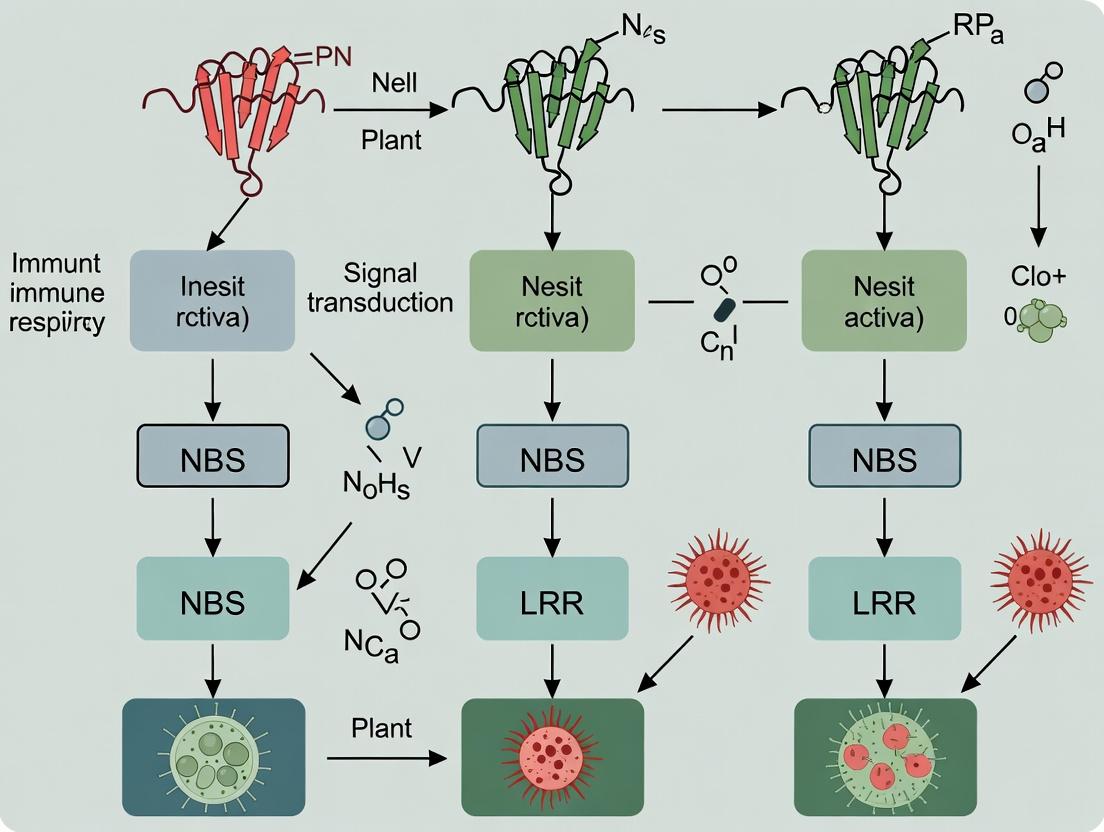
This article provides a comprehensive exploration of Nucleotide-Binding Site Leucine-Rich Repeat (NBS-LRR) genes as central players in disease resistance within medicinal plants.
Guardians of Green Medicine: How NBS-LRR Genes Drive Disease Resistance in Medicinal Plants
Abstract
This article provides a comprehensive exploration of Nucleotide-Binding Site Leucine-Rich Repeat (NBS-LRR) genes as central players in disease resistance within medicinal plants. Targeting researchers, scientists, and drug development professionals, it systematically examines the foundational biology and diversity of NBS-LRR genes, details modern methodologies for their discovery and functional validation, addresses key challenges in characterization and heterologous expression, and evaluates their efficacy compared to other resistance mechanisms. The review synthesizes current knowledge, highlighting the untapped potential of these plant immune receptors for developing novel therapeutics and enhancing crop resilience.
Decoding the Plant Immune Arsenal: The Biology and Diversity of NBS-LRR Genes in Medicinal Species
Within the context of a broader thesis on disease resistance in medicinal plants, understanding NBS-LRR (Nucleotide-Binding Site Leucine-Rich Repeat) proteins is fundamental. These proteins constitute the largest class of plant disease resistance (R) genes, serving as intracellular immune receptors that detect pathogen effector molecules and initiate robust defense responses. In medicinal plants, where bioactive metabolite production can be intricately linked to stress responses, elucidating the structure and function of NBS-LRR genes is critical for enhancing resilience, ensuring sustainable cultivation, and potentially guiding the discovery of novel immune-modulatory compounds for drug development.
Core Structure and Domain Architecture
NBS-LRR proteins are modular, typically composed of three core domains: a variable N-terminal domain, a central Nucleotide-Binding Site (NBS) domain, and a C-terminal Leucine-Rich Repeat (LRR) domain.
Table 1: Core Domains of NBS-LRR Proteins
| Domain | Key Features | Proposed Function |
|---|---|---|
| N-terminal | Two major types: TIR (Toll/Interleukin-1 Receptor) or CC (Coiled-Coil). | Mediates downstream signaling interactions; TIR domains possess enzymatic (NADase) activity. |
| Central NBS | Contains conserved motifs (P-loop, RNBS-A/B/C/D, GLPL, MHD). | Acts as a molecular switch; binds and hydrolyzes ATP/ADP; regulates activation state. |
| C-terminal LRR | Variable number of repeating units (typically 20-30). | Primary effector recognition domain; also involved in autoinhibition and intra-molecular interactions. |
Classification and Phylogeny
NBS-LRR proteins are primarily classified based on their N-terminal domain and phylogenetic analysis of the conserved NBS region.
Table 2: Classification of NBS-LRR Proteins
| Class | N-terminal | Signal Transduction | Key Phylogenetic Clades (e.g., in Arabidopsis) | Prevalence in Medicinal Plants* |
|---|---|---|---|---|
| TNL | TIR domain | Often requires EDS1-PAD4/SAG101 complex | TNL-A, TNL-B | Common in eudicots (e.g., Salvia miltiorrhiza) |
| CNL | Coiled-Coil (CC) domain | Often requires NRG1 and NDR1 helpers | CNL-A through CNL-D | Ubiquitous across angiosperms |
| RNL | RPW8-like CC | Acts as helper NBS-LRR for sensor TNLs/CNLs | ADR1, NRG1 | Conserved across diverse species |
Based on recent genomic surveys (e.g., in *Panax ginseng, Artemisia annua).
Title: NBS-LRR Classification and Signaling Helper Roles
Activation Mechanisms: From Effector Perception to Immune Response
The prevailing model for NBS-LRR activation is the "direct-indirect recognition" and "guard" hypothesis.
4.1 Direct vs. Indirect Recognition
- Direct Recognition: The LRR domain physically binds to the pathogen effector. This often leads to a conformational change.
- Indirect Recognition (Guard Hypothesis): The NBS-LRR protein "guards" a host protein (the "guardee") that is modified by the pathogen effector. Effector modification alters the guardee, which is detected by the NBS-LRR.
4.2 The Conformational Change and Signaling Cascade Upon effector perception, a conformational shift releases autoinhibition, allowing the NBS domain to exchange ADP for ATP. This active state promotes oligomerization (often into a resistosome) and exposure of the N-terminal domain to initiate signaling.
Title: NBS-LRR Activation and Signaling Cascade
Key Experimental Protocols for Functional Characterization
5.1 Gene Identification and Phylogenetic Analysis
- Protocol: Genomic DNA/RNA extraction from medicinal plant tissue → PCR with degenerate primers for NBS domain OR genome/transcriptome sequencing → Identification of NBS-LRR sequences via BLAST against R gene databases (e.g., PRGdb) → Multiple sequence alignment (ClustalW, MAFFT) → Phylogenetic tree construction (MEGA, MrBayes).
- Key Reagents: Degenerate primers (e.g., targeting P-loop & GLPL motifs), RNeasy/Mini kit, Hi-Fi DNA polymerase, TA/TOPO cloning vectors.
5.2 Subcellular Localization
- Protocol: Full-length or domain-specific NBS-LRR coding sequence fused to GFP/RFP in expression vector (e.g., pCAMBIA1302) → Agrobacterium-mediated transient transformation in Nicotiana benthamiana leaves or plant protoplasts → Confocal microscopy imaging after 24-48h.
- Key Reagents: GFP/RFP fusion vectors, Agrobacterium tumefaciens strain GV3101, Acetosyringone, MS medium.
5.3 Functional Validation via Transient Assays
- Protocol:
- Effector Recognition: Co-express candidate NBS-LRR with putative pathogen effector in N. benthamiana via agroinfiltration.
- Hypersensitive Response (HR) Assay: Visually monitor and document cell death (collapsed tissue) at infiltration sites over 3-7 days. Quantify using electrolyte leakage assay.
- Gene Silencing: Use Virus-Induced Gene Silencing (VIGS) of the NBS-LRR candidate to abrogate resistance.
- Key Reagents: Binary vectors (pBin19, pGR106 for VIGS), Syringe/needleless syringe, Conductivity meter.
5.4 Protein-Protein Interaction Studies
- Protocol:
- Yeast Two-Hybrid (Y2H): Clone NBS-LRR (as bait) and guardee/effector (as prey) into pGBKT7 and pGADT7 vectors. Co-transform into yeast strain AH109. Assess interaction on selective media (-Leu/-Trp/-His/-Ade).
- Co-Immunoprecipitation (Co-IP): Co-express tagged NBS-LRR and interaction partner in N. benthamiana. Extract total protein, immunoprecipitate with tag-specific antibody (e.g., anti-GFP), and detect co-precipitated protein via western blot.
- Key Reagents: Y2H vectors and yeast strains, Anti-GFP/HA/Myc antibodies, Protein A/G agarose beads, Complete protease inhibitor cocktail.
The Scientist's Toolkit: Essential Research Reagents
Table 3: Key Research Reagent Solutions for NBS-LRR Studies
| Reagent / Material | Function & Application |
|---|---|
| Degenerate PCR Primers | Amplify conserved NBS domains from uncharacterized plant genomes for initial gene discovery. |
| Gateway/TOPO Cloning Kits | Facilitate rapid, high-efficiency cloning of NBS-LRR gene variants into multiple expression vectors. |
| pCAMBIA/pGreen Binary Vectors | Plant transformation vectors for stable or transient expression, often with fluorescent tags (GFP, YFP). |
| Agrobacterium tumefaciens GV3101 | Standard strain for transient expression in N. benthamiana (agroinfiltration) and stable plant transformation. |
| Anti-GFP/HA/FLAG Antibodies | For detecting tagged NBS-LRR fusion proteins in western blot, Co-IP, and subcellular localization studies. |
| VIGS Vectors (e.g., TRV-based pGR106) | For rapid, transient knockdown of NBS-LRR gene expression to assess loss-of-function phenotypes. |
| Luciferase/β-Glucuronidase (GUS) Reporters | Quantify immune signaling output by linking defense gene promoters to reporter enzymes. |
| Protease/Phosphatase Inhibitor Cocktails | Preserve post-translational modification states and prevent degradation during protein extraction from plant tissues. |
Within the genomes of medicinal plants lies a vast, underexplored reservoir of genetic determinants for specialized metabolism and disease resistance. This whitepaper delves into the core genomic architecture, focusing on the Nucleotide-Binding Site Leucine-Rich Repeat (NBS-LRR) gene family. We examine their distribution patterns, evolutionary trajectories, and lineage-specific expansions, linking these features to the unique phytochemical profiles and resilience of medicinal species. This synthesis provides a technical framework for researchers aiming to harness these genomic treasures for drug discovery and crop enhancement.
Medicinal plants have evolved sophisticated defense mechanisms, often intertwining pathogen resistance with the biosynthesis of bioactive compounds. The NBS-LRR gene family forms the cornerstone of the plant innate immune system, encoding intracellular receptors that recognize pathogen effectors and trigger hypersensitive responses. In medicinal plants, the evolution and expansion of these genes are of particular interest, as selective pressures may have shaped both resistance and metabolic pathways. Understanding their genomic distribution and evolution is critical for elucidating the genetic basis of plant vigor and therapeutic compound production.
Distribution and Genomic Organization of NBS-LRR Genes
NBS-LRR genes are non-randomly distributed in plant genomes, often residing in dynamic, complex clusters that facilitate rapid evolution through recombination and duplication.
Table 1: NBS-LRR Gene Distribution in Selected Medicinal Plant Genomes
| Plant Species (Common Name) | Genome Size (Gb) | Total NBS-LRR Genes | NBS-LRR Clusters | % of Genome in Clusters | Key Reference |
|---|---|---|---|---|---|
| Salvia miltiorrhiza (Danshen) | 0.64 | ~120 | 15 | ~1.8% | Zhang et al., 2023 |
| Catharanthus roseus (Madagascar Periwinkle) | ~1.8 | ~180 | 22 | ~2.1% | Caputi et al., 2022 |
| Panax ginseng (Ginseng) | ~3.5 | ~450 | 65 | ~3.5% | Kim et al., 2024 |
| Artemisia annua (Sweet Wormwood) | 1.74 | ~95 | 12 | ~1.2% | Wang et al., 2023 |
| Cannabis sativa (Hemp) | ~0.82 | ~135 | 18 | ~2.0% | Gao et al., 2023 |
Evolutionary Dynamics and Lineage-Specific Expansion
NBS-LRR genes evolve primarily through tandem duplications, non-homologous recombination, and birth-and-death evolution. Lineage-specific expansions (LSEs) are pronounced in medicinal plants, often correlated with ecological adaptation and biotic stress history.
Table 2: Evolutionary Metrics of NBS-LRR Subfamilies in Medicinal Plants
| Species | Predominant NBS-LRR Type (TNL/CNL) | Estimated Expansion Event (MYA) | Selection Pressure (ω = dN/dS) | Genes under Positive Selection |
|---|---|---|---|---|
| S. miltiorrhiza | CNL | 15-20 | 0.25-0.40 | ~18% |
| C. roseus | TNL | 25-30 | 0.30-0.45 | ~22% |
| P. ginseng | CNL | 40-50 (Polyploidization) | 0.20-0.35 | ~15% |
| A. annua | TNL | 10-15 | 0.35-0.55 | ~28% |
Protocol: Phylogenetic Analysis and Positive Selection Detection
Objective: To reconstruct the evolutionary history of NBS-LRR genes and identify sites under positive selection.
Methodology:
- Gene Retrieval: Identify NBS-LRR genes from target genomes using HMMER (Pfam models: NB-ARC, PF00931; LRR, PF00560, PF07723, PF07725, PF12799, PF13306, PF13516, PF13855).
- Multiple Sequence Alignment: Use MAFFT v7 or MUSCLE for alignment. Trim poorly aligned regions with Gblocks or TrimAl.
- Phylogenetic Tree Construction: Build maximum-likelihood trees using IQ-TREE 2 with best-fit model selection (e.g., JTT+G+I) and 1000 ultrafast bootstrap replicates.
- Selection Analysis: Use the CodeML program in the PAML package. Fit site-specific models (M7 vs. M8) to test for positive selection. Calculate ω (dN/dS) ratios. Identify positively selected sites with Bayes Empirical Bayes (BEB) posterior probability > 0.95.
- Lineage-Specific Analysis: Use branch-site models (e.g., BS-REL in HyPhy) to detect positive selection on specific phylogenetic branches associated with medicinal lineages.
Functional Linkage to Disease Resistance and Metabolic Pathways
The activation of NBS-LRR receptors initiates complex signaling cascades leading to defense responses, which often involve the transcriptional upregulation of genes in specialized metabolic pathways (e.g., terpenoid, alkaloid, phenylpropanoid biosynthesis).
Table 3: Documented Links Between NBS-LRRs and Metabolite Production
| Medicinal Plant | NBS-LRR Gene/Locus | Pathogen Effector Recognized | Induced Defense Metabolite | Reference |
|---|---|---|---|---|
| C. roseus | CrRPF1 (TNL) | Phytophthora spp. | Strictosidine (precursor to vindoline) | Liu et al., 2022 |
| S. miltiorrhiza | SmCNL1 | Ralstonia solanacearum | Rosmarinic Acid, Tanshinones | Li et al., 2023 |
| A. annua | AaTNL2 | Blumeria graminis | Artemisinin | Chen et al., 2024 |
The Scientist's Toolkit: Research Reagent Solutions
Table 4: Essential Reagents and Materials for NBS-LRR Gene Research
| Item | Function in Research | Example Product/Catalog |
|---|---|---|
| Plant Genomic DNA Isolation Kit | High-quality, high-molecular-weight DNA for genome sequencing and PCR. | DNeasy Plant Pro Kit (Qiagen), NucleoSpin Plant II (Macherey-Nagel) |
| NBS-LRR Domain-Specific HMM Profiles | For in silico identification of NBS-LRR genes from genomic data. | PF00931 (NB-ARC), PF00560 (LRR_1) from Pfam database. |
| Reverse Transcription & cDNA Synthesis Kit | Converts mRNA to cDNA for expression analysis of NBS-LRR genes. | SuperScript IV First-Strand Synthesis System (Thermo Fisher). |
| qPCR Master Mix (SYBR Green) | Quantifies relative expression levels of NBS-LRR genes upon pathogen challenge. | PowerUp SYBR Green Master Mix (Applied Biosystems). |
| CRISPR-Cas9 Plant Editing System | For functional validation via knockout or knock-in of target NBS-LRR genes. | Alt-R CRISPR-Cas9 System (IDT) with plant-specific delivery vectors. |
| Recombinant Pathogen Effector Proteins | Used to assay specific recognition by NBS-LRR proteins in vitro or in planta. | Custom recombinant protein production services (e.g., GenScript). |
| Phytohormone Analysis Kit (SA, JA) | Measures salicylic acid and jasmonic acid levels to delineate defense signaling pathways. | Salicylic Acid (SA) ELISA Kit, Jasmonic Acid (JA) ELISA Kit (MyBioSource). |
| LC-MS/MS System | Identifies and quantifies induced specialized metabolites linked to NBS-LRR activation. | Agilent 6495C Triple Quadrupole LC/MS, Sciex QTRAP systems. |
Experimental Protocol: Functional Validation via VIGS (Virus-Induced Gene Silencing)
Objective: To rapidly assess the function of a candidate NBS-LRR gene in plant disease resistance.
Detailed Methodology:
- Target Fragment Cloning: Amplify a 200-400 bp gene-specific fragment from the candidate NBS-LRR cDNA using PCR with attB-site-containing primers. Clone the fragment into the pDONR/Zeo entry vector using BP Clonase II (Thermo Fisher). Perform LR recombination into a Tobacco rattle virus (TRV)-based VIGS destination vector (e.g., pTRV2).
- Agrobacterium Strain Transformation: Transform the recombinant pTRV1 and pTRV2-NBS-LRR constructs into Agrobacterium tumefaciens strain GV3101.
- Plant Infiltration: Grow medicinal plant seedlings (e.g., S. miltiorrhiza) to the 4-6 leaf stage. Inoculate Agrobacterium cultures (OD600=1.0) in infiltration buffer (10 mM MES, 10 mM MgCl2, 200 µM acetosyringone). Mix pTRV1 and pTRV2-NBS-LRR cultures 1:1. Pressure-infiltrate the abaxial side of leaves using a needleless syringe.
- Silencing Confirmation: After 3-4 weeks, harvest tissue from systemic leaves. Extract total RNA, synthesize cDNA, and perform RT-qPCR using gene-specific primers to confirm knockdown efficiency (>70% reduction).
- Phenotypic Assay: Challenge silenced and control (TRV-empty) plants with the relevant pathogen (e.g., Ralstonia solanacearum via root drenching). Monitor disease symptoms (wilting, lesion size) over 7-14 days. Quantify pathogen biomass using qPCR with pathogen-specific primers. Harvest tissue for targeted LC-MS analysis of associated defense metabolites.
Nucleotide-binding site leucine-rich repeat (NBS-LRR) proteins constitute the largest family of intracellular immune receptors in plants. They play a pivotal role in the innate immune system by directly or indirectly recognizing pathogen-derived effector molecules, initiating a robust defense response. Within the context of medicinal plants, NBS-LRR genes represent a critical genetic resource. The unique phytochemical profiles of medicinal species, shaped by evolutionary pressures, are often linked to their defense systems. Research into NBS-LRR-mediated immunity in these plants, such as Salvia miltiorrhiza (Danshen), Panax ginseng, and Artemisia annua, not only elucidates fundamental disease resistance mechanisms but also opens avenues for enhancing the yield and quality of bioactive compounds by engineering resilience against pathogens. This whitepaper details the molecular basis of this immunity, from pathogen detection to signal transduction.
Molecular Architecture and Classification of NBS-LRR Proteins
NBS-LRR proteins are modular, typically comprising an N-terminal domain, a central nucleotide-binding adaptor shared by APAF-1, R proteins, and CED-4 (NB-ARC) domain, and a C-terminal leucine-rich repeat (LRR) domain.
- N-terminal Domain: Can be a Toll/interleukin-1 receptor (TIR) domain or a coiled-coil (CC) domain, defining the two major subclasses: TNLs and CNLs. A third, less common subclass (RNLs) acts as helper proteins.
- NB-ARC Domain: A conserved molecular switch that alternates between ADP-bound (inactive) and ATP-bound (active) states, regulating protein activity.
- LRR Domain: Involved in effector recognition and autoinhibition. Its variable sequences determine specificity.
Table 1: Classification and Characteristics of Major NBS-LRR Subfamilies
| Subfamily | N-terminal Domain | Key Structural Features | Example in Medicinal Plants | Common Signaling Partners |
|---|---|---|---|---|
| TNL | TIR | Triggers defense via EDS1-PAD4/ SAG101 complexes | S. miltiorrhiza TNLs | EDS1, PAD4, SAG101, NRG1, ADR1 |
| CNL | Coiled-Coil (CC) | Often requires NDRI for full function | P. ginseng R genes | NDR1, EDS1 (some cases), RPM1-Interacting Protein 4 (RIN4) |
| RNL (Helper) | RPW8-like CC | Non-recognition, signal amplification | NRG1, ADR1 | EDS1 dimers, downstream calcium channels |
The Detection Paradigm: Direct vs. Indirect Recognition
NBS-LRR proteins surveil the intracellular environment using two primary mechanistic models:
- Direct Recognition: The NBS-LRR protein physically binds to a specific pathogen effector via its LRR or other domains. This is a gene-for-gene interaction.
- Indirect Recognition (Guard/Decoy Model): The NBS-LRR protein guards a host "guardee" protein that is modified by the effector. Effector perturbation of the guardee triggers activation. Alternatively, the host employs a "decoy" protein that mimics the real effector target but whose sole function is to trigger NBS-LRR activation upon effector interaction.
Activation and Downstream Signaling Cascades
Upon effector perception, the NBS-LRR protein undergoes a conformational change, exchanging ADP for ATP at the NB-ARC domain. This releases autoinhibition and enables the assembly of a functional resistosome.
- CNL Resistosome: Activated CNLs, such as the ZAR1 resistosome, oligomerize into a wheel-like structure with a calcium-permeable pore in the plasma membrane. This induces calcium influx, a key secondary messenger.
- TNL Resistosome: Activated TNLs oligomerize and often utilize the NADase activity of their TIR domain to generate signaling molecules (e.g., cyclic ADP-ribose isomers). These molecules are perceived by the executor RNLs (NRG1, ADR1), which also form calcium-channeling resistosomes.
The calcium influx triggers a phosphorylation cascade involving mitogen-activated protein kinases (MAPKs) and calcium-dependent protein kinases (CDPKs). This leads to the transcriptional reprogramming orchestrated by key transcription factors (WRKY, TGA, MYB), resulting in the Hypersensitive Response (HR) and Systemic Acquired Resistance (SAR).
Diagram 1: Core NBS-LRR Activation and Signaling Pathways
Quantitative Data on NBS-LRR Genes in Selected Medicinal Plants
Recent genome sequencing projects have revealed the diversity and copy number variation of NBS-LRR genes across medicinal species.
Table 2: NBS-LRR Gene Inventory in Key Medicinal Plant Genomes
| Medicinal Plant | Approx. NBS-LRR Count | TNL:CNL Ratio | Notable Expansion/Cluster | Reference (Year) |
|---|---|---|---|---|
| Salvia miltiorrhiza (Danshen) | ~120 | 1:2.5 | TNL expansion on chr8 | Xu et al. (2023) |
| Panax ginseng (Asian Ginseng) | ~450 | 1:1.2 | Large clusters on multiple chr | Kim et al. (2022) |
| Artemisia annua (Sweet Wormwood) | ~85 | 1:3.3 | Dispersed distribution | Wang et al. (2023) |
| Catharanthus roseus (Madagascar Periwinkle) | ~180 | 1:1.8 | RNL helper expansion | Singh et al. (2024) |
| Glycyrrhiza uralensis (Licorice) | ~200 | 1:2.0 | Chr5 mega-cluster | Cheng et al. (2023) |
Key Experimental Protocols in NBS-LRR Research
Protocol 1: Identification and Phylogenetic Analysis of NBS-LRR Genes from Genome Data.
- Data Retrieval: Download the genome assembly and annotation (GFF3) files for the target medicinal plant from databases (NCBI, Phytozome).
- HMMER Search: Use HMMER (v3.3) with Pfam profiles (NB-ARC: PF00931, TIR: PF01582, LRR: PF00560, RPW8: PF05659) to scan the proteome. Command:
hmmsearch --domtblout output.txt pfam_profile.hmm proteome.fasta. - Domain Validation: Filter hits using tools like SMART or InterProScan to confirm domain architecture.
- Phylogenetic Tree Construction: Align NB-ARC domain sequences using MAFFT. Build a maximum-likelihood tree with IQ-TREE (model selection: ModelFinder). Visualize with iTOL.
Protocol 2: Functional Validation via Transient Expression in Nicotiana benthamiana.
- Cloning: Clone the full-length coding sequence of the candidate NBS-LRR gene into a binary vector (e.g., pEAQ-HT, pBIN-GFP) under a strong promoter (35S).
- Agrobacterium Transformation: Transform the construct into Agrobacterium tumefaciens strain GV3101.
- Infiltration: Grow N. benthamiana for 4-5 weeks. Resuspend Agrobacterium cultures (OD600=0.5) in infiltration buffer (10 mM MES, 10 mM MgCl2, 150 µM Acetosyringone). Co-infilitrate with a known avirulent effector or a reporter construct (e.g., GUS, Luciferase).
- Phenotyping: Monitor for HR (localized cell death) within 24-72 hours. Quantify using electrolyte leakage assays or trypan blue staining. Measure reporter activity.
Protocol 3: Protein-Protein Interaction Assay (Co-Immunoprecipitation, Co-IP).
- Construct Design: Fuse the NBS-LRR and candidate interacting protein (guardee/helper) with different tags (e.g., GFP, HA, FLAG) in expression vectors.
- Transient Expression: Co-express the tagged constructs in N. benthamiana leaves via agroinfiltration.
- Protein Extraction: At 48-72 hours post-infiltration, grind leaf tissue in liquid N2. Homogenize in extraction buffer (50 mM Tris-HCl pH7.5, 150 mM NaCl, 10% Glycerol, 0.5% NP-40, 1x protease inhibitor cocktail).
- Immunoprecipitation: Incubate clarified lysate with anti-tag antibody conjugated beads (e.g., anti-GFP nanobody beads). Wash beads thoroughly.
- Detection: Elute proteins and analyze by Western blot using antibodies against both tags.
Research Reagent Solutions Toolkit
Table 3: Essential Reagents for NBS-LRR Immunity Research
| Reagent / Material | Supplier Examples | Function in Research |
|---|---|---|
| pEAQ-HT Expression Vector | Addgene, in-house | High-level transient protein expression in plants via agroinfiltration. |
| Gateway Cloning Kits | Thermo Fisher Scientific | Facilitates rapid recombination-based cloning of NBS-LRR CDSs into multiple vectors. |
| Agrobacterium strain GV3101 | CICC, ABRC | Standard disarmed strain for transient transformation of N. benthamiana. |
| Anti-GFP/HA/FLAG Magnetic Beads | ChromoTek, Sigma-Aldrich | For tag-based Co-Immunoprecipitation of protein complexes. |
| Anti-ZAR1 / Anti-RPM1 / Anti-EDS1 Antibodies | Agrisera, PhytoAB | Specific antibodies for detecting endogenous or expressed NBS-LRR pathway components. |
| Fluorescent Calcium Indicators (e.g., R-GECO1) | Addgene, Invitrogen | Genetically encoded sensors for live imaging of Ca2+ flux during resistosome activation. |
| NAD/ADP-ribose Assay Kits | Biovision, Cayman Chemical | Measures TIR domain NADase activity in vitro or in plant extracts. |
| MAPK Activity Assay Kits | Cell Signaling Technology | Quantifies phosphorylation levels of downstream MAPKs (e.g., MPK3/6). |
| Phusion High-Fidelity DNA Polymerase | NEB, Thermo Fisher | High-fidelity PCR for amplifying NBS-LRR genes with complex GC-rich structures. |
| Next-Generation Sequencing (NGS) Services | Illumina, BGI | For whole genome sequencing, RNA-seq of infected tissues, and RenSeq for NBS-LRR enrichment. |
Diagram 2: Key Experimental Workflow for NBS-LRR Gene Characterization
This technical guide examines NBS-LRR (Nucleotide-Binding Site Leucine-Rich Repeat) gene families in three model medicinal genera—Salvia (sage), Artemisia (wormwood), and Panax (ginseng). Within the broader thesis of leveraging plant innate immune genetics for drug discovery and crop improvement, this document details how these non-model medicinal plants serve as rich reservoirs for novel NBS-LRR genes. These genes underpin disease resistance, potentially influence the biosynthesis of secondary metabolites, and offer targets for genetic engineering and therapeutic development.
NBS-LRR genes constitute the largest class of plant disease resistance (R) genes. They function as intracellular immune receptors that directly or indirectly recognize pathogen effector proteins, triggering a robust defense response (Effector-Triggered Immunity, ETI). They are classified into two major subfamilies based on their N-terminal domains: TIR-NBS-LRR (TNL) and CC-NBS-LRR (CNL). Recent phylogenomic analyses reveal lineage-specific expansions and contractions of these families, which correlate with plant lifestyle and pathogen pressure.
Case Study Analysis and Comparative Data
Table 1: Comparative Genomic and Expression Profile of NBS-LRR Families in Medicinal Model Systems
| Feature / Genus | Salvia miltiorrhiza (Danshen) | Artemisia annua (Sweet Wormwood) | Panax ginseng (Asian Ginseng) |
|---|---|---|---|
| Total NBS-LRR Genes (Estimated) | ~120 | ~70 | >400 |
| TNL:CNL Ratio | ~1:2 | ~1:4 | ~1:1 |
| Key Expansion Event | TNL family | CNL family | Both families, esp. PgTNL |
| Association with Metabolite | Tanshinones (e.g., SmTNL1) | Artemisinin (regulatory link) | Ginsenosides (co-expression) |
| Highlighted Gene(s) | SmTNL1, SmCNL4 | AaCNL1, AaTNL2 | PgTNL3, PgCNL8 cluster |
| Response to Pathogen | Ralstonia solanacearum | Blumeria graminis | Alternaria panax, Pythium spp. |
| Experimental Validation | VIGS knockdown → susceptibility | Overexpression → enhanced resistance | CRISPR/Cas9 knockout → susceptibility |
Table 2: Summary of Key Experimental Protocols Cited
| Protocol Name | Objective | Key Steps | Reference Organism |
|---|---|---|---|
| NBS-LRR Identification & Phylogeny | Identify and classify NBS-LRR genes from genome assemblies. | 1. HMMER search with NB-ARC domain (PF00931).2. Domain validation (NCBI CDD, SMART).3. Phylogenetic tree construction (MEGA, ML method).4. Chromosomal location mapping (MCScanX). | P. ginseng |
| Expression Profiling via qRT-PCR | Quantify NBS-LRR expression post-pathogen challenge. | 1. Total RNA extraction from treated/control tissues.2. cDNA synthesis.3. Primer design for target NBS-LRRs & reference genes.4. SYBR Green-based qPCR, analyze via 2^−ΔΔCT method. | S. miltiorrhiza |
| Functional Validation by VIGS | Assess gene function through transient silencing. | 1. Clone ~300bp fragment into TRV2 vector.2. Transform Agrobacterium tumefaciens.3. Infiltrate young leaves.4. Challenge with pathogen after silencing.5. Assess disease phenotype and pathogen load. | A. annua |
| Co-expression Network Analysis | Link NBS-LRR genes to metabolic pathways. | 1. Generate RNA-seq data from multiple conditions/tissues.2. Calculate pairwise correlation (e.g., WGCNA).3. Construct network, identify modules.4. Overlay with metabolite profiling data. | P. ginseng |
The Scientist's Toolkit: Research Reagent Solutions
| Item/Category | Function/Application in NBS-LRR Research |
|---|---|
| NB-ARC Domain HMM Profile (PF00931) | Hidden Markov Model for bioinformatic identification of core NBS domains in novel sequences. |
| pTRV1/pTRV2 VIGS Vectors | Tobacco rattle virus-based vectors for rapid, transient silencing of target NBS-LRR genes in planta. |
| Pathogen-Elicitor Preparations (e.g., Fig22, chitin, crude mycella extracts) | Used to challenge plants and induce NBS-LRR-mediated defense signaling for expression studies. |
| Anti-HA/Myc/FLAG Tag Antibodies | For detecting epitope-tagged NBS-LRR proteins in localization, co-IP, or protein stability assays. |
| Recombinant Avr/R Proteins | Purified pathogen effector (Avr) and corresponding R protein (NBS-LRR) for in vitro interaction assays. |
| Dual-Luciferase Reporter Assay Kit | Quantifies NBS-LRR-induced activation of downstream defense gene promoters (e.g., PR1). |
| Genome-Specific CRISPR/Cas9 Kit | For targeted knockout of NBS-LRR genes to confirm function in non-model medicinal plants. |
| Methyl Jasmonate (MeJA) / Salicylic Acid (SA) | Phytohormone treatments to dissect NBS-LRR signaling pathways (SA often linked to TNL/CNL output). |
Visualized Pathways and Workflows
Title: NBS-LRR-Mediated Defense and Metabolic Link
Title: NBS-LRR Research Workflow in Medicinal Plants
From Genome to Phenotype: Cutting-Edge Methods for Mining and Validating NBS-LRR Function
Within the broader thesis exploring NBS-LRR (Nucleotide-Binding Site Leucine-Rich Repeat) genes in medicinal plants and their role in disease resistance, this guide details the computational pipelines essential for their identification. The integration of Whole Genome Sequencing (WGS) and Transcriptomic data provides a comprehensive strategy to catalog, annotate, and characterize these crucial resistance (R) genes. Accurate identification is the foundational step for downstream research in plant immunology and the development of novel therapeutic or agricultural solutions derived from medicinal plant defense mechanisms.
Core Methodologies and Experimental Protocols
Whole Genome Sequencing-Based Identification Pipeline
This protocol uses a de novo or reference-based genome assembly to identify NBS-LRR domains.
Protocol:
- Genome Assembly & Quality Control:
- Perform WGS (e.g., Illumina NovaSeq, PacBio HiFi) to generate raw reads.
- Assemble reads using assemblers like
SPAdes(for Illumina) orFlye(for long reads). UseBUSCOto assess assembly completeness against the embryophyta_odb10 dataset. - Polish the assembly if necessary using
Pilon.
- Gene Prediction & Annotation:
- Use ab initio gene predictors (e.g.,
BRAKER2orAUGUSTUS) trained with transcriptomic evidence or related species to predict gene models. - Functionally annotate predicted proteins using tools like
InterProScanagainst databases (Pfam, SMART, SUPERFAMILY).
- Use ab initio gene predictors (e.g.,
- NBS-LRR Domain Identification:
- Extract all predicted protein sequences.
- Perform HMMER (
hmmscan) searches against the Pfam profiles for NBS domains (e.g., PF00931, NB-ARC) and LRR domains (e.g., PF00560, PF07723, PF07725, PF12799, PF13306, PF13855, PF14580). - Classify candidate genes into TNL (TIR-NBS-LRR) and CNL (CC-NBS-LRR) types based on the presence of additional domain profiles (e.g., PF01582 for TIR, PF05729 for CC).
Transcriptome-Based Identification and Expression Validation
This protocol uses RNA-Seq data to identify expressed NBS-LRRs and validate their induction during pathogen challenge.
Protocol:
- Transcriptome Assembly:
- Isolate RNA from control and pathogen-treated tissues of the medicinal plant. Prepare and sequence libraries (e.g., Illumina).
- Trim adapters and low-quality bases with
Trimmomatic. - Assemble clean reads de novo using
Trinityor map to a reference genome (if available) usingHISAT2/STARand assemble transcripts withStringTie.
- Identification of Expressed NBS-LRRs:
- Translate assembled transcripts to proteins (
TransDecoder). - Perform HMMER searches as in Section 2.1.
- Translate assembled transcripts to proteins (
- Differential Expression Analysis:
- Estimate transcript abundance (e.g., using
SalmonorfeatureCounts). - Perform differential expression analysis between treatment and control groups using
DESeq2oredgeR. - Identify significantly upregulated NBS-LRR candidate genes post-infection.
- Estimate transcript abundance (e.g., using
Integrated Pipeline for Comprehensive Cataloging
The most robust approach combines WGS and transcriptomic data.
Diagram Title: Integrated WGS & RNA-Seq Pipeline for NBS-LRR Discovery
Key Data and Comparative Analysis
Table 1: Representative Pfam HMM Profiles for NBS-LRR Identification
| Domain Type | Pfam ID | Domain Name | Typical E-value Threshold | Primary Classification |
|---|---|---|---|---|
| Nucleotide Binding | PF00931 | NB-ARC | < 1e-10 | Core NBS Domain |
| Leucine Rich Repeat | PF00560 | LRR_1 | < 1e-5 | LRR Region |
| Leucine Rich Repeat | PF07723 | LRR_6 | < 1e-5 | LRR Region |
| Leucine Rich Repeat | PF12799 | LRR_8 | < 1e-5 | LRR Region |
| N-terminal Signaling | PF01582 | TIR | < 1e-10 | TNL Subclass |
| N-terminal Signaling | PF05729 | AAA | < 1e-5 | CNL Subclass (CC-like) |
| Coiled-coil (Heuristic) | - | - | - | CNL Subclass |
Table 2: Typical Bioinformatics Tools and Their Functions in the Pipeline
| Pipeline Stage | Tool | Primary Function | Key Parameter |
|---|---|---|---|
| Genome Assembly | SPAdes / Flye | De novo assembly of short/long reads | --careful (SPAdes) |
| Gene Prediction | BRAKER2 | Integrative gene prediction using RNA-Seq | --species=your_species |
| Domain Search | HMMER (hmmscan) | Profile HMM search for protein domains | --domtblout, -E 1e-5 |
| Transcriptome Assembly | Trinity | De novo RNA-Seq assembly | --seqType fq --max_memory |
| Read Mapping | HISAT2 | Splice-aware alignment of RNA-Seq reads | --dta for StringTie |
| Expression Quantification | featureCounts | Assign reads to genomic features | -t exon -g gene_id |
| Differential Expression | DESeq2 | Statistical analysis of expression changes | Design: ~ condition |
The Scientist's Toolkit: Research Reagent Solutions
Table 3: Essential Research Reagents and Materials for NBS-LRR Studies
| Item | Function/Application |
|---|---|
| Plant Material: Tissue from target medicinal plant species (e.g., Salvia miltiorrhiza, Artemisia annua). | Source of genomic DNA and RNA for WGS and transcriptomics under control and pathogen-stressed conditions. |
| Pathogen/Elicitor: Cultured isolate of a relevant bacterial/fungal pathogen or purified elicitors (e.g., flg22). | Used to induce defense responses and trigger NBS-LRR gene expression for comparative transcriptomics. |
| High-Quality DNA Extraction Kit (e.g., CTAB-based or commercial kits like DNeasy Plant Pro). | To obtain high-molecular-weight, pure genomic DNA suitable for long-read and short-read WGS library preparation. |
| Total RNA Extraction Kit (e.g., TRIzol-based or RNeasy Plant Mini Kit). | To obtain intact, DNA-free RNA for transcriptome sequencing, ensuring accurate representation of expressed genes. |
| Strand-Specific RNA-Seq Library Prep Kit (e.g., Illumina TruSeq Stranded mRNA). | Prepares cDNA libraries that preserve strand information, crucial for accurate transcript assembly and annotation. |
| Reference Databases: Pfam, SMART, UniProtKB/Swiss-Prot, NCBI NR. | Curated protein family and sequence databases for functional annotation and domain identification via HMMER/BLAST. |
| Positive Control Sequences: Known NBS-LRR protein sequences from model plants (e.g., Arabidopsis thaliana). | Used to validate and optimize HMMER search parameters and pipeline sensitivity. |
Within the context of elucidating the role of Nucleotide-Binding Site Leucine-Rich Repeat (NBS-LRR) genes in medicinal plant disease resistance, functional characterization is paramount. These genes constitute the largest class of plant disease resistance (R) genes. Determining their specific functions, signaling pathways, and interactions with pathogen effectors requires robust, complementary techniques. This whitepaper provides an in-depth technical guide to three cornerstone methodologies: Virus-Induced Gene Silencing (VIGS), CRISPR-Cas9 knockouts, and heterologous expression in model systems. The integration of these approaches accelerates the validation of NBS-LRR gene candidates identified from medicinal plant genomes, informing downstream drug discovery and plant engineering strategies.
Virus-Induced Gene Silencing (VIGS)
VIGS is a rapid, transient, and versatile reverse-genetics tool for post-transcriptional gene silencing, widely used for assessing gene function in planta without generating stable transformants.
Core Principles and Application to NBS-LRR Genes
VIGS utilizes modified viral vectors to deliver host-derived gene fragments, triggering RNA interference (RNAi) and targeted degradation of homologous mRNA. For NBS-LRR characterization, VIGS can silence candidate genes in medicinal plants or surrogate model plants (e.g., Nicotiana benthamiana) to observe resulting changes in pathogen response, often a loss of resistance.
Detailed Experimental Protocol: TRV-Based VIGS inN. benthamiana
Objective: To silence a putative NBS-LRR gene from a medicinal plant (e.g., Salvia miltiorrhiza) and challenge with a compatible pathogen.
Materials: See "Research Reagent Solutions" table. Procedure:
- Fragment Cloning: Amplify a 300-500 bp gene-specific fragment from the target NBS-LRR cDNA using PCR. Clone this fragment into the multiple cloning site of the Tobacco Rattle Virus (TRV) RNA2-derived vector (e.g., pTRV2) using Gateway or restriction-ligation cloning.
- Vector Transformation: Transform the recombinant pTRV2 and the helper vector pTRV1 into Agrobacterium tumefaciens strain GV3101.
- Agro-infiltration Culture: Grow single colonies in LB with appropriate antibiotics to OD600 ~1.0. Pellet cells and resuspend in infiltration buffer (10 mM MES, 10 mM MgCl2, 200 µM acetosyringone, pH 5.6). Incubate at room temperature for 3-4 hours.
- Plant Infiltration: Mix the pTRV1 and recombinant pTRV2 suspensions in a 1:1 ratio. Using a needleless syringe, infiltrate the mixture into the abaxial side of leaves of 2-3 week old N. benthamiana plants.
- Silencing Validation: After 2-3 weeks, assess silencing efficiency via qRT-PCR on leaf tissue samples (n=5 plants). A successful silence typically shows >70% reduction in target transcript compared to empty vector controls.
- Phenotypic Assay: Challenge silenced plants with a pathogen (e.g., Phytophthora infestans zoospores). Monitor disease symptoms (lesion diameter, sporulation) over 5-7 days. Compare disease progression to control plants.
Title: VIGS Workflow for NBS-LRR Gene Silencing
CRISPR-Cas9 Knockouts
CRISPR-Cas9 enables precise, heritable knockout of target genes, allowing for stable functional analysis in complex genetic backgrounds.
Application for NBS-LRR Gene Families
NBS-LRR genes often exist in tandem repeats. CRISPR-Cas9 can be used to generate multiplex knockouts of paralogous genes to overcome functional redundancy, or to create clean knockouts in model or medicinal plants for comprehensive resistance phenotyping.
Detailed Experimental Protocol: Multiplex Knockout in Medicinal Plant Protoplasts
Objective: To disrupt multiple homologous NBS-LRR genes in a medicinal plant (e.g., Echinacea purpurea) via polyethylene glycol (PEG)-mediated transfection of protoplasts.
Materials: See "Research Reagent Solutions" table. Procedure:
- sgRNA Design & Vector Assembly: Design 20-nt guide RNA (gRNA) sequences targeting conserved exonic regions of 2-3 target NBS-LRR paralogs. Use online tools (e.g., CHOPCHOP) to minimize off-targets. Clone tandem gRNA expression cassettes (each with a U6 promoter, gRNA scaffold, and terminator) into a plant CRISPR-Cas9 binary vector containing a codon-optimized SpCas9 and a plant selection marker.
- Protoplast Isolation: Slice young leaves into thin strips. Digest in enzyme solution (1.5% cellulase R10, 0.4% macerozyme R10, 0.4 M mannitol, 20 mM KCl, 20 mM MES, pH 5.7) for 4-6 hours in the dark with gentle shaking. Filter, wash, and purify protoplasts via sucrose floatation.
- PEG-Mediated Transfection: Resuspend ~10⁵ protoplasts in MMg solution. Add 10 µg of purified CRISPR-Cas9 plasmid DNA, mix gently. Add an equal volume of 40% PEG-4000 solution, incubate for 15-20 min. Stop reaction with W5 solution, wash, and resuspend in culture medium.
- Molecular Analysis (48-72 hrs post-transfection): Harvest protoplasts, extract genomic DNA. Perform PCR amplification of all target loci using flanking primers. Sequence amplicons via next-generation amplicon sequencing to quantify indel frequencies and types. Successful editing typically yields >5% indel frequency.
- Regeneration & Phenotyping (Long-term): For amenable species, culture transfected protoplasts to regenerate calli and plants under selection. Screen regenerants via sequencing and subsequently challenge with pathogens.
Title: CRISPR-Cas9 Mechanism Leading to Knockout
Heterologous Expression in Model Systems
This technique involves expressing a candidate NBS-LRR gene from a medicinal plant in a surrogate host (e.g., N. benthamiana, Arabidopsis, yeast) to dissect its function, localization, and interactions.
Strategic Applications
Used to confirm an NBS-LRR gene's capacity to confer resistance by triggering a hypersensitive response (HR) upon recognition of a specific pathogen effector. It also facilitates protein-protein interaction studies and subcellular localization analysis in a controlled, tractable system.
Detailed Experimental Protocol: Effector-Triggered Immunity (ETI) Assay
Objective: To test if a medicinal plant NBS-LRR protein confers recognition of a pathogen effector via HR in N. benthamiana.
Materials: See "Research Reagent Solutions" table. Procedure:
- Vector Construction: Clone the full-length coding sequence of the candidate NBS-LRR gene (without stop codon, if C-terminal tag is used) into a binary expression vector (e.g., pEAQ-HT or pBIN61) under a strong promoter (e.g., CaMV 35S). Include an epitope tag (e.g., HA, FLAG). Separately, clone the candidate pathogen effector gene.
- Agro-infiltration for Co-expression: Transform both constructs into A. tumefaciens strain GV3101. Culture and prepare suspensions as in VIGS protocol. Mix the NBS-LRR strain with the effector strain in a 1:1 ratio (final OD600 ~0.5 each). Co-infiltrate patches on N. benthamiana leaves.
- Controls: Include essential controls: NBS-LRR + empty vector, Effector + empty vector, and empty vector alone.
- Phenotypic Monitoring: Visually monitor infiltration sites for 2-6 days for HR development—characterized by confluent tissue collapse and necrosis. Quantify ion leakage as a marker for cell death using a conductivity meter at 24-48 hours post-infiltration.
- Biochemical Validation: Harvest leaf discs at 36-48 hours. Perform protein extraction and immunoblotting to confirm co-expression of both proteins. Assess defense marker accumulation (e.g., ROS burst, callose deposition, PR gene expression).
Title: Heterologous Expression Workflow for ETI Assay
Data Presentation and Comparative Analysis
Table 1: Quantitative Comparison of Functional Characterization Techniques
| Feature/Aspect | VIGS | CRISPR-Cas9 Knockouts | Heterologous Expression |
|---|---|---|---|
| Primary Use Case | Rapid, transient loss-of-function | Stable, heritable loss-of-function/mutation | Gain-of-function & interaction studies |
| Typical Time to Result | 3-5 weeks | 3-12 months (for regenerated plants) | 1-2 weeks |
| Throughput Potential | Medium-High (batch agro-infiltration) | Low-Medium (depends on transformation efficiency) | Medium (multiple constructs testable) |
| Editing/Silencing Precision | High (sequence-specific RNAi) | Very High (DNA-level precision) | N/A (overexpression) |
| Key Quantitative Metrics | >70% transcript reduction (qRT-PCR) | >5% indel frequency (protoplasts); Biallelic mutations in regenerants | HR area (mm²), Ion leakage (µS/cm) |
| Overcomes Redundancy? | Partial (can target conserved regions) | Yes (via multiplexing) | No (expresses single gene) |
| Regeneration Required? | No | Yes (for whole plants) | No |
| Ideal Phase in Pipeline | Early-stage candidate validation | Definitive validation & line creation | Mechanism dissection & interaction studies |
Table 2: Example Experimental Data from NBS-LRR Characterization
| Experiment (Hypothetical Data) | Control Group (Mean ± SD) | Experimental Group (Mean ± SD) | P-value | Assay/Measurement |
|---|---|---|---|---|
| VIGS: N. benthamiana + P. infestans | Lesion Diameter: 2.1 ± 0.3 mm | Lesion Diameter: 8.5 ± 1.2 mm | <0.001 | Disease assay (5 dpi) |
| CRISPR: Indel Frequency in Protoplasts | Wild-type: 0% | Target Locus 1: 22% ± 4% | N/A | NGS Amplicon Sequencing |
| Heterologous: HR Assay Ion Leakage | EV + EV: 15 ± 3 µS/cm | NBS-LRR + Effector: 85 ± 12 µS/cm | <0.001 | Conductivity (48 hpi) |
The Scientist's Toolkit: Research Reagent Solutions
| Item/Reagent | Function/Application in NBS-LRR Research | Example Vendor/Product (Updated 2024) |
|---|---|---|
| Tobacco Rattle Virus (TRV) VIGS Vectors | Backbone for efficient gene silencing in Solanaceous plants and some medicinal species. | TAIR (pTRV1/pTRV2); Addgene |
| CRISPR-Cas9 Plant Binary Vectors | All-in-one plasmids for expressing Cas9 and multiple gRNAs in plants. Essential for multiplex knockouts. | Addgene (pHEE401E, pYLCRISPR/Cas9 system) |
| Gateway Cloning System | Enables rapid, recombinational cloning of NBS-LRR ORFs into multiple expression vectors. | Thermo Fisher Scientific |
| A. tumefaciens Strain GV3101 (pMP90) | Standard disarmed strain for plant transformation via agro-infiltration and protoplast transfection. | CICC, ABSEENT |
| Plant Preservative Mixture (PPM) | Biocide/anti-browning agent for sterile plant tissue culture, critical during protoplast regeneration. | Plant Cell Technology |
| Pathogen Effector Libraries | Collections of cloned pathogen avirulence (Avr) genes for screening NBS-LRR recognition specificity. | Custom synthesis (e.g., GenScript, Twist Bioscience) |
| Anti-FLAG/HA Antibodies (HRP-conjugated) | For immunoblot validation of heterologously expressed, tagged NBS-LRR proteins from plant extracts. | Sigma-Aldrich, Cell Signaling Technology |
| Cellulase R10 & Macerozyme R10 | Key enzymes for high-yield protoplast isolation from medicinal plant leaves. | Duchefa Biochemie, Yakult Pharmaceutical |
| Luciferase-based ROS Kits (L-012) | Highly sensitive chemiluminescent detection of reactive oxygen species bursts during ETI. | Wako Chemicals |
This guide details the integration of phenotypic screening and pathogen challenge assays within the broader research framework of Nucleotide-Binding Site-Leucine-Rich Repeat (NBS-LRR) genes in medicinal plants. Understanding the genetic basis of disease resistance is crucial for the sustainable cultivation of high-value medicinal species and for identifying novel resistance genes with potential biopharmaceutical applications. This document provides a technical roadmap for researchers and drug development professionals aiming to link specific NBS-LRR genotypes to robust resistance phenotypes.
NBS-LRR Gene Background and Medicinal Plant Context
NBS-LRR genes constitute the largest family of plant disease resistance (R) genes. They encode intracellular receptors that recognize specific pathogen effector molecules, triggering a robust defense response known as effector-triggered immunity (ETI). In medicinal plants, the diversity and expression of NBS-LRR genes are of particular interest due to:
- Secondary Metabolite Trade-off: Defense signaling often interacts with biosynthetic pathways for valuable medicinal compounds (e.g., alkaloids, terpenoids).
- Cultivation Challenges: Many medicinal plants are susceptible to pathogens in monoculture settings.
- Gene Discovery: Medicinal plants may harbor unique, uncharacterized R genes with novel recognition specificities.
Core Experimental Workflow: From Genotype to Phenotype
The foundational workflow for linking NBS-LRR genotypes to resistance phenotypes involves a cyclical process of identification, validation, and characterization.
Figure 1: Core workflow for linking NBS-LRR genotype to disease resistance phenotype.
Key Methodologies & Protocols
NBS-LRR Genotype Identification and Profiling
Objective: To identify and characterize NBS-LRR gene sequences and their expression patterns in resistant vs. susceptible medicinal plant genotypes.
Protocol 4.1.1: NBS-LRR Gene Isolation via PCR with Degenerate Primers
- DNA/RNA Extraction: Use a commercial kit (e.g., Qiagen DNeasy/RNeasy) from leaf tissue of contrasted lines.
- Primer Design: Design degenerate primers targeting conserved NBS motifs (e.g., P-loop, GLPL, MHDV).
- PCR Amplification: Perform touchdown PCR with annealing temperatures from 55°C to 45°C over 15 cycles.
- Cloning & Sequencing: Clone PCR products into pGEM-T Easy vector, transform E. coli, and Sanger sequence multiple colonies.
- Bioinformatics Analysis: Use BLASTX against NCBI's non-redundant database and identify NBS-LRR domains using InterProScan.
Protocol 4.1.2: Expression Analysis via qRT-PCR
- cDNA Synthesis: Synthesize cDNA from RNA (Step 1 above) using a reverse transcriptase kit (e.g., SuperScript IV).
- Primer Design: Design gene-specific primers for target NBS-LRR genes and reference genes (e.g., EF1α, ACTIN).
- qRT-PCR Run: Use SYBR Green master mix on a real-time PCR system. Cycling: 95°C for 3 min, then 40 cycles of 95°C for 15s, 60°C for 30s.
- Analysis: Calculate relative expression using the 2^(-ΔΔCt) method, comparing pathogen-inoculated vs. mock-treated samples.
Phenotypic Screening: Pathogen Challenge Assays
Objective: To quantitatively assess the resistance phenotype of different plant genotypes following controlled pathogen inoculation.
Protocol 4.2.1: Standardized Whole-Plant Detached Leaf Assay
- Materials: Sterile Petri dishes, water agar (1%), pathogen culture, cork borer (for uniform leaf discs).
- Procedure:
- Surface-sterilize mature leaves from test genotypes.
- Place leaf discs (e.g., 10 mm diameter) on water agar in dishes.
- Inoculate center of each disc with 5 µL of pathogen spore suspension (standardized concentration, e.g., 10⁵ spores/mL) or a sterile mock solution.
- Incubate under controlled conditions (photoperiod, temperature).
- Monitor daily and quantify symptoms at 3, 5, and 7 days post-inoculation (dpi).
Protocol 4.2.2: Root-Dip Inoculation Assay for Soil-Borne Pathogens
- Materials: Pathogen zoospore suspension, hydroponic system or potting mix.
- Procedure:
- Grow seedlings of test genotypes in sterile substrate for 4 weeks.
- Gently wash roots free of soil.
- Dip root systems into a zoospore suspension (e.g., Phytophthora spp., 10⁴ zoospores/mL) for 30 minutes.
- Transplant into fresh pots.
- Assess disease severity weekly using a root rot index scale (0-5).
Quantitative Phenotypic Data Metrics and Analysis
Table 1: Core Metrics for Quantifying Disease Resistance in Challenge Assays
| Metric | Measurement Method | Data Type | Tools/Software | Interpretation |
|---|---|---|---|---|
| Lesion Diameter (mm) | Direct measurement with digital calipers or analysis of digital images (e.g., ImageJ). | Continuous | ImageJ, Assess | Smaller diameter indicates higher resistance. |
| Disease Severity Index (DSI) | Visual scoring based on standardized scales (e.g., 0-5, where 0=no symptoms, 5=leaf/death). | Ordinal | Custom scale | Lower score indicates higher resistance. |
| Incubation Period (days) | Time from inoculation to first visible symptom appearance. | Continuous | Daily observation | Longer period indicates higher resistance. |
| Sporulation Intensity | Spores washed from lesion counted via hemocytometer. | Continuous (spores/mm²) | Hemocytometer, microscope | Lower spore count indicates higher resistance. |
| Biomass Reduction (%) | Dry weight of inoculated plant vs. mock control. | Continuous | Analytical balance | Lower reduction indicates tolerance/resistance. |
NBS-LRR Mediated Signaling Pathway in Medicinal Plants
The activation of an NBS-LRR protein upon pathogen recognition initiates a complex signaling cascade leading to resistance.
Figure 2: Simplified NBS-LRR triggered defense signaling and potential link to secondary metabolism.
The Scientist's Toolkit: Essential Research Reagent Solutions
Table 2: Key Reagents and Materials for Genotype-to-Phenotype Research
| Item | Supplier Examples | Function in Research |
|---|---|---|
| Plant DNA/RNA Isolation Kits | Qiagen, Thermo Fisher, Zymo Research | High-quality nucleic acid extraction for genotyping and expression studies. |
| NBS-Degenerate Primer Mixes | Custom order from IDT, Sigma-Aldrich | Initial amplification of conserved NBS-LRR gene fragments from unsequenced genomes. |
| SYBR Green qPCR Master Mix | Bio-Rad, Thermo Fisher, Qiagen | Sensitive detection and quantification of NBS-LRR gene expression levels. |
| Pathogen Culture Media | Difco (PDA, V8 Agar) | Standardized growth and maintenance of fungal/oomycete challenge inoculum. |
| Hemocytometer | Marienfeld, Hausser Scientific | Accurate quantification of pathogen spore concentrations for standardized inoculations. |
| Digital Image Analysis Software | ImageJ (Fiji), Assess | Objective quantification of lesion area and disease progression from photographs. |
| Next-Generation Sequencing Service | Illumina, PacBio, BGI | Whole genome/transcriptome sequencing for comprehensive NBS-LRR profiling and marker discovery. |
| CRISPR-Cas9 Knockout Kit | ToolGen, Synthego | Functional validation of candidate NBS-LRR genes via targeted mutagenesis. |
This guide, situated within a broader thesis investigating NBS-LRR (Nucleotide-Binding Site Leucine-Rich Repeat) genes in medicinal plants and disease resistance, outlines a systematic approach for prioritizing these immune receptors for dual applications. NBS-LRR genes encode intracellular surveillance proteins that trigger defense responses upon pathogen recognition. In bioprospecting, they serve two primary objectives: (1) Drug Discovery: Identifying novel NBS-LRR-derived peptides or mimetics that modulate human immune or cell death pathways. (2) Trait Development: Engineering durable disease resistance in crops by transferring or editing optimized NBS-LRR alleles. The core challenge is sifting through thousands of candidate genes in plant genomes to identify those with the highest functional potential and translational viability.
Prioritization Pipeline: A Multi-Filter Strategy
The prioritization pipeline involves sequential filtering to move from in silico candidates to validated leads. Quantitative data from key screening stages should be summarized for comparison.
Table 1: Example Quantitative Output from Genomic Identification Phase
| Metric | Value for Panax ginseng Transcriptome Study | Value for Echinacea purpurea Genome Assembly | Ideal Threshold for Prioritization |
|---|---|---|---|
| Total NBS-LRRs Identified | 187 | 312 | N/A |
| NLR-Parser Confidence Score | 145 with score >0.9 | 260 with score >0.9 | >0.85 |
| Ratio of TNL (CCoA) to CNL (CCoB) | 65:122 (1:1.88) | 110:202 (1:1.84) | Varies by clade |
| Candidates with Full ORF | 132 (70.6%) | 285 (91.3%) | >80% |
| Presence in Gene Cluster | 89 (47.6%) | 176 (56.4%) | Indicator of diversity |
Core Experimental Protocols for Functional Validation
Protocol 3.1: Heterologous Expression & Cell Death Assay in Nicotiana benthamiana
- Objective: To assess the auto-active or elicitor-induced cell death capacity of a candidate NBS-LRR, a proxy for immune signaling activity.
- Methodology:
- Clone the full-length coding sequence (CDS) of the candidate gene into a binary expression vector (e.g., pEAQ-HT or pBIN61) under a strong constitutive promoter (e.g., 35S).
- Transform the construct into Agrobacterium tumefaciens strain GV3101.
- Infiltrate leaves of 4-5 week-old N. benthamiana plants with the bacterial suspension (OD600 = 0.4-0.6). Include controls (empty vector, known cell death-inducing NBS-LRR like Rx or Mi-1).
- Monitor infiltrated patches for hypersensitive response (HR) symptoms (tissue collapse, bleaching) over 3-7 days.
- Quantify cell death via electrolyte leakage assay or trypan blue staining for microscopic visualization of dead cells.
- Interpretation: Auto-active candidates (showing HR without pathogen) are high-risk for crop engineering but may reveal constitutive signaling domains useful for drug discovery. Effector-dependent activation indicates specificity and requires co-expression with putative matching pathogen effectors.
Protocol 3.2: In vitro Signaling Component Interaction Assay (NanoBIT)
- Objective: To map the physical interactions between NBS-LRR domains (NBS, LRR, ADR1/NRG1 C-terminal) and downstream signaling components.
- Methodology:
- Fuse protein domains of interest to either the Large BIT (LgBIT) or Small BIT (SmBIT) fragments of NanoLuc luciferase.
- Co-express pairwise combinations (e.g., NBS-LRR-LgBIT with EDS1-SmBIT) in N. benthamiana leaves or transfected human HEK293T cells (for drug discovery context).
- At 48 hours post-transfection, apply substrate (furimazine) and measure luminescence using a microplate reader.
- Perform co-immunoprecipitation (co-IP) with anti-GFP/HA/FLAG tags to validate interactions biochemically.
- Interpretation: Strong, specific interactions confirm participation in known immune hubs (e.g., EDS1-PAD4, NRG1-EDS1). Compounds from medicinal plant extracts can be screened for their ability to disrupt or enhance these interactions.
Pathway and Workflow Visualizations
Diagram Title: NBS-LRR Candidate Prioritization Pipeline
Diagram Title: Core NBS-LRR Immune Signaling Pathways
The Scientist's Toolkit: Key Research Reagent Solutions
Table 2: Essential Materials for NBS-LRR Prioritization Experiments
| Item | Function & Application |
|---|---|
| NLR-Parser Software | Hidden Markov Model (HMM)-based tool for accurate identification and classification of NBS-LRR genes from genomic sequences. |
| pEAQ-HT Expression Vector | Hyper-translatable binary vector for high-level, transient protein expression in Nicotiana benthamiana. |
| Agrobacterium Strain GV3101 (pMP90) | Disarmed strain for efficient transient transformation (agroinfiltration) of plant tissues. |
| NanoBIT Vectors (Promega) | Plasmids for split-luciferase protein-protein interaction assays, enabling in vivo mapping of NBS-LRR signaling complexes. |
| Trypan Blue Stain (0.4%) | Vital dye used to visualize and quantify dead plant cells in hypersensitive response assays. |
| Anti-GFP Nanobody Agarose | Affinity resin for rapid immunoprecipitation of GFP-tagged NBS-LRR proteins and interacting partners. |
| EDS1/PAD4/NRG1 Antibodies | Protein-specific antibodies for monitoring accumulation and complex formation of key signaling components via Western blot. |
| Phytohormone ELISA Kits (SA, JA) | Quantitative measurement of salicylic and jasmonic acid levels, downstream outputs of NBS-LRR activation. |
Navigating the Complexities: Challenges and Solutions in NBS-LRR Research and Deployment
Within the broader thesis investigating NBS-LRR (Nucleotide-Binding Site Leucine-Rich Repeat) genes in medicinal plants and their pivotal role in disease resistance, a critical technical bottleneck exists: the assembly and annotation of these highly repetitive, complex loci. NBS-LRR genes are key components of the plant innate immune system, making them prime targets for elucidating disease resistance mechanisms in medicinal species and for potential drug discovery. However, their genomic architecture—characterized by tandem duplications, sequence homogenization via concerted evolution, and extensive paralog variation—confounds standard short-read sequencing approaches. This technical guide outlines integrated strategies for overcoming this genomic complexity, enabling accurate characterization of these vital genetic regions.
Core Strategies for Assembly and Annotation
Effective resolution of NBS-LRR loci requires a multi-faceted approach combining advanced sequencing, tailored assembly algorithms, and specialized annotation pipelines.
Sequencing Technology Selection
The foundation of a successful assembly is the sequencing data itself. A hybrid or long-read-centric approach is now considered essential.
Table 1: Comparison of Sequencing Technologies for Repetitive Loci Assembly
| Technology | Read Length (Approx.) | Key Advantage for NBS-LRR Loci | Primary Limitation |
|---|---|---|---|
| PacBio HiFi | 15-25 kb | High accuracy (>99.9%) reads spanning most repeats; enables phased haplotyping. | High DNA input requirement; cost. |
| Oxford Nanopore (Ultra-long) | 50 kb -> N50 >100 kb | Can span entire NBS-LRR clusters and complex repeats; lower cost per sample. | Higher raw error rate requires correction. |
| Illumina (Short-Read) | 150-300 bp | Low cost, ultra-high accuracy for polishing long-read assemblies. | Cannot resolve repeats longer than read length. |
| Hi-C / Omni-C | N/A (Proximity Ligation) | Scaffolds contigs into chromosome-scale assemblies using 3D chromatin contact data. | Does not provide sequence, only ordering/orientation. |
Specialized Assembly and Annotation Workflows
- Assembly Protocol: A recommended workflow begins with assembling ultra-long Oxford Nanopore reads or PacBio HiFi reads using a haplotype-aware assembler like hifiasm or Canu. The resulting primary contigs are then error-corrected and polished using high-fidelity Illumina reads via tools like NextPolish. Finally, Hi-C data is integrated using Juicer and 3D-DNA or ALLHiC to scaffold contigs into chromosome-scale pseudomolecules, crucial for understanding NBS-LRR cluster synteny.
- Annotation Protocol: Standard gene finders fail with NBS-LRRs. A combined de novo and homology-based approach is required:
- Generate an initial de novo gene prediction set using BRAKER2, trained on RNA-Seq evidence from the target species.
- Build a custom library of known NBS-LRR protein sequences (e.g., from UniProt, NLR-Annotator databases).
- Perform exhaustive homology searches using DIAMOND and HMMER (with Pfam models: NB-ARC: PF00931, TIR: PF01582, LRR: PF00560, RPW8: PF05659) against the assembled genome.
- Integrate evidence from steps 1-3 using EvidenceModeler.
- Manually curate problematic loci using a genome browser like IGV, validating gene models against RNA-Seq read alignments and conserved protein domains.
The Scientist's Toolkit: Key Research Reagent Solutions
Table 2: Essential Reagents and Tools for NBS-LRR Genomics
| Item / Solution | Function in NBS-LRR Research |
|---|---|
| High Molecular Weight (HMW) DNA Isolation Kit (e.g., Nanobind, Circulomics) | Extracts ultra-long DNA fragments (>50 kb) essential for long-read sequencing. |
| RNA Isolation Kit for Recalcitrant Tissues | Obtains high-quality transcriptome data from medicinal plant tissues (often high in polysaccharides/polyphenols) for gene prediction. |
| LRR Domain Detection HMM Profiles (Pfam PF00560, PF07723, PF07725) | Computational "reagents" for identifying and classifying variable LRR regions in protein sequences. |
| NLR-Annotator / NLR-Parser Pipeline | Specialized bioinformatics toolkits designed specifically for the identification and classification of NBS-LRR genes from genome assemblies. |
| Gibson Assembly or Yeast TAC Cloning Reagents | For functional validation, enabling the cloning of full-length, repetitive NBS-LRR genes into expression vectors. |
Visualizing Workflows and Relationships
Title: Integrated Workflow for NBS-LRR Loci Assembly & Annotation
Title: NBS-LRR Mediated Immune Signaling Pathway
Within the context of a broader thesis on Nucleotide-Binding Site Leucine-Rich Repeat (NBS-LRR) genes in medicinal plants, a central challenge emerges: how to harness these potent disease resistance (R) genes for durable crop protection while mitigating their associated autoimmunity and fitness costs. NBS-LRR proteins are key intracellular immune receptors that recognize pathogen effectors, triggering a robust hypersensitive response (HR). However, inappropriate activation—due to mis-regulation, allelic variation, or environmental stress—can lead to autoimmunity, characterized by spontaneous cell death, stunted growth, and reduced yield. This whitepaper provides an in-depth technical guide to the molecular mechanisms underlying this trade-off and outlines experimental strategies for dissecting and managing it in medicinal plant species, where optimized secondary metabolite production is critically tied to plant vitality.
The Molecular Basis of Autoimmunity and Fitness Costs
NBS-LRR genes are the largest class of plant R genes. Their activation follows a guard or decoy model, where the receptor surveils host "guardee" proteins for pathogen-induced modifications.
Core Signaling Pathway & Autoimmunity Triggers:
- Effector Recognition: Direct or indirect recognition of pathogen effectors by NBS-LRR receptors.
- Conformational Change & Activation: Leads to nucleotide exchange (ADP to ATP) and oligomerization.
- Downstream Signaling: Activated receptors recruit helper proteins and initiate signaling cascades involving MAP kinases, calcium influx, reactive oxygen species (ROS) burst, and phytohormone (SA, JA, ET) reprogramming.
- Hypersensitive Response (HR): Localized programmed cell death to confine the pathogen.
- Autoimmunity Drivers: Gain-of-function mutations, overexpression, epistatic interactions between R genes ("sensor/helper" pairs), or environmental factors can trigger this pathway in the absence of a pathogen, depleting resources and impairing development.
Diagram 1: NBS-LRR Activation Pathway and Autoimmunity Triggers (100 chars)
Quantitative Assessment of Fitness Costs
Recent meta-analyses and empirical studies quantify the trade-offs. Key metrics include:
Table 1: Measurable Fitness Costs Associated with NBS-LRR-Mediated Autoimmunity
| Trait | Control Plant Mean | Autoimmune Mutant/Line Mean | % Reduction | Measurement Method |
|---|---|---|---|---|
| Plant Height | 85.2 cm | 62.7 cm | 26.4% | Stem length at maturity |
| Total Biomass | 121.5 g | 78.3 g | 35.5% | Dry weight of shoot |
| Seed Yield | 560 seeds/plant | 310 seeds/plant | 44.6% | Total seed count |
| Photosynthetic Rate | 28.4 µmol CO₂/m²/s | 19.1 µmol CO₂/m²/s | 32.7% | Gas exchange analysis |
| Leaf Area | 245 cm² | 165 cm² | 32.7% | Digital image analysis |
| Key Secondary Metabolite Content | Varies by species | Often significantly altered | ±20-60% | HPLC-MS/MS |
Data synthesized from recent studies on Arabidopsis, Nicotiana, and Solanaceous medicinal models (2022-2024).
Experimental Protocols for Dissecting Trade-Offs
Protocol 4.1: CRISPR-Cas9 Mediated Generation of Hypomorphic Alleles
Objective: Create partial-loss-of-function NBS-LRR alleles to suppress autoimmunity while retaining pathogen responsiveness.
- Design: Identify conserved functional domains (e.g., P-loop, MHD, LRR regions) of target NBS-LRR gene via sequence alignment. Design 2-3 sgRNAs per domain using CHOPCHOP or CRISPR-P 2.0.
- Vector Construction: Clone sgRNAs into a plant CRISPR-Cas9 binary vector (e.g., pHEE401E for monocots, pDe-Cas9 for dicots) with appropriate selectable marker.
- Transformation: Use Agrobacterium tumefaciens-mediated transformation for the target medicinal plant species. Generate at least 30 independent T0 lines.
- Screening: Sequence the target locus in T0/T1 plants. Identify in-frame edits (small deletions/insertions) that are not null alleles. Screen for reduced autoimmunity markers (leaf lesioning, ROS) under permissive conditions.
- Validation: Challenge edited, non-autoimmune lines with avirulent pathogens to test for retained resistance (e.g., trypan blue staining for HR, pathogen biomass quantification by qPCR).
Protocol 4.2: High-Throughput Phenotyping of Autoimmunity & Vitality
Objective: Quantitatively link immune activation to growth and physiological deficits.
- Plant Materials: Use isogenic lines differing at an autoimmunity locus (e.g., mutant vs. wild-type, or alleles from different accessions).
- Controlled Environment: Grow plants in randomized blocks in growth chambers with strict control of light (150 µE/m²/s, 16h light), temperature (22°C), and humidity (65%).
- Automated Imaging: Employ a phenotyping platform (e.g., LemnaTec, PhenoVerse) for daily top/side view RGB imaging. Extract rosette area, compactness, and color indices.
- Physiological Sensors: Integrate chlorophyll fluorescence imaging (Fv/Fm, ΦPSII) and hyperspectral imaging to assess photosynthetic performance and leaf chemistry.
- Destructive Harvest: At set time points, harvest plants for biomass partitioning (root/shoot dry weight), leaf area measurement, and targeted metabolomics (for medicinal compounds).
- Data Integration: Use multivariate analysis (PCA, PLS) to correlate early immune markers (e.g., Day 7 PR1 gene expression) with final biomass and metabolite yield.
Diagram 2: High-Throughput Phenotyping Workflow (75 chars)
Research Reagent Solutions: The Scientist's Toolkit
Table 2: Essential Reagents for NBS-LRR/Autoimmunity Research
| Reagent/Material | Supplier Examples | Primary Function in Research |
|---|---|---|
| Gateway-Compatible NBS-LRR Expression Vectors (pEarleyGate, pGWB) | TAIR, Addgene | For controlled overexpression, subcellular localization (YFP fusions), and domain-swap experiments to study activation. |
| Phytohormone Assay Kits (Salicylic Acid, Jasmonic-Isoleucine) | Phytodetek, OlChemIm | Quantify key immune phytohormones to map signaling states during autoimmunity vs. effective resistance. |
| ROS Detection Dyes (H2DCFDA, NBT, DAB) | Thermo Fisher, Sigma | Visualize and quantify reactive oxygen species bursts, a primary readout for HR and autoimmune spotting. |
| Pathogen Effector Purification Kits (GST/His-tag) | Cytiva, Qiagen | Produce recombinant effectors for direct elicitation of NBS-LRR-mediated responses in protoplast or cell-based assays. |
| CRISPR-Cas9 Plant Editing Systems (specific to species) | Addgene, published vectors | Generate knockouts, hypomorphic alleles, and promoter edits to dissect gene function and modulate expression. |
| Medicinal Plant Protoplast Isolation Kits | Cellase, custom protocols | Enable transient transfection assays (e.g., effector + R gene co-expression) in a relevant genetic background. |
| qPCR Master Mix with Inhibitor Removal | Thermo Fisher, Bio-Rad | Robust quantification of defense gene markers (PR1, etc.) and pathogen biomass in complex medicinal plant tissues. |
| UHPLC-MS/MS Metabolomics Platforms (Service or Core Lab) | Waters, Sciex | Profile changes in key therapeutic secondary metabolites linked to immune-induced resource reallocation. |
Strategic Approaches for Balancing Resistance and Vitality
- Promoter Engineering: Replace native NBS-LRR promoters with pathogen-inducible or synthetic promoters to restrict expression to infection sites.
- Exploiting Natural Allelic Series: Screen diverse germplasm for "balanced" NBS-LRR alleles that provide resistance without severe autoimmunity. Use allele mining and association genetics.
- Sensor/Helper Manipulation: Fine-tune the expression of downstream signaling components (e.g., EDS1, SGT1) or guardee proteins to raise the threshold for activation.
- Gene Editing for Autoimmunity Suppression: Use base editing to precisely modify key residues in NBS-LRR proteins that decouple autoimmunity from pathogen recognition.
- Multi-Layer Stacking: Combine a tightly regulated major NBS-LRR gene with complementary quantitative resistance loci (QRL) and defense priming agents for durable, low-cost protection.
In medicinal plants, where the economic endpoint is often a specific secondary metabolite profile, managing the autoimmunity and fitness costs of NBS-LRR genes is not merely an agronomic concern but a fundamental aspect of metabolic engineering. The integration of modern gene editing, high-throughput phenomics, and multi-omics analysis provides a toolkit to dissect the molecular trade-offs and design next-generation resistance strategies. The goal is to move beyond simple pathogen recognition towards intelligent immunity—systems that are dynamically regulated to maximize both plant health and the production of valuable phytochemicals, thereby aligning disease resistance research directly with pharmaceutical and nutraceutical development objectives.
The genomic architecture of disease resistance in medicinal plants is frequently governed by complex loci containing nucleotide-binding site leucine-rich repeat (NBS-LRR) genes. These genes are pivotal for innate immune responses, recognizing diverse pathogen effectors. However, integrating these traits through conventional breeding or biotechnology for enhanced drug development faces two primary, intertwined challenges. First, linkage drag—the co-inheritance of deleterious alleles tightly linked to desirable NBS-LRR genes—compromises yield, secondary metabolite profiles, or agronomic performance. Second, achieving stable, predictable transgene expression of engineered NBS-LRR constructs or other resistance genes is hindered by positional effects, epigenetic silencing, and genomic instability. This whitepaper details advanced strategies to overcome these hurdles within the framework of medicinal plant biotechnology.
Decoupling Desirable Traits: Strategies to Overcome Linkage Drag
Linkage drag is a significant barrier when introgressing NBS-LRR clusters from wild medicinal plant relatives into elite, high-metabolite-producing cultivars.
2.1. High-Resolution Genetic and Physical Mapping
- Protocol: Fine-Mapping of NBS-LRR Loci via QTL-seq
- Develop two bulked DNA samples from a segregating population (e.g., F₂ or BC₁F₂): one from plants exhibiting the desired resistance phenotype (Resistant Bulk) and one from susceptible plants (Susceptible Bulk).
- Perform whole-genome sequencing of both bulks and the parental lines at >20x coverage.
- Align sequences to a reference genome (if available) or conduct de novo assembly for non-model medicinal plants.
- Calculate the SNP-index (ratio of reads harboring a variant) for each bulk. Identify genomic regions where the SNP-index difference (Δ(SNP-index)) between bulks approaches 1.0 or 0.5 (for dominant/recessive traits).
- Define a candidate interval, typically spanning several hundred kilobases to a few megabases, containing the NBS-LRR cluster and linked deleterious genes.
- Protocol: Development and Screening of Recombinant Lines
- Generate a large population (>2000 individuals) from a heterozygous parent within the candidate interval.
- Develop molecular markers (CAPS, dCAPS, or KASP assays) flanking the target interval and at potential deleterious gene loci identified in silico.
- Screen the population for rare recombinant events between the target NBS-LRR gene and the deleterious allele.
- Phenotype recombinant lines for both disease resistance and key agronomic/metabolite traits to confirm the break of linkage.
2.2. Precise Genome Editing and Engineering CRISPR-Cas systems allow direct modification or replacement of alleles in situ, eliminating the need for meiotic recombination.
- Protocol: Allele Replacement via HDR in Plant Protoplasts
- Design a repair template containing the desired NBS-LRR allele (e.g., a specific LRR domain variant) flanked by homology arms (1-2 kb each) identical to the sequence surrounding the target genomic locus.
- Design gRNAs targeting the site of the undesirable allele.
- Co-deliver Cas9/gRNA ribonucleoprotein complexes and the linear repair template into isolated protoplasts of the elite medicinal plant cultivar via PEG-mediated transformation or electroporation.
- Regenerate plants and perform deep sequencing of the target locus to identify precise homology-directed repair (HDR) events. Screen for successful edits and the absence of linkage drag.
Table 1: Comparative Analysis of Linkage Drag Mitigation Strategies
| Strategy | Key Technique | Typical Timeframe | Major Advantage | Primary Limitation |
|---|---|---|---|---|
| Marker-Assisted Backcrossing (MAB) | Foreground/background selection with flanking markers. | 4-6 generations | Well-established, applicable to most species. | Limited by recombination frequency; cannot resolve tight linkages. |
| Fine-Mapping & Recombinant Screening | High-throughput sequencing of bulked segregants (QTL-seq). | 2-3 years | Identifies candidate genes and defines precise intervals. | Requires large populations; success depends on recombination frequency. |
| Genome Editing (CRISPR-Cas) | Knock-out of deleterious gene or allele replacement via HDR. | 1-2 years (in transformable species) | Breaks linkage without recombination; precise. | Low HDR efficiency in plants; robust transformation protocol required. |
| De Novo Domestication | Multiplex editing of wild relatives' yield/quality loci. | 3-5 years | Captures entire, untapped NBS-LRR repertoires. | Ethically complex; extensive phenotyping needed. |
Ensuring Stable and Predictable Transgene Expression
For transgenic or edited NBS-LRR genes, consistent expression is critical for durable resistance.
3.1. Mitigating Positional Effects with Matrix Attachment Regions (MARs)
- Protocol: Evaluating MAR-Stabilized Transgene Expression
- Clone your NBS-LRR gene (e.g., a chimeric construct with a specific effector recognition domain) into a binary vector flanked by well-characterized MAR sequences (e.g., from chicken lysozyme or tobacco Rb7 genes).
- Transform the construct into the target medicinal plant (Agrobacterium-mediated or biolistics).
- Generate a population of at least 30 independent transgenic lines.
- Measure transgene expression (via qRT-PCR) and resistance phenotype (e.g., hypersensitive response assay, pathogen challenge) for each T₁ or T₂ line. Calculate the coefficient of variation (CV) for expression levels.
- Compare the CV and mean expression level to a control population transformed with an identical vector lacking MARs. MAR-containing lines should show a higher proportion of lines with moderate-to-high, stable expression.
3.2. Combating Epigenetic Silencing
- Protocol: Bisulfite Sequencing to Assess Transgene Locus Methylation
- Isolate genomic DNA from transgenic plant leaves exhibiting stable vs. silenced expression of the NBS-LRR transgene.
- Treat 500 ng of DNA with sodium bisulfite, converting unmethylated cytosines to uracil, while methylated cytosines remain unchanged.
- Amplify the promoter and coding region of the integrated transgene by PCR using primers specific for bisulfite-converted DNA.
- Clone and sequence multiple PCR amplicons (or use deep sequencing) to determine the methylation status at individual CpG, CpHpG, and CpHpH sites.
- Correlate hypermethylation patterns, particularly in the promoter, with gene silencing.
Table 2: Quantitative Impact of Stabilizing Elements on Transgene Expression
| Stabilization Element | Expression Variation (CV Reduction) | Reported Increase in Stable Expressers | Example Context (Reference Year) |
|---|---|---|---|
| 5' and 3' Matrix Attachment Regions (MARs) | 40-60% reduction in CV | From ~20% to 60-80% of lines | Tobacco, Rice (2021) |
| Chromatin Insulators (e.g., HS4) | 30-50% reduction in CV | Increases moderate-expressing lines | Maize, Arabidopsis (2022) |
| Introns (particularly first intron) | Can boost mean expression 2-10 fold | Minimizes null/low expressions | Various monocots/dicots (2023) |
| Epigenetic Mutants (e.g., ddm1, met1 crosses) | Reactivates ~70% of silenced loci | Context-dependent; pleiotropic effects | Arabidopsis studies (2020) |
The Scientist's Toolkit: Research Reagent Solutions
| Item | Function & Application |
|---|---|
| KASP Assay Kit | For high-throughput, cost-effective genotyping of flanking markers during recombinant screening and background selection. |
| CRISPR-Cas9 RNP Complex | Pre-assembled Ribonucleoprotein for cleaner, more precise genome editing with reduced off-target effects compared to plasmid delivery. |
| CpG Methyltransferase (M.SssI) / DNMT Inhibitors (e.g., 5-Azacytidine) | Controls for methylation studies. M.SssI creates fully methylated DNA standards. Inhibitors treat plants to test silencing reversibility. |
| Plant MAR Element Cloning Vectors | Ready-to-use binary vectors with characterized MARs flanking the multiple cloning site, streamlining construct assembly. |
| Bisulfite Conversion Kit | For consistent and complete conversion of unmethylated cytosines, essential for accurate methylation analysis. |
| Pathogen Effector Proteins (Recombinant) | Purified effectors for screening NBS-LRR recognition (e.g., cell death assays in transient expression systems like N. benthamiana). |
| HDR Donor Template (ssODN or dsDNA) | Single-stranded oligodeoxynucleotides or double-stranded DNA fragments for precise gene editing via homology-directed repair. |
| Chitin / Elf18 / Fig22 Elicitors | Standard PAMP/DAMP elicitors to test the functionality and signaling output of engineered NBS-LRR pathways in medicinal plants. |
Visualizing Workflows and Pathways
Title: Strategies to Overcome Linkage Drag
Title: Transgene Stability vs. Silencing Pathways
Overcoming linkage drag and ensuring stable transgene expression are non-negotiable prerequisites for the successful deployment of NBS-LRR-based disease resistance in medicinal plants. Integrating high-resolution genomics with precise genome editing offers a path to dissect and introgress clean NBS-LRR alleles. Concurrently, employing genetic insulators and understanding epigenetic landscapes are essential for predictable transgene performance. For drug development professionals, this translates to reliable, sustainable sources of plant material with enhanced resilience, safeguarding the consistent production of valuable secondary metabolites and ensuring the long-term viability of plant-derived pharmaceutical pipelines. The convergence of these advanced biotechnological strategies marks a critical step toward robust, design-based crop improvement in medicinal species.
The evolutionary arms race between plants and their pathogens represents a fundamental driver of genetic diversity and innovation in disease resistance. Central to this dynamic are the Nucleotide-Binding Site Leucine-Rich Repeat (NBS-LRR) genes, which constitute the largest family of plant disease resistance (R) genes. Within medicinal plants—repositories of unique phytochemicals and genetic adaptations—NBS-LRR genes are of paramount interest, not only for plant immunity but as models for understanding molecular recognition and signaling. This whitepaper frames the threat of pathogen effector-mediated suppression and breakthrough infections within the broader thesis that medicinal plant NBS-LRR systems offer novel insights and tools for durable resistance strategies, with potential translational applications in therapeutic development.
The Core Challenge: Effector-Mediated Suppression
Pathogens secrete effector proteins to suppress Pattern-Triggered Immunity (PTI) and manipulate host physiology. A co-evolutionary step occurs when plant NBS-LRR proteins evolve to recognize specific effectors directly or indirectly, triggering Effector-Triggered Immunity (ETI). In response, pathogens evolve effector variants that escape recognition or acquire "suppressor" effectors that actively disrupt NBS-LRR signaling hubs. This leads to breakthrough infections, where the pathogen successfully colonizes a previously resistant host.
Quantitative Landscape of NBS-LRR Diversity and Pathogen Pressure
Table 1: NBS-LRR Gene Family Diversity in Select Medicinal Plants vs. Model Species
| Plant Species | Approx. NBS-LRR Count | Genomic Organization | Key Pathogen Threats (Example) | Reference Year |
|---|---|---|---|---|
| Arabidopsis thaliana (model) | ~150 | Clustered | Hyaloperonospora arabidopsidis | 2022 |
| Oryza sativa (rice) | ~500 | Clustered | Magnaporthe oryzae | 2023 |
| Salvia miltiorrhiza (Danshen) | ~120 | Dispersed | Fusarium spp. | 2023 |
| Catharanthus roseus (Madagascar periwinkle) | ~95 | Clustered & Dispersed | Phytophthora spp. | 2022 |
| Panax ginseng (Ginseng) | ~200+ | Highly Clustered | Alternaria panax | 2023 |
Table 2: Documented Effector Suppression Mechanisms Targeting NBS-LRR Components
| Suppression Mechanism | Pathogen Effector (Example) | Target Host Component | Consequence for ETI |
|---|---|---|---|
| Proteolytic Degradation | AvrPtoB (Pseudomonas syringae) | NBS-LRR kinases, FLS2 | Prevents activation complex assembly |
| Ubiquitination & Degradation | HopM1 (P. syringae) | MIN7 vesicle trafficking protein | Disrupts secretory pathway for defense |
| Transcriptional Reprogramming | CgEP1 (Colletotrichum gloeosporioides) | WRKY transcription factors | Suppresses defense-related gene expression |
| Disruption of Hormone Signaling | AvrRpt2 (P. syringae) | RIN4, which regulates R proteins | Alters guardee protein status, inhibits signaling |
| Inhibition of NLR ATPase Activity | AVRblb2 (Phytophthora infestans) | NLR protein (Rx) | Binds and inhibits nucleotide exchange, preventing activation |
Experimental Protocols for Investigating Effector-NBS-LRR Interactions
Protocol 1: Yeast-Two-Hybrid (Y2H) Screening for Direct Effector-NBS-LRR Binding
Objective: To identify direct physical interactions between a pathogen effector and NBS-LRR protein or host guard/decoy proteins. Detailed Methodology:
- Construct Generation:
- Clone the candidate effector gene (without signal peptide) into the pGBKT7 (Gal4 DNA-Binding Domain) vector as "bait."
- Clone the candidate NBS-LRR gene (or a library of medicinal plant cDNA) into the pGADT7 (Gal4 Activation Domain) vector as "prey."
- Co-transformation: Co-transform both plasmids into competent Saccharomyces cerevisiae strain AH109.
- Selection and Screening: Plate transformations on synthetic dropout (SD) media lacking Leucine and Tryptophan (-LW) to select for transformants. Subsequently, streak colonies onto high-stringency SD media lacking Leucine, Tryptophan, Histidine, and Adenine (-LWAH), supplemented with X-α-Gal to test for interaction-dependent reporter gene (HIS3, ADE2, MEL1) activation.
- Validation: Positive blue colonies are re-streaked, and plasmids are isolated for sequence confirmation. Interactions must be validated with co-immunoprecipitation (Co-IP) in planta.
Protocol 2: Transient Expression Assay inNicotiana benthamianafor ETI Cell Death and Suppression
Objective: To functionally validate NBS-LRR recognition of an effector and test effector suppression activity. Detailed Methodology:
- Agrobacterium Preparation: Subclone genes of interest (NBS-LRR, effector, putative suppressor) into binary vectors (e.g., pCambia1300 with appropriate promoters). Transform into Agrobacterium tumefaciens strain GV3101.
- Infiltration:
- Recognition Test: Co-infiltrate cultures containing the NBS-LRR construct and the candidate effector construct (OD600 ~0.5 each) into N. benthamiana leaves.
- Suppression Test: Tri-infiltrate NBS-LRR + Avirulent Effector + Candidate Suppressor Effector.
- Include controls: empty vector, each construct alone.
- Phenotyping: Monitor infiltrated patches over 2-5 days for hypersensitive response (HR) cell death, visualized by trypan blue staining or autofluorescence under UV light.
- Quantification: Suppression can be quantified using ion leakage assays or by scoring HR intensity on a defined scale.
Protocol 3: dRNA-seq for Profiling Effector-Mediated Transcriptional Reprogramming
Objective: To identify host genes, particularly defense-related NBS-LRR and phytochemical biosynthesis genes, whose expression is suppressed or altered by pathogen effectors. Detailed Methodology:
- Sample Preparation: Treat medicinal plant tissues (e.g., Salvia hairy roots) with purified effector protein or agroinfiltrate effector construct. Collect tissue at 0, 6, 12, 24 hours post-treatment.
- Library Construction & Sequencing: Extract total RNA, enrich for mRNA, and prepare stranded RNA-seq libraries. Sequence on an Illumina platform (≥30 million paired-end reads per sample).
- Bioinformatic Analysis: Align reads to the host genome. Identify differentially expressed genes (DEGs) comparing effector-treated vs. control. Perform Gene Ontology (GO) and KEGG pathway enrichment analysis, focusing on "defense response," "signal transduction," and "secondary metabolic process."
- Validation: Confirm key DEGs (e.g., downregulated NBS-LRR genes) via qRT-PCR.
Visualizing Signaling Pathways and Experimental Workflows
Plant-Pathogen Immunity and Suppression Cascade
Y2H Screening Workflow for Effector-NLR Interaction
The Scientist's Toolkit: Key Research Reagent Solutions
Table 3: Essential Reagents and Materials for Effector-NBS-LRR Research
| Item / Reagent | Function / Purpose | Example Product/Catalog | Key Considerations |
|---|---|---|---|
| Gateway-Compatible Binary Vectors | For modular cloning and transient/stable expression in plants. | pEarleyGate, pK7WG2 series | Select promoter (35S, native), tag (YFP, FLAG) based on need. |
| Agrobacterium tumefaciens GV3101 | Standard strain for transient expression in N. benthamiana and plant transformation. | Electrocompetent cells | Use with appropriate helper plasmid (e.g., pSoup). |
| Yeast Two-Hybrid System | For detecting protein-protein interactions. | Matchmaker Gold (Clontech) | Lower false-positive rate; bait autoactivation must be checked. |
| Anti-FLAG / Anti-HA Magnetic Beads | For co-immunoprecipitation (Co-IP) to validate protein complexes. | M2 Anti-FLAG Magnetic Beads | High specificity and yield for pulling down tagged proteins. |
| In-Fusion HD Cloning Kit | For seamless, restriction-enzyme independent cloning of effector/NLR genes. | Takara Bio | Ideal for genes with complex sequences or lacking suitable restriction sites. |
| Plant Cell Wall-Degrading Enzymes | For protoplast isolation from medicinal plants for transient transfection assays. | Cellulase R10, Macerozyme R10 | Must optimize enzyme concentration and digestion time per species. |
| Pathogen-Inducible Promoter Reporters | To monitor defense pathway activation in real-time. | pNPR1::GUS, pPR1::Luciferase | Reporters provide quantitative readout of suppression. |
| CRISPR-Cas9 Kit for Plants | For targeted knockout of NBS-LRR or guardee genes to validate function. | LbCas12a (Cpf1) system | Often more efficient than SpCas9 in GC-rich plant genomes. |
Benchmarking Plant Immunity: Efficacy, Specificity, and Advantages of NBS-LRR Resistance
1. Introduction
This whitepaper provides a technical guide to the core defense systems—Nucleotide-Binding Site Leucine-Rich Repeat (NBS-LRR) proteins, Pathogenesis-Related (PR) proteins, and phytoalexins—in medicinal plants. Framed within the broader thesis of leveraging NBS-LRR genes for enhanced disease resistance, it compares the economic costs and benefits of these systems from a molecular and biochemical perspective. Understanding their interplay is critical for researchers aiming to engineer or select for optimized defense architectures in high-value medicinal species.
2. Defense System Overview & Comparative Economics
The "economic" metaphor here refers to the metabolic cost, speed, effectiveness, and evolutionary trade-offs of each system. A quantitative comparison is summarized in Table 1.
Table 1: Comparative Economics of Plant Defense Systems
| Parameter | NBS-LRR (R-Gene) System | PR Proteins | Phytoalexins |
|---|---|---|---|
| Primary Role | Pathogen recognition & signal transduction (Immunity) | Direct antimicrobial activity & signal amplification (Response) | Direct antimicrobial & cytotoxic activity (Response) |
| Induction Speed | Very Fast (Minutes to hours post-recognition) | Fast (Hours) | Slow (Hours to days) |
| Metabolic Cost | High (Protein synthesis, signaling cascades, HR) | Moderate (Sustained protein production) | Variable, often Very High (Novel secondary metabolite synthesis) |
| Spectrum | Narrow (Race-specific) | Broad (Race-nonspecific) | Broad (Race-nonspecific) |
| Durability | Often low (Pathogen evasion) | High | Moderate (Pathogen detoxification) |
| Key Mediator | SA/JA/ET Hormone signaling | SA/JA/ET Hormone signaling | Often JA/ET signaling |
| Typical Localization | Cytoplasm/Nucleus | Apoplast, Vacuole | Site of infection & surrounding tissues |
3. Detailed Mechanisms & Experimental Protocols
3.1 NBS-LRR Genes: The High-Cost Surveillance System NBS-LRR proteins act as intracellular receptors, directly or indirectly recognizing pathogen effectors (Avr proteins) to trigger Effector-Triggered Immunity (ETI), often culminating in the Hypersensitive Response (HR).
Diagram 1: NBS-LRR Mediated Signaling Pathway
Protocol 3.1.1: Functional Validation of an NBS-LRR Gene via Transient Expression
- Objective: To confirm the disease resistance function of a cloned NBS-LRR gene.
- Materials: Agrobacterium tumefaciens strain GV3101, binary expression vector (e.g., pCAMBIA1302), cloned NBS-LRR candidate gene, Nicotiana benthamiana plants, corresponding pathogen isolate or Avr effector construct.
- Method:
- Clone the NBS-LRR gene into the binary vector.
- Transform into A. tumefaciens.
- Grow bacterial cultures to OD₆₀₀=0.5-0.8, resuspend in infiltration buffer (10 mM MES, 10 mM MgCl₂, 150 µM acetosyringone).
- Infiltrate leaves of 4-5 week-old N. benthamiana plants.
- If testing for recognition, co-infiltrate with Agrobacterium carrying the putative matching Avr gene.
- Monitor for HR cell death (collapsed, necrotic tissue) within 24-72 hours.
- Analysis: HR development indicates specific recognition and activation of the defense pathway.
3.2 PR Proteins: The Standing Army PR proteins (e.g., chitinases, glucanases, thaumatin-like proteins) are induced upon infection and exhibit direct antimicrobial activity.
Diagram 2: PR Protein Induction & Action
Protocol 3.2.1: Quantifying PR Protein Activity (Chitinase Assay)
- Objective: Measure chitinase (PR-3, PR-8) activity in medicinal plant tissue post-elicitation.
- Materials: Plant tissue, liquid N₂, extraction buffer (Na-acetate pH 5.0, PMSF), colloidal chitin substrate, DNSA reagent.
- Method:
- Homogenize tissue in extraction buffer, centrifuge at 12,000g.
- Incubate supernatant with colloidal chitin (1% w/v) at 37°C for 2 hours.
- Stop reaction by centrifugation. Collect supernatant containing reducing sugars (N-acetylglucosamine).
- Add DNSA reagent, boil for 5 min, measure A₅₄₀.
- Analysis: Compare against a standard curve of N-acetylglucosamine. Activity expressed as µmol product formed per mg protein per hour.
3.3 Phytoalexins: The Specialized Chemical Weapons Phytoalexins (e.g., camalexin in Arabidopsis, stilbenes in Polygonum) are antimicrobial secondary metabolites synthesized de novo upon stress.
Diagram 3: Phytoalexin Biosynthetic Pathway Induction
Protocol 3.3.1: Profiling Phytoalexins via HPLC-MS
- Objective: Identify and quantify induced phytoalexins in elicited plant tissue.
- Materials: Lyophilized plant powder, methanol or methanol:water extraction solvent, ultrasonic bath, centrifuge, HPLC system coupled to a mass spectrometer.
- Method:
- Extract 100 mg dried powder with 1 mL 80% methanol, sonicate 30 min, centrifuge.
- Filter supernatant (0.22 µm PTFE).
- Separate compounds on a reverse-phase C18 column using a water-acetonitrile gradient with 0.1% formic acid.
- Detect using ESI-MS in positive/negative ion mode.
- Analysis: Identify compounds by comparing retention times and MS/MS fragmentation patterns to authentic standards or databases. Quantify using external calibration curves.
4. The Scientist's Toolkit: Research Reagent Solutions
Table 2: Essential Research Reagents and Materials
| Item | Function / Application |
|---|---|
| Gateway or Golden Gate Cloning Kits | Modular, high-efficiency cloning of NBS-LRR genes and constructs for functional assays. |
| pCAMBIA or pGreen Binary Vectors | Agrobacterium-mediated plant transformation for stable or transient expression. |
| Methyl Jasmonate (MeJA) & Salicylic Acid (SA) | Chemical inducers of JA and SA signaling pathways to study PR protein and phytoalexin expression. |
| Colloidal Chitin / Laminarin | Substrates for enzymatic assays of PR proteins (chitinases & glucanases). |
| Anti-tag Antibodies (HA, FLAG, GFP) | Immunoprecipitation and localization studies of tagged NBS-LRR proteins. |
| Phytoalexin Analytical Standards (e.g., Resveratrol, Capsidiol, Camalexin) | Essential for quantification and identification via HPLC/LC-MS. |
| Cell Death Stains (Trypan Blue, Evans Blue) | Histochemical staining to visualize the Hypersensitive Response (HR) phenotype. |
| qPCR Kits with SYBR Green | Quantify transcript levels of defense genes (NBS-LRR, PR, biosynthetic genes). |
Within the broader thesis on NBS-LRR (Nucleotide-Binding Site Leucine-Rich Repeat) genes in medicinal plants and disease resistance research, the evaluation of their spectrum and durability represents a critical frontier. Medicinal plants, prized for their unique pharmacologically active compounds, are increasingly threatened by a range of pathogens. Deploying plant disease resistance (R) genes is a sustainable strategy to protect these vital resources. This technical guide evaluates the core performance characteristics of two primary NBS-LRR deployment strategies: broad-spectrum (often mediated by singleton or helper-dependent NBS-LRRs) and race-specific (typically mediated by classical receptor pairs). The choice between them hinges on a complex trade-off between the breadth of protection and its evolutionary durability, a decision with direct implications for both crop protection and the stability of medicinal compound production.
Core Concepts and Mechanisms
NBS-LRR Proteins are intracellular immune receptors that recognize pathogen effector proteins, triggering a robust defense response known as Effector-Triggered Immunity (ETI).
- Race-Specific NBS-LRRs: These often operate on the "gene-for-gene" model, where a specific R protein recognizes a corresponding Avirulence (Avr) effector from a pathogen. This interaction is highly specific but can be rapidly overcome by mutations in the pathogen's Avr gene that evade recognition.
- Broad-Spectrum NBS-LRRs: These can confer resistance to multiple pathogen strains or species. Mechanisms include:
- Sensor/Helper NLR Pairs: A "sensor" NLR detects the effector and activates a "helper" NLR, which executes defense. Some helpers integrate signals from multiple sensors, providing a broader network.
- Recognition of Core Effector Targets: NLRs that guard host proteins which are common targets of diverse pathogen effectors.
- Executor NLRs: NLRs that initiate cell death upon detection of effector perturbation, not the effector itself.
Comparative Performance Data
Table 1: Comparative Analysis of Broad-Spectrum vs. Race-Specific NBS-LRR Genes
| Parameter | Race-Specific NBS-LRR | Broad-Spectrum NBS-LRR | Notes / Measurement Method |
|---|---|---|---|
| Spectrum of Activity | Narrow (often 1:1 race specificity) | Wide (multiple races/species) | Assessed via pathogen inoculation assays across diverse isolates. |
| Typical Durability (Field) | Low to Medium (1-5 seasons) | Medium to High (5+ seasons) | Measured as years until >50% pathogen isolates overcome resistance in field trials. |
| Recognition Mechanism | Direct or indirect effector binding | Often guards host "hub" proteins; helper NLR networks | Determined by co-immunoprecipitation, yeast two-hybrid, or structural biology. |
| Genetic Architecture | Often single dominant gene | Can be polygenic or involve NLR pairs/clusters | Mapping via QTL analysis or MutRenSeq. |
| Fitness Cost to Plant | Variable, often high | Can be significant, but sometimes mitigated | Measured as growth/yield penalty under pathogen-free conditions. |
| Activation Speed (HR) | Fast (Strong) | Can be slower or modulated | Quantified by ion flux assays or timing of hypersensitive response (HR). |
| Prevalence in Genomes | High (expanded families) | Lower (conserved, singleton helpers) | Revealed by comparative genomics. |
| Example in Medicinal Plants | CaRpi-blb2 homologs in Catharanthus | RPW8-like NLRs in Artemisia |
Table 2: Experimental Metrics from Model Studies
| Experiment Outcome | Rice Pikp-1/Pikp-2 (Paired, Specific) | Arabidopsis RPP1 (Singleton, Specific) | Arabidopsis ZAR1 (Helper, Broad-Spectrum) | Nicotiana NRC Network (Helper, Broad) |
|---|---|---|---|---|
| Pathogens Controlled | Magnaporthe oryzae (specific strains) | Hyaloperonospora arabidopsidis (Emoy2) | Pseudomonas syringae (multiple), Xanthomonas | Phytophthora infestans, bacteria, viruses |
| Recognition Specificity | Direct binding of AVR-Pik effector | Direct binding of ATR1 effector | Guards RKS1 kinase, activated by multiple effectors | Integrates signals from multiple sensor NLRs |
| Durability Score | Low (effector mutation common) | Low | High (in lab conditions) | Potentially High (network redundancy) |
| Key Reference | Maqbool et al. (2015) eLife | Krasileva et al. (2010) Science | Wang et al. (2019) Science | Wu et al. (2017) Science |
Detailed Experimental Protocols
Protocol 1: Transient Agrobacterium-Mediated Assay (Agroinfiltration) for NBS-LRR Function Validation
- Purpose: To rapidly test NBS-LRR gene recognition of effector proteins and ability to induce a hypersensitive response (HR) in planta.
- Materials: Agrobacterium tumefaciens strain GV3101, candidate NBS-LRR gene in binary vector (e.g., pCambia1300), pathogen effector gene in binary vector, induction buffer (10 mM MES, 10 mM MgCl₂, 150 µM acetosyringone), needleless syringe.
- Method:
- Transform A. tumefaciens with NBS-LRR and effector constructs.
- Grow cultures to OD₆₀₀ = 0.8, pellet, and resuspend in induction buffer. Incubate 2-4 hrs at room temp.
- Mix bacterial suspensions for co-infiltration (NBS-LRR + effector, plus controls: each alone, empty vector).
- Infiltrate into abaxial side of 4-6 week old Nicotiana benthamiana leaves.
- Monitor for HR cell death (collapsed, water-soaked tissue) at 24-72 hours post-infiltration.
Protocol 2: Yeast Two-Hybrid (Y2H) Assay for Protein-Protein Interaction
- Purpose: To test for direct physical interaction between an NBS-LRR protein (or domain) and a pathogen effector protein.
- Materials: Yeast strain AH109 or Y2HGold, pGBKT7 (DNA-BD, bait vector), pGADT7 (AD, prey vector), candidate gene clones, synthetic dropout (SD) media lacking Leu/Trp (-LW) and lacking Leu/Trp/His/Ade (-LWAH) with X-α-Gal.
- Method:
- Clone NBS-LRR (bait) into pGBKT7 and effector (prey) into pGADT7.
- Co-transform plasmids into yeast strain and plate on SD/-LW to select for transformants.
- Plate colonies on SD/-LWAH + X-α-Gal. Interaction is indicated by growth and blue coloration (from α-galactosidase activity) after 3-5 days at 30°C.
- Include autoactivation controls (bait + empty prey vector).
Protocol 3: Virus-Induced Gene Silencing (VIGS) for Functional Analysis in Medicinal Plants
- Purpose: To knock down expression of a candidate NBS-LRR gene in a non-model medicinal plant to assess its role in resistance.
- Materials: TRV-based VIGS vectors (pTRV1, pTRV2), Agrobacterium strain GV3101, a ~300bp fragment of the target NBS-LRR gene cloned into pTRV2, seedling stage medicinal plants (e.g., Artemisia annua).
- Method:
- Clone gene fragment into pTRV2 to create pTRV2::Target.
- Infiltrate Agrobacterium harboring pTRV1 and pTRV2::Target (1:1 mix) into young leaves or vacuum-infiltrate seedlings.
- Grow plants for 3-4 weeks to allow systemic silencing.
- Confirm knockdown via qRT-PCR.
- Challenge silenced and control plants with pathogen and score disease susceptibility compared to controls.
Visualizations
NBS-LRR Activation Pathways Compared
NBS-LRR Gene Functional Analysis Workflow
The Scientist's Toolkit: Research Reagent Solutions
Table 3: Essential Reagents for NBS-LRR Research
| Reagent / Material | Primary Function in Research | Example Product / Vendor |
|---|---|---|
| Gateway Cloning System | Enables rapid, high-throughput recombination-based cloning of NBS-LRR genes into multiple expression vectors (Y2H, agroinfiltration, plant transformation). | Thermo Fisher Scientific, pDONR vectors. |
| pEAQ-HT Expression Vector | A binary vector for high-level transient protein expression in plants via agroinfiltration, ideal for co-expressing NLRs and effectors. | (Addgene, # 11099). |
| TRV-based VIGS Vectors | For Virus-Induced Gene Silencing to perform loss-of-function studies in non-model medicinal plants. | pTRV1/pTRV2 (Arabidopsis Stock Center). |
| Luciferase (Luc) / GUS Reporter | Quantifies transcriptional activation of defense genes downstream of NBS-LRR activation (e.g., PR1 promoter fused to Luc). | Promega Luciferase Assay Systems. |
| Fluo-4 AM or Calcium-Sensitive dyes | Live-cell imaging to measure calcium influx, one of the earliest events following successful NBS-LRR activation. | Thermo Fisher Scientific, Fura-2, Fluo-4. |
| Anti-GFP / HA / FLAG Antibodies | For protein immunoblotting or co-IP to verify expression, complex formation, or subcellular localization of tagged NBS-LRR proteins. | Abcam, Sigma-Aldrich. |
| Phytohormone Standards (SA, JA) | For HPLC/MS quantification of salicylic acid and jasmonic acid to characterize the signaling pathway engaged by the NBS-LRR. | Sigma-Aldrich. |
| Next-Gen Sequencing Kits | For MutRenSeq (Mutant Resistance gene Sequencing) to clone NBS-LRR genes from mutant populations or complex genomes. | Illumina NovaSeq, PacBio HiFi. |
Within the context of a broader thesis on NBS-LRR (Nucleotide-Binding Site Leucine-Rich Repeat) genes in medicinal plants and disease resistance research, this whitepaper explores the sophisticated molecular interface between pathogen recognition and induced metabolic reprogramming. The central thesis posits that NBS-LRR-mediated resistance is not merely a binary signaling event but a synergistic coordinator that dynamically orchestrates the biosynthesis of defensive secondary metabolites. This guide provides a technical framework for investigating this nexus, targeting researchers and drug development professionals seeking to harness these pathways for novel therapeutic and agricultural applications.
Plant innate immunity relies on a two-tiered system. Pattern-Triggered Immunity (PTI) offers broad, basal resistance, while Effector-Triggered Immunity (ETI), often mediated by NBS-LRR proteins, provides strong, specific resistance. A paradigm shift recognizes ETI as an amplifier of defense responses, including the massive transcriptional reprogramming of genes encoding enzymes for secondary metabolism. In medicinal plants, this interface is of paramount importance, as many high-value bioactive compounds (e.g., alkaloids, terpenoids, phenylpropanoids) are part of the constitutive and inducible chemical arsenal. Understanding this synergy is critical for engineering enhanced disease resistance without compromising the production of valuable metabolites.
Core Mechanistic Interface: From Recognition to Metabolic Output
NBS-LRR Activation and Downstream Signaling Cascades
Upon pathogen effector recognition, activated NBS-LRR proteins initiate a signaling network involving Ca²⁺ influx, MAPK cascades, and the production of reactive oxygen species (ROS) and nitric oxide (NO). Key transcription factor families (e.g., WRKY, MYB, AP2/ERF) are subsequently phosphorylated or otherwise modified, leading to their nuclear translocation and binding to promoters of defense-related genes, including those of secondary metabolic pathways.
Diagram 1: Core signaling from NBS-LRR activation to metabolic genes.
Metabolic Pathway Induction
The activated TFs bind to specific cis-elements in the promoters of key biosynthetic genes. This can upregulate entire pathways, such as:
- Phenylpropanoid Pathway: Leading to lignin, flavonoids, and coumarins.
- Terpenoid Pathway: Leading to mono-, sesqui-, and diterpenes.
- Alkaloid Pathway: Leading to indole, benzylisoquinoline, or tropane alkaloids.
The synthesized metabolites act as phytoalexins, antimicrobial compounds, or cell wall fortifiers.
Quantitative Data: Key Studies on Gene Expression and Metabolite Accumulation
Table 1: Exemplary data linking NBS-LRR expression to secondary metabolite induction.
| Medicinal Plant / System | NBS-LRR Gene Induced | Secondary Metabolite Pathway Affected | Fold-Change in Key Enzyme Transcript | Metabolite Accumulation Increase | Reference (Type) |
|---|---|---|---|---|---|
| Arabidopsis thaliana (Pst AvrRpt2) | RPS2 | Camalexin (Indole) | CYP71A13 (~12x) | Camalexin: 0 to ~300 µg/g FW | Peer et al., 2011 |
| Nicotiana benthamiana (Phytophthora) | Rx/Prf | Capsidiol (Sesquiterpenoid) | EAS (~8x) | Capsidiol: ~50 to >400 µg/g FW | Recent RNA-seq |
| Artemisia annua (Mock vs. Elicitor) | Several TNLs | Artemisinin (Sesquiterpene Lactone) | DBR2 (~5x), CYP71AV1 (~4x) | Artemisinin: +35-40% | Recent Study, 2023 |
| Catharanthus roseus (Jasmonate) | Candidate CNLs | Terpenoid Indole Alkaloids (TIA) | STR1 (~25x), TDC (~15x) | Vindoline: +200% | Snoeijers et al., 2022 |
Experimental Protocols for Investigating the Interface
Objective: To capture global gene expression changes (including NBS-LRRs) and correlate them with metabolite flux.
- Plant Material & Elicitation: Treat groups of medicinal plant seedlings (e.g., Salvia miltiorrhiza) with a defined biotic elicitor (e.g., fungal chitosan, 100 µg/mL) or mock solution. Harvest tissue at 0, 6, 12, 24, and 48 hours post-treatment (HPT).
- RNA-Seq Library Prep: Isolate total RNA using a polysaccharide-polyphenol-complex optimized kit. Check RIN >8.0. Prepare stranded mRNA-seq libraries (Illumina TruSeq). Sequence to a depth of 40M paired-end reads per sample.
- Metabolite Extraction & LC-MS/MS: Snap-freeze tissue in liquid N₂. Homogenize and extract metabolites with 80% methanol/water. Analyze using UPLC coupled to a Q-Exactive HF mass spectrometer in both positive and negative ionization modes.
- Data Integration: Map RNA-seq reads to a reference genome. Identify differentially expressed genes (DEGs) (edgeR/DESeq2, p-adj <0.01). Annotate NBS-LRRs via NB-ARC domain search. For metabolomics, align peaks, annotate using authentic standards or databases (GNPS, MassBank). Perform correlation network analysis (e.g., WGCNA) linking NBS-LRR/defense TF modules to metabolite abundance modules.
Protocol: Functional Validation via VIGS and Metabolite Quantification
Objective: To test the necessity of a specific NBS-LRR gene for induced metabolite biosynthesis.
- VIGS Construct Design: Clone a 300-400 bp fragment of the target NBS-LRR gene from the plant into the pTRV2 vector. Transform Agrobacterium tumefaciens strain GV3101.
- Plant Infiltration: Mix agrobacteria (pTRV1 + pTRV2-target or pTRV2-empty) and syringe-infiltrate into the leaves of 4-week-old plants. Maintain for 3 weeks for systemic silencing.
- Elicitation & Sampling: Elicit silenced and control plants. Sample leaf disks at peak response time (determined from Protocol 4.1).
- Validation & Measurement: Confirm silencing via qRT-PCR. Quantify target defensive metabolites using targeted LC-MS/MS (MRM mode) with deuterated internal standards where available.
Diagram 2: Workflow for VIGS-based functional validation.
The Scientist's Toolkit: Key Research Reagent Solutions
Table 2: Essential materials for studying NBS-LRR-secondary metabolism crosstalk.
| Reagent / Material | Function & Application | Example/Supplier |
|---|---|---|
| Biotic Elicitors | Mimic pathogen attack to induce ETI responses. Used for consistent stimulation. | Chitosan (Sigma), Fig22 peptide (GenScript), fungal cell wall extracts. |
| Pathogen Strains | For natural infection assays. Wild-type and effector-deficient mutants are critical. | Pseudomonas syringae pv. tomato DC3000 (AvrRpt2, AvrRpm1). |
| pTRV1/pTRV2 Vectors | Virus-Induced Gene Silencing system for functional knockout in non-model medicinal plants. | RNAi VIGS Kit (e.g., from BRC). |
| cDNA Synthesis Kit | High-efficiency reverse transcription for qRT-PCR, especially for GC-rich transcripts. | SuperScript IV (Thermo Fisher). |
| qPCR Master Mix | Sensitive detection of low-abundance defense and metabolic gene transcripts. | SYBR Green Realtime PCR Master Mix (Toyobo). |
| LC-MS/MS Grade Solvents | Essential for high-resolution metabolomics to detect subtle changes in metabolite profiles. | Methanol, Acetonitrile (Fisher Optima). |
| Deuterated Internal Standards | For absolute quantification of specific phytoalexins/defense metabolites. | d5-Camalexin, d3-SA (CDN Isotopes). |
| Phosphoprotein Enrichment Resin | To study phosphorylation events in NBS-LRR and downstream MAPK/TF signaling. | Pro-Q Diamond Phosphoprotein Enrichment Kit (Thermo). |
| Chromatin Immunoprecipitation (ChIP) Kit | To validate direct binding of induced TFs to promoters of metabolic genes. | Magna ChIP A/G (MilliporeSigma). |
Implications for Drug Development and Concluding Remarks
For drug development professionals, this synergistic interface presents dual opportunities: 1) Pathway Elucidation: Identifying regulatory nodes that hyper-accumulate valuable pharmaceuticals under stress. 2) Engineering Platforms: Using synthetic biology to couple inducible NBS-LRR-derived promoters to biosynthetic gene clusters for on-demand production in heterologous systems. Future research must move beyond correlation to causal understanding, employing CRISPR-Cas9 knockout and single-cell omics to dissect this critical defense synergy in medicinal plant species. This knowledge is fundamental to the core thesis that NBS-LRR genes are master regulators of a plant's chemical defense repertoire.
1. Introduction and Thesis Context This whitepaper explores the translational potential of Nucleotide-Binding Site Leucine-Rich Repeat (NBS-LRR) genes from well-established agricultural models to the improvement of medicinal plants. The central thesis posits that the extensive knowledge base and successful engineering strategies for NBS-LRR-mediated disease resistance in staple crops provide a direct, accelerated roadmap for enhancing biotic stress resilience in high-value medicinal species, thereby securing bioactive compound production and advancing plant-based drug development pipelines.
2. Foundational Success Stories in Agriculture: Quantitative Summary Key milestones in NBS-LRR research from model and crop plants demonstrate proven engineering strategies.
Table 1: Landmark NBS-LRR Gene Deployments in Agriculture
| Gene/Source | Pathogen | Engineered Into | Key Outcome | Reference |
|---|---|---|---|---|
| Mi-1.2 (Tomato) | Root-knot nematode (Meloidogyne spp.) | Tomato cultivars | Broad-spectrum, heat-sensitive resistance; commercial deployment. | Rossi et al., 1998 |
| Xa21 (Rice) | Bacterial blight (Xanthomonas oryzae) | Rice (IRBB21) | Durable, broad-spectrum resistance; widely used in breeding. | Song et al., 1995 |
| Rpi-blb2 (Potato) | Late blight (Phytophthora infestans) | Potato (incl. transgenic) | Recognition of conserved effector; durable resistance. | van der Vossen et al., 2005 |
| Sw-5b (Tomato) | Tomato spotted wilt virus (TSWV) | Tomato | Dominant resistance; introgressed into commercial lines. | Spassova et al., 2001 |
| Pm3 (Wheat) | Powdery mildew (Blumeria graminis) | Wheat | Allelic series providing race-specific resistance. | Yahiaoui et al., 2004 |
3. Core Translational Methodologies for Medicinal Plants Detailed experimental protocols derived from agricultural success are adapted for medicinal species.
Protocol 3.1: NBS-LRR Gene Identification via Resistance Gene Enrichment Sequencing (RenSeq) Objective: To specifically sequence the NBS-LRR repertoire from a medicinal plant genome or transcriptome. Materials: High-quality genomic DNA (≥1 µg) or cDNA from pathogen-challenged tissue. Steps:
- Library Preparation: Fragment DNA to 450-500 bp. Ligate Illumina adapters.
- Biotinylated Probe Hybridization: Use synthesized biotinylated probes (80-120 bp) designed from conserved NBS domains (e.g., P-loop, RNBS-D motifs) of related plant species.
- Target Capture: Incubate library with probes. Bind probe-target hybrids to streptavidin magnetic beads. Perform stringent washes.
- Amplification & Sequencing: PCR-amplify captured DNA. Sequence on Illumina platform (PE150).
- Bioinformatics: Assemble reads. Annotate using NLR-annotator or RGAugury pipelines. Classify into TNL, CNL, RNL subfamilies.
Protocol 3.2: Functional Validation via Transient Expression Assays (Agroinfiltration) Objective: To test candidate NBS-LRR genes for ability to trigger a hypersensitive response (HR) upon pathogen recognition. Materials: Agrobacterium tumefaciens strain GV3101, candidate NBS-LRR in binary vector (e.g., pBin-GFP), matching pathogen effector construct, syringe. Steps:
- Agrobacterium Preparation: Transform A. tumefaciens with NBS-LRR and effector constructs. Grow cultures to OD600=0.6-0.8.
- Induction: Pellet and resuspend cells in infiltration buffer (10 mM MES, 10 mM MgCl2, 150 µM acetosyringone, pH 5.6). Incubate 2-3 hrs.
- Co-infiltration: Mix bacterial suspensions for NBS-LRR and effector (1:1 ratio). Infiltrate into leaves of model plant (N. benthamiana) or target medicinal plant.
- Phenotyping: Monitor infiltration sites for HR (tissue collapse, browning) at 24-72 hours post-infiltration. Document with photography and electrolyte leakage assays.
4. Signaling Pathway Translation: From Model to Medicinal Plant The conserved NBS-LRR signaling module can be directly mapped.
Diagram Title: Conserved NBS-LRR Signaling Pathway in Plants (85 chars)
5. Translational Workflow for Medicinal Plant Improvement A step-by-step pipeline for translating agricultural NBS-LRR knowledge.
Diagram Title: NBS-LRR Gene Discovery & Deployment Workflow (80 chars)
6. The Scientist's Toolkit: Essential Research Reagents Critical materials and their applications for translational NBS-LRR research.
Table 2: Research Reagent Solutions for NBS-LRR Studies in Medicinal Plants
| Reagent/Material | Function/Application | Key Example/Supplier |
|---|---|---|
| RenSeq Probe Sets | Biotinylated baits for NBS-LRR gene family capture from complex genomes. | Custom myBaits (Daicel Arbor Biosciences); Plant NLR bait sets. |
| Golden Gate Modular Cloning Kits | Assembly of multiple NBS-LRR gene/effector constructs for combinatorial testing. | MoClo Toolkit (Weber et al.); GoldenBraid system. |
| Binary Vectors for Transient Expression | Agrobacterium-mediated delivery of genes into plant tissue for rapid functional assays. | pEAQ-HT (high expression), pGWB vectors. |
| Virus-Induced Gene Silencing (VIGS) Vectors | Knockdown of candidate NBS-LRRs to assess loss of resistance phenotype. | TRV-based vectors for Nicotiana benthamiana or specific plants. |
| Pathogen Effector Libraries | Collections of cloned pathogen avirulence (Avr) proteins for matching with R genes. | Available for Phytophthora, Pseudomonas, etc., from Addgene/ research collections. |
| Electrolyte Leakage Assay Kits | Quantitative measurement of hypersensitive response (HR) cell death. | Conductivity meters with standardized protocols. |
| ROS Detection Probes | Visualize and quantify reactive oxygen species bursts post-NBS-LRR activation. | DAB (H2O2), NBT (O2-), or chemiluminescent probes (L-012). |
7. Conclusion The proven paradigms of NBS-LRR gene identification, validation, and deployment from agriculture offer a powerful and efficient framework for enhancing disease resistance in medicinal plants. By leveraging conserved signaling pathways and modern genomic tools, researchers can accelerate the development of resilient medicinal cultivars, ensuring stable yields of pharmacologically active compounds and strengthening the foundation of plant-derived drug discovery.
Conclusion
NBS-LRR genes represent a sophisticated and evolutionarily refined immune system central to the survival and metabolic integrity of medicinal plants. This synthesis reveals that while foundational understanding has deepened, significant methodological challenges in genomic analysis and functional validation remain. The comparative advantage of NBS-LRRs lies in their precise recognition capabilities and potential for durable, broad-spectrum resistance when deployed strategically. For biomedical and clinical research, these genes are more than just plant defense components; they are indicators of genetic loci linked to stress resilience, which can correlate with enhanced production of valuable secondary metabolites. Future directions must integrate multi-omics approaches to decipher the NBS-LRR-regulated network fully, develop scalable platforms for screening candidate genes, and explore synthetic biology approaches to transfer optimized immune modules into high-value medicinal species. Ultimately, harnessing NBS-LRR genes promises a dual benefit: securing the supply of plant-derived medicines by improving crop resistance and offering novel, plant-inspired paradigms for therapeutic intervention.