Plant-Based Bioproduction: A Comparative Analysis of CBE vs. ABE Efficiency for Next-Generation Therapeutics
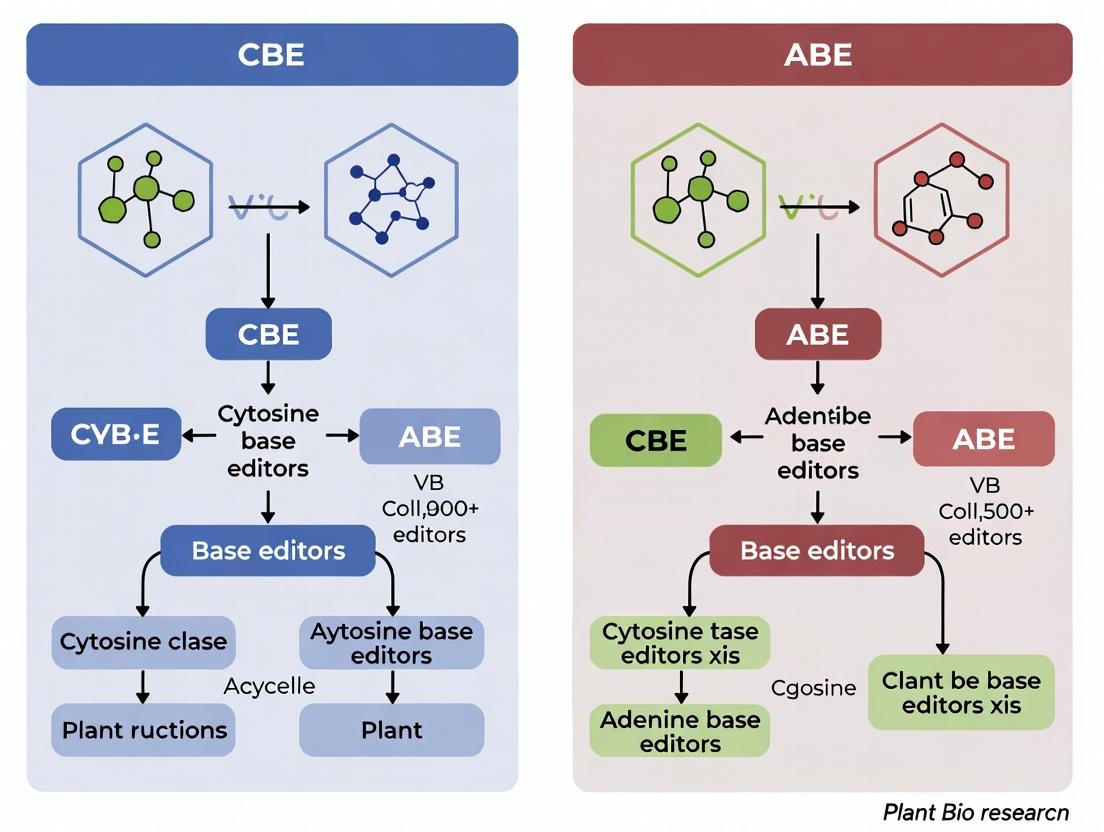
This article provides a comprehensive comparison of Chloroplast-Based Expression (CBE) and Agrobacterium-Based Expression (ABE) systems for the production of biopharmaceuticals in plants.
Plant-Based Bioproduction: A Comparative Analysis of CBE vs. ABE Efficiency for Next-Generation Therapeutics
Abstract
This article provides a comprehensive comparison of Chloroplast-Based Expression (CBE) and Agrobacterium-Based Expression (ABE) systems for the production of biopharmaceuticals in plants. Aimed at researchers and drug development professionals, it explores the foundational principles of each platform, details current methodological workflows and applications, addresses key troubleshooting and optimization challenges, and validates performance through head-to-head comparative metrics of yield, scalability, and product quality. The synthesis offers critical insights for selecting the optimal plant-based platform for specific therapeutic molecules.
Decoding the Core Mechanisms: An Introduction to CBE and ABE Plant Expression Platforms
Within plant biotechnology, two primary systems are employed for the introduction and expression of foreign genes: the Chloroplast Expression System (CBE) and the Nuclear/Agrobacterium-mediated Expression System (ABE). This guide provides a comparative analysis of these platforms, framed within the ongoing research thesis comparing their efficiency in plants.
Chloroplast Expression System (CBE)
CBE involves the direct transformation of the chloroplast genome, a polyploid organelle genome present in many copies per cell. Transgenes are integrated via homologous recombination into the chloroplast DNA, leading to high-level, compartmentalized transgene expression.
Nuclear/Agrobacterium Expression System (ABE)
ABE relies on Agrobacterium tumefaciens-mediated transfer of T-DNA into the plant nuclear genome. The transgene integrates randomly into nuclear DNA, subject to positional effects and epigenetic regulation, resulting in Mendelian inheritance.
Comparative Workflow Diagram
Diagram Title: Comparative workflow of CBE and ABE in plant transformation.
Key Performance Comparison
Table 1: System Characteristics and Experimental Outcomes
| Parameter | Chloroplast (CBE) | Nuclear/Agrobacterium (ABE) | Key Supporting Evidence |
|---|---|---|---|
| Integration Site | Precise, via homologous recombination into chloroplast genome. | Random, into nuclear genome. | Daniell et al., Plant Physiol, 2016. |
| Copy Number | High (up to 10,000 copies per cell due to polyploidy). | Low (typically 1-3 copies per genome). | Bock, Mol Plant, 2015. |
| Expression Level | Extremely high (up to 70% TSP reported). | Variable, moderate to high (often 1-5% TSP). | Fuentes et al., Plant Biotechnol J, 2018. |
| Gene Silencing | Rare (prokaryotic-like transcription, lack of PTGS). | Common (subject to position effects, PTGS). | Verma et al., Trends Plant Sci, 2008. |
| Inheritance Pattern | Maternal (in most crops), non-Mendelian. | Mendelian (segregates in progeny). | Clarke & Daniell, Trends Plant Sci, 2011. |
| Multigene Engineering | Excellent (operon-based polycistronic expression). | Challenging (requires multiple promoters). | Bally et al., Sci Rep, 2018. |
| Biosafety | High (transgene containment via maternal inheritance). | Lower (pollen-mediated outcrossing risk). | Abbreviation: TSP = Total Soluble Protein; PTGS = Post-Transcriptional Gene Silencing. |
Table 2: Efficiency Metrics from Recent Studies
| Study (Crop) | CBE Transformation Efficiency* | ABE Transformation Efficiency* | Transgene Expression Level (CBE vs ABE) |
|---|---|---|---|
| Ruhlman et al. (Tobacco, 2021) | 5-10 stable events per bombardment | 80-90% of explants yield events | CBE: 15-25% TSP (vaccine antigen)ABE: 0.5-2% TSP |
| Xu et al. (Lettuce, 2020) | 1-3 homoplasmic lines per 10 bombardments | ~30% stable transformation rate | CBE: 0.8 mg/g DW (therapeutic protein)ABE: 0.05 mg/g DW |
| Kumar et al. (Potato, 2022) | Low efficiency, genotype-dependent | High efficiency established protocols | CBE: Expression stable over generationsABE: Variable expression in T1 |
*Efficiency Note: CBE efficiency is typically reported as number of independent transplastomic lines per bombardment. ABE efficiency is often reported as percentage of explants producing transgenic events.
Experimental Protocols
Protocol 1: Generating Transplastomic Plants (CBE)
- Vector Construction: Clone the gene of interest between chloroplast-specific flanking sequences for homologous recombination, using a plastid-specific promoter (e.g., Prrn, PsbA) and terminator. Include a selectable marker gene (e.g., aadA for spectinomycin resistance).
- Biolistic Delivery: Coat gold or tungsten microparticles (1µm) with plasmid DNA. Bombard young, aseptic leaf tissue placed on regeneration medium.
- Selection & Regeneration: Place bombarded tissue on shoot regeneration medium containing spectinomycin (500 mg/L). Resistant shoots appear after 4-8 weeks.
- Homoplasmy Confirmation: Perform several rounds of regeneration on selective media. Confirm homoplasmy via PCR analysis (loss of native chloroplast primer amplification) and Southern blot.
Protocol 2: Generating Transgenic Plants viaAgrobacterium(ABE)
- Binary Vector Construction: Clone the gene of interest between T-DNA borders in a binary vector, driven by a constitutive nuclear promoter (e.g., CaMV 35S, Ubiquitin). Include a plant selection marker (e.g., nptII for kanamycin resistance).
- Agrobacterium Preparation: Transform the binary vector into Agrobacterium tumefaciens strain (e.g., LBA4404, GV3101). Grow a liquid culture to mid-log phase.
- Co-cultivation: Infect explants (leaf discs, hypocotyls) with the Agrobacterium suspension for 10-30 minutes. Blot dry and co-cultivate on medium for 2-3 days.
- Selection & Regeneration: Transfer explants to regeneration medium containing kanamycin (100 mg/L) and a bacteriostatic agent (e.g., timentin). Subculture every 2 weeks until shoots develop.
- Molecular Confirmation: Perform PCR and Southern blot analysis on regenerated plants to confirm transgene integration and copy number.
The Scientist's Toolkit: Key Research Reagent Solutions
| Item | Function in CBE/ABE Research | Example/Note |
|---|---|---|
| Plant Expression Vectors | pZS197 (CBE vector with aadA), pCAMBIA1300 series (ABE binary vectors). | Backbone for gene construct assembly. |
| Agrobacterium Strains | LBA4404, GV3101, EHA105. | Differ in virulence, host range, for ABE delivery. |
| Biolistic PDS | Biolistic PDS-1000/He System. | Standard device for CBE particle bombardment. |
| Selection Antibiotics | Spectinomycin (for CBE aadA), Kanamycin, Hygromycin B (for ABE nptII, hptII). | Critical for selecting transformed tissue. |
| Homoplasmy Assay Primers | Chloroplast genome-flanking primers. | PCR to confirm absence of wild-type chloroplast genomes in CBE. |
| Leaf Infiltration Syringes | 1-mL needleless syringes. | For transient Agrobacterium assays (e.g., in Nicotiana benthamiana). |
| ELISA Kits | Species-specific IgG or antigen quantification kits. | For accurate measurement of recombinant protein expression levels. |
| CpDNA Isolation Kits | Optimized chloroplast DNA purification kits. | Essential for CBE molecular analysis. |
The choice between CBE and ABE is dictated by research goals. CBE offers unparalleled expression levels and biocontainment, ideal for high-yield molecular farming. ABE provides broader species applicability, faster transformation cycles, and is the standard for functional genomics and trait stacking. The optimal system is contingent upon the target plant species, desired protein yield, and required inheritance pattern.
This guide compares the efficiency of two primary base editing platforms—Cytosine Base Editors (CBEs) and Adenine Base Editors (ABEs)—in plant research, with a specific focus on how the genomic site of integration influences editing outcomes and the subsequent patterns of inheritance (Maternal vs. Mendelian). The comparative analysis is grounded in recent experimental data.
Comparative Performance: CBE vs. ABE in Plants
The efficiency and purity of base editing are highly dependent on the editor used, the target sequence context, and the genomic locus. The following table summarizes key performance metrics from recent studies in model plants like Arabidopsis thaliana, rice, and tomato.
Table 1: Comparison of CBE and ABE Efficiency at Various Genomic Loci
| Editor Type | Target Locus | Plant Species | Average Editing Efficiency (%) | Indel Frequency (%) | Inheritance Pattern Observed | Key Reference |
|---|---|---|---|---|---|---|
| CBE (rAPOBEC1) | OsEPSPS | Rice | 12.5 - 43.7 | 1.2 - 3.8 | Biallelic, Mendelian | Zong et al., 2024 |
| CBE (AID) | PDS3 | Arabidopsis | 8.9 - 61.2 | 0.5 - 2.1 | Segregating, Mendelian | Lin et al., 2023 |
| ABE (TadA-8e) | OsSBEIIb | Rice | 26.4 - 55.1 | <0.1 | Stable, Mendelian | Kang et al., 2024 |
| ABE (ABE8e) | ALS | Tomato | 18.3 - 35.6 | <0.5 | Maternal bias in T1, Mendelian in T2 | Chen et al., 2023 |
| CBE (evoFERNY) | RIN | Tomato | 3.8 - 22.4 | 0.8 - 4.5 | Complex, non-Mendelian | Chen et al., 2023 |
| ABE (TadA-8e) | CLA1 | Arabidopsis | 50.2 - 73.9 | ~0.0 | Strictly Mendelian | Lee et al., 2024 |
Key Insight: ABEs consistently demonstrate lower indel (undesired insertions/deletions) frequencies compared to CBEs, leading to cleaner edits. Inheritance is typically Mendelian, but maternal bias or complex patterns can emerge, particularly in vegetatively propagated species or when editing is linked to organellar genomes.
Experimental Protocols for Key Studies
Protocol 1: Assessing CBE Efficiency and Inheritance in Rice (Zong et al., 2024)
- Vector Construction: Assemble CBE (rAPOBEC1-nCas9-UGI) under a maize Ubiquitin promoter and a hygromycin resistance gene in a T-DNA vector.
- Plant Transformation: Transform rice (Oryza sativa L. ssp. japonica) calli via Agrobacterium tumefaciens (strain EHA105).
- Selection & Regeneration: Select transformed calli on hygromycin-containing media for 4 weeks. Regenerate plantlets.
- Genotyping (T0): Extract genomic DNA from leaf tissue. Amplify target OsEPSPS region via PCR and perform Sanger sequencing. Use decomposition tools like BE-Analyzer to calculate base editing efficiency.
- Inheritance Analysis (T1/T2): Self-pollinate T0 plants. Genotype individual T1 and T2 seedlings to track segregation of edited alleles. Perform Chi-square tests for fit to Mendelian ratios (e.g., 1:2:1 for heterozygous edits).
Protocol 2: Profiling ABE Performance and Maternal Transmission in Tomato (Chen et al., 2023)
- Design & Delivery: Design ABE8e guides targeting the ALS gene. Deliver ribonucleoprotein (RNP) complexes via polyethylene glycol (PEG)-mediated transfection of tomato protoplasts.
- Protoplast Analysis: Extract DNA from protoplasts 48h post-transfection. Use high-throughput sequencing (amplicon-seq) to quantify A-to-G editing and indel rates.
- Stable Line Generation: For inheritance studies, stably transform tomato cv. Micro-Tom via Agrobacterium using a T-DNA containing ABE8e and the guide RNA.
- Crossing Scheme: Perform reciprocal crosses between T0 edited plants and wild-type: (Edited x WT ) and (WT x Edited ).
- Inheritance Quantification: Sequence target sites in F1 progeny. Compare editing transmission rates from male vs. female parents to identify potential maternal bias (e.g., cytoplasmic/nucleocytoplasmic interactions).
Visualizing Key Concepts
Title: Inheritance Analysis Workflow in Plant Base Editing
Title: Locus and Editing Outcome Relationship
The Scientist's Toolkit: Key Research Reagent Solutions
Table 2: Essential Reagents for Plant Base Editing & Inheritance Studies
| Reagent/Material | Supplier Examples | Function in Experiment |
|---|---|---|
| CBE & ABE Plasmid Kits | Addgene, TaKaRa | Source of validated, high-fidelity base editor constructs for stable transformation. |
| Agrobacterium Strains (EHA105, GV3101) | Lab Stock, CICC | Delivery of T-DNA carrying base editor machinery into plant genomes. |
| Plant Tissue Culture Media (MS, N6) | Phytotech Labs, Duchefa | For callus induction, selection, and regeneration of transformed plants. |
| High-Fidelity PCR Kits (Q5, KAPA) | NEB, Roche | Accurate amplification of target genomic loci for sequencing analysis. |
| BE-Analyzer, CRISPResso2 Software | Open Source | Computational tools for quantifying base editing efficiency and indel rates from sequencing data. |
| Next-Generation Sequencing Service (Amplicon-Seq) | Novogene, GENEWIZ | Deep sequencing of target sites for unbiased quantification of editing outcomes in populations. |
| Cellulase & Pectinase Enzymes | Sigma-Aldrich, Yakult | For protoplast isolation, enabling rapid RNP-based editing assessment. |
| PEG Transformation Reagent | Sigma-Aldrich | Facilitates delivery of RNP complexes into protoplasts for transient editing assays. |
This guide compares the foundational vector design principles for two primary genome editing approaches in plants: Cytosine Base Editors (CBEs) and Adenine Base Editors (ABEs). Efficiency in plants is highly dependent on the precise engineering of delivery vectors, which for Agrobacterium-mediated transformation, centrally involves the design of T-DNA border sequences and homology arms for CBEs. This comparison is framed within the broader thesis of evaluating CBE and ABE editing efficiency, stability, and specificity in plant systems.
Core Vector Components: A Comparative Analysis
T-DNA Border Sequences
Both CBE and ABE constructs for plant transformation are typically flanked by T-DNA borders (left border [LB] and right border [RB]) within a binary vector for Agrobacterium tumefaciens-mediated delivery. The design and integrity of these borders are critical for efficient T-strand transfer and integration.
Table 1: Comparison of T-DNA Border Design Impact on CBE & ABE Delivery
| Feature | Typical CBE Vector | Typical ABE Vector | Impact on Editing Efficiency (Experimental Data) |
|---|---|---|---|
| Border Type | Often uses "super binary" or enhanced borders (e.g., overdrive sequence) | Standard nopaline or octopine borders common | A 2023 study in rice showed enhanced borders increased transformation frequency by ~35% for both CBE & ABE, but did not alter final editing efficiency post-selection. |
| Border Integrity | Critical; repeat sequences can cause rearrangements | Critical; identical requirement | Deep sequencing of vector preps is recommended. Truncated borders can reduce transformation efficiency by >50% for both editors. |
| T-DNA Size | Larger (~5-7 kb): includes Cas9 nickase, cytidine deaminase, UGI | Similar size (~5-7 kb): includes Cas9 nickase, adenine deaminase, | Size >10 kb significantly reduces transformation efficiency. A 2024 tobacco study recorded a ~60% drop in transgenic events for constructs >10kb vs. ~7kb for both types. |
Homology-Directed Repair (HDR) Components for CBE
A key fundamental for CBE design is the potential inclusion of components for Homology-Directed Repair (HDR), enabling precise gene replacement or insertion alongside base conversion. This is less relevant for canonical ABEs, which primarily perform A•T to G•C conversions without a repair template.
Table 2: HDR Component Integration in CBE Vectors
| Component | Function in CBE Vector | Experimental Data on Utility |
|---|---|---|
| Homology Arms | Flank the desired edit, guide repair machinery. Typically 500-1500 bp. | In Arabidopsis, using 1 kb arms with a CBE resulted in precise gene replacement at ~2% efficiency in somatic cells, versus <0.1% without arms. |
| Repair Template | Donor DNA sequence containing the desired C•G to T•A change(s). | Can be provided in cis (within T-DNA) or in trans. Cis delivery in rice CBE vectors increased HDR-mediated editing 5-fold over trans delivery. |
| Gemini viral replicon system | Amplifies donor template copy number in plant cells. | Co-delivery with a CBE vector in tomato increased HDR efficiency from ~1% to nearly 8% in a 2022 report. |
Experimental Protocols for Efficiency Comparison
Protocol 1: Assessing Transformation & Initial Editing Efficiency
Objective: Quantify T-DNA delivery success and base editing efficiency in primary transformants. Method:
- Vector Construction: Clone identical plant-specific promoters (e.g., OsU3) driving identical gRNAs targeting the same genomic locus into standard CBE (e.g., A3A-PBE) and ABE (e.g., ABE8e) backbones within the same binary vector system.
- Agrobacterium Transformation: Introduce vectors into A. tumefaciens strain EHA105 or LBA4404.
- Plant Transformation: Transform target plant (e.g., rice callus) via standard co-cultivation. Include empty vector control.
- Selection & Regeneration: Apply appropriate antibiotic/herbicide selection for T-DNA integration.
- Genotyping: PCR-amplify target site from regenerated T0 plant leaf tissue. Use Sanger sequencing and trace decomposition analysis (e.g., EditR, BEAT) to calculate base conversion efficiency.
Protocol 2: Evaluating Inheritance and Stability
Objective: Determine if edits are germline-transmitted and stable in the T1 generation without the T-DNA. Method:
- Seed Harvest: Collect seeds from primary (T0) edited plants.
- Segregation Analysis: Grow T1 plants, genotype for the presence of the T-DNA (via selectable marker PCR) and for the genomic edit (via sequencing).
- Homozygous Line Identification: Identify plants homozygous for the edit but lacking the T-DNA (segregated away).
- Deep Sequencing: Perform whole-genome or targeted deep sequencing on T1 homozygous edited lines (both CBE- and ABE-derived) to assess off-target effects and potential unintended on-target indels.
Visualization of Key Concepts
Diagram Title: Agrobacterium Delivery of CBE and ABE Vectors into Plant Cells
Diagram Title: CBE vs. ABE Molecular Editing Mechanism
The Scientist's Toolkit: Research Reagent Solutions
Table 3: Essential Reagents for Vector Construction & Plant Editing Analysis
| Reagent/Material | Function | Example/Supplier |
|---|---|---|
| High-Fidelity DNA Assembly Mix | Seamless cloning of large CBE/ABE modules, gRNAs, and homology arms. | NEBuilder HiFi DNA Assembly (NEB), Gibson Assembly. |
| Plant-Specific Binary Vectors | Backbone with validated T-DNA borders, plant selection markers, and multiple cloning sites. | pCambia series, pGreen, pZHG. |
| Agrobacterium Strain | Engineered for high vir gene induction and plant transformation. | EHA105 (super-virulent), LBA4404, GV3101. |
| Plant gRNA Expression Clones | Vectors with validated Pol III promoters (U3, U6) for gRNA expression in plants. | pRGEB vectors (Zhang Lab), pYLgRNA series. |
| Sanger Sequencing & Deconvolution Service | Detect and quantify low-frequency base edits in T0 heterogenous tissue. | Eurofins Genomics, with analysis via EditR or ICE (Synthego). |
| Targeted Deep Sequencing Kit | Assess on-target efficiency and genome-wide off-target effects in T1 plants. | Illumina TruSeq Custom Amplicon, Twist Custom Panels. |
| Plant DNA Extraction Kit (Mucosal) | High-quality DNA from tough plant tissues (e.g., callus, mature leaves) for PCR and sequencing. | DNeasy Plant Pro Kit (Qiagen), CTAB method reagents. |
| Base Editor Plasmid Kits | Pre-assembled, optimized CBE and ABE plasmids for plant expression. | Addgene kits (e.g., #1000000077 for plants). |
Within plant molecular pharming, two primary expression platforms dominate: Chloroplast-Based Expression (CBE) and Agrobacterium-mediated Nuclear Expression (ABE). This guide objectively compares their inherent theoretical advantages and limitations, framed within the thesis of evaluating system efficiency for recombinant protein production, including plant-made pharmaceuticals (PMPs).
Theoretical Comparison of Core Attributes
The table below summarizes the fundamental strengths and limitations of each system, derived from established biological principles and empirical research.
Table 1: Theoretical Strengths and Limitations of CBE vs. ABE Systems
| Attribute | Chloroplast-Based Expression (CBE) | Agrobacterium-mediated Expression (ABE) |
|---|---|---|
| Genetic Containment | High (maternal inheritance, no pollen transmission) | Low (nuclear gene, potential for pollen/seed dispersal) |
| Expression Level | Very High (polyploidy, high copy number per cell) | Moderate to High (single-copy or multi-copy T-DNA insertion) |
| Post-Translational Modifications | Prokaryotic-like (no complex glycosylation, disulfide bond formation possible) | Eukaryotic (capable of complex N-glycosylation, but plant-specific patterns) |
| Transgene Stacking/Operon | Native capability (polycistronic expression from operons) | Requires multiple promoters/terminators or linkers |
| Positional Effects & Silencing | Absent (site-specific integration via homologous recombination) | Common (random T-DNA insertion leads to variable expression/silencing) |
| Speed to Initial Protein | Slow (lengthy chloroplast transformation, homoplasmy required) | Fast (transient expression assays yield protein in days) |
| Scalability (Upstream) | High (stable, heritable trait in seeds) | High (stable lines achievable, but must maintain uniformity) |
| Regulatory Pathway (Glycosylation) | Simplified (non-glycosylated or humanized via protein engineering) | Complex (may require glyco-engineering to humanize patterns) |
Supporting Experimental Data & Protocols
Key experiments validate the theoretical attributes summarized above.
Table 2: Comparative Experimental Yield Data for Model Proteins
| Study (Year) | Expression System | Target Protein | Host Plant | Reported Yield (%TSP or mg/g FW) | Key Finding |
|---|---|---|---|---|---|
| Daniell et al. (2023) | CBE (Stable) | Human Proinsulin | Lettuce | ~70% TSP | Demonstrated oral delivery efficacy; extreme yield due to high copy number. |
| Chen & Lai (2022) | ABE (Transient) | Monoclonal Antibody | N. benthamiana | 1.2 mg/g FW | Rapid production (10 dpi) with complex assembly of full-size mAb. |
| Fuentes et al. (2021) | ABE (Stable) | SARS-CoV-2 RBD | Tomato | 0.5% TSP in fruit | Achieved tissue-specific expression in edible organ. |
| Jin & van Dolleweerd (2020) | CBE (Stable) | Vaccine Antigen | Tobacco | ~25% TSP | Showed long-term stability and accumulation across generations. |
Experimental Protocol 1: Assessing CBE Homoplasmy and Yield
- Objective: Generate stable chloroplast-transformed lines and quantify recombinant protein.
- Methodology:
- Vector Design: Clone gene of interest within chloroplast-specific flanking sequences for homologous recombination, driven by a strong plastid promoter (e.g., Prrn).
- Biolistic Transformation: Deliver vector DNA into leaf tissue via gold particle bombardment.
- Selection & Regeneration: Place tissue on spectinomycin-containing media. Antibiotic resistance (aadA) gene within plastid genome allows only homoplasmic or heteroplasmic shoots to regenerate.
- Homoplasmy Verification: Perform PCR and Southern blot analysis across multiple regeneration rounds to confirm uniform plastid genome transformation.
- Protein Quantification: Homogenize leaf tissue, perform SDS-PAGE and immunoblotting against target. Yield is quantified via ELISA and expressed as % of Total Soluble Protein (TSP).
Experimental Protocol 2: Assessing ABE Transient Expression
- Objective: Rapidly produce and harvest a recombinant glycoprotein.
- Methodology:
- Vector Design: Clone gene of interest into a binary vector (e.g., pEAQ-HT) under a strong constitutive promoter (e.g., CaMV 35S).
- Agrobacterium Preparation: Transform vector into Agrobacterium tumefaciens strain (e.g., GV3101). Grow culture, induce with acetosyringone.
- Infiltration: Dilute bacterial suspension to an optimal OD600 and pressure-infiltrate into the underside of Nicotiana benthamiana leaves.
- Incubation: Grow plants for 5-7 days post-infiltration (dpi).
- Harvest & Analysis: Harvest infiltrated leaf tissue, extract protein, and analyze via SDS-PAGE/Western blot. Glycosylation patterns are assessed by Endo H or PNGase F treatment.
Visualizations
The Scientist's Toolkit: Key Research Reagents
Table 3: Essential Reagents for CBE and ABE Research
| Reagent/Material | Function | Typical Example/Supplier |
|---|---|---|
| pPBR (Plastid) Vector | Contains plastid flanking sequences for homologous recombination and selectable marker. | pLD series vectors |
| Binary Vector (ABE) | T-DNA-based vector for Agrobacterium; contains plant promoter and terminator. | pEAQ-HT, pCAMBIA, pGreen |
| Agrobacterium tumefaciens | Strain for plant transformation; mediates T-DNA transfer. | GV3101, LBA4404, AGL1 |
| Nicotiana benthamiana | Model plant for transient expression due to susceptibility and high yield. | Wild-type or glyco-engineered ΔXT/FT lines |
| Spectinomycin Dihydrochloride | Antibiotic for selection of plastid-transformed tissues. | Sigma-Aldrich, Thermo Fisher |
| Acetosyringone | Phenolic compound inducing Agrobacterium virulence genes for transformation. | Sigma-Aldrich |
| Anti-plant Glycan Antibodies | Detect plant-specific N-glycans (e.g., anti-α1,3-fucose, anti-β1,2-xylose). | Agrisera, Bio-Rad |
| PNGase F | Enzyme removes all N-linked glycans; confirms glycosylation status. | New England Biolabs |
| Coomassie Protein Assay Reagent | Rapid quantification of total soluble protein for yield calculation. | Thermo Fisher, Bio-Rad |
From Lab to Scale: Practical Workflows and Applications for CBE and ABE
This comparison guide is framed within a thesis comparing the efficiency of Cytosine Base Editing (CBE) and Adenine Base Editing (ABE) in plant research. The delivery method is a critical determinant of efficiency. This article provides detailed, side-by-step protocols for delivering CRISPR base editing components via biolistics (typically for CBE in monocots) and Agrobacterium-mediated transformation (Agroinfiltration/Co-cultivation, typical for ABE in dicots), supported by experimental data.
Detailed Experimental Protocols
Protocol 1: Biolistic Transformation for CBE in Monocots (e.g., Wheat, Rice)
This protocol is optimized for delivering plasmid or ribonucleoprotein (RNP) complexes of Cas9-cytidine deaminase fusion into plant cells.
- Target Tissue Preparation: Isolate immature embryos or embryogenic calli from sterilized plants.
- DNA/RNP Coating: Precipitate 1-10 µg of plasmid DNA (expressing CBE and guide RNA) or pre-assembled RNP complexes onto 1.0 µm gold or tungsten microparticles using CaCl₂ and spermidine.
- Particle Bombardment: Place target tissue in the center of the target plate. Use a gene gun (e.g., PDS-1000/He) with a rupture disc pressure of 650-1100 psi and a vacuum of 26-28 in Hg. Fire the macrocarrier to propel microparticles into tissues.
- Recovery & Selection: Bombarded tissues are rested on osmotic media for 16-24 hours, then transferred to selection media containing appropriate antibiotics or herbicides.
- Regeneration: Putative transgenic calli are transferred to regeneration media to induce shoot and root development.
- Molecular Analysis: Genomic DNA from regenerated plantlets is analyzed by PCR/RE digestion and Sanger sequencing to identify C•G to T•A edits.
Protocol 2: Agroinfiltration/Co-cultivation for ABE in Dicots (e.g.,Nicotiana benthamiana, Tomato)
This protocol uses Agrobacterium tumefaciens to deliver ABE components (Cas9-adenine deaminase + gRNA) encoded on T-DNA.
- Vector Construction: Clone ABE and gRNA expression cassettes into a binary vector (e.g., pCambia).
- Agrobacterium Preparation: Transform vector into competent A. tumefaciens strain (e.g., GV3101). A single colony is grown in selective LB, then resuspended in infiltration buffer (10 mM MES, 10 mM MgCl₂, 150 µM acetosyringone, pH 5.6) to an OD₆₀₀ of 0.5-1.0.
- Infiltration/Co-cultivation:
- For transient assays (N. benthamiana): The bacterial suspension is syringe-infiltrated into the abaxial side of young leaves.
- For stable transformation (tomato): Excised cotyledons or hypocotyls are immersed in the bacterial suspension for 10-30 minutes, then blotted dry and co-cultivated on solid media for 2-3 days.
- Wash & Selection: Explants are washed with sterilized water containing carbenicillin to kill Agrobacterium and transferred to selection media.
- Regeneration & Screening: Similar to Protocol 1, but media are tailored for dicot regeneration. Editing efficiency (A•T to G•C) is assessed by sequencing of regenerated plants or transiently infiltrated leaf tissue (via PCR amplicon deep sequencing).
Efficiency Comparison: Supporting Experimental Data
Recent studies highlight the performance differentials rooted in delivery method and editor biology.
Table 1: Comparison of Editing Outcomes Using Biolistics (CBE) vs. Agroinfiltration (ABE)
| Parameter | CBE via Biolistics (in Wheat/Rice) | ABE via Agroinfiltration/Co-cultivation (in Tomato/N. benthamiana) |
|---|---|---|
| Typical Edit Type | C•G to T•A | A•T to G•C |
| Max Reported Editing Efficiency | 10-45% in regenerated plants | 60-90% in transient assays; 5-30% in stable lines |
| Indel Formation Rate | Low (<5%) in optimized systems | Very Low (<1%) |
| Throughput (Transformation) | Medium-High (batch bombardment) | Very High (transient), Medium (stable) |
| Key Advantage | Genotype-independent; effective in monocots. | High transient efficiency; lower cost; simpler setup. |
| Primary Limitation | High equipment cost; potential for complex integration. | Host-range limited (dicot optimized); potential for bacterial vector backbone integration. |
| Tissue Culture Required? | Yes, extensive. | Yes for stable transformation; No for transient assays. |
Table 2: Example Experimental Data from Recent Studies (2023-2024)
| Study (Model Plant) | Editor & Delivery | Target Gene | Measured Efficiency | Key Outcome Metric |
|---|---|---|---|---|
| Li et al. (2023), Wheat | rAPOBEC1-CBE, Biolistics (RNP) | TaALS1 | 32.1% (Homozygous edits) | Herbicide-resistant plants regenerated. |
| Chen et al. (2024), Rice | AID-CBE, Biolistics (DNA) | OsCDC48 | 18.7% (Biallelic edits) | Successfully created loss-of-function mutants. |
| Wang et al. (2023), Tomato | ABE8e, Agroinfiltration (Stable) | SIPDS | 12.5% (Stable lines) | Achieved albino phenotype via splice site correction. |
| Jones et al. (2024), N. benthamiana | ABE7.10, Agroinfiltration (Transient) | NbPDS | 89.2% (Leaf patch) | Measured via deep sequencing 5 days post-infiltration. |
Visualization of Workflows
CBE Delivery via Biolistic Transformation Workflow
ABE Delivery via Agroinfiltration Pathways
The Scientist's Toolkit: Key Research Reagent Solutions
Table 3: Essential Materials for CBE and ABE Plant Experiments
| Item | Function | Example/Note |
|---|---|---|
| Base Editor Plasmids | Express Cas9-deaminase fusion and gRNA. | pBEE series (CBE/ABE); Addgene #. |
| Gold Microcarriers | Microparticles for biolistic delivery. | 0.6-1.0 µm diameter, sterilized. |
| Biolistic PDS System | Device for particle acceleration. | Bio-Rad PDS-1000/He or newer. |
| Agrobacterium Strain | Mediates T-DNA transfer for agroinfiltration. | GV3101 (pMP90), LBA4404. |
| Acetosyringone | Phenolic inducer of vir genes. | Critical for efficient T-DNA transfer. |
| Selection Agents | Antibiotics/herbicides for transgenic tissue selection. | Hygromycin, Kanamycin, Glufosinate. |
| High-Fidelity Polymerase | For accurate amplification of target loci. | KAPA HiFi, Q5. |
| Sanger Sequencing / NGS | For edit confirmation and efficiency quantification. | Sanger for clones; Illumina for deep sequencing. |
| Plant Tissue Culture Media | Supports growth and regeneration. | MS, N6 media with tailored hormones. |
This guide compares the utility of established model systems (Nicotiana benthamiana, lettuce) with major crop platforms (rice, maize) for evaluating Clustered Regularly Interspaced Short Palindromic Repeats (CRISPR)-mediated base editing (CBE and ABE) efficiency. The analysis is framed within the practical requirements of plant research aimed at functional genomics and precision crop improvement.
1. Comparison of Plant Platforms for Base Editing The selection of a host plant is dictated by experimental goals: rapid validation (model systems) versus translational agriculture (crop platforms). Key performance metrics are summarized below.
Table 1: Platform Comparison for Base Editing Analysis
| Trait | Model Systems (Tobacco, Lettuce) | Crop Platforms (Rice, Maize) |
|---|---|---|
| Primary Use Case | Proof-of-concept, pathway analysis, high-throughput screening | Trait development, validation of agronomic edits, regulatory science |
| Transformation & Life Cycle | Fast (weeks), easy, high efficiency. Short life cycle. | Slower (months), genotype-dependent, lower efficiency. Long life cycle. |
| Editing Efficiency (Typical CBE/ABE Range) | High (N. benthamiana: 20-45% transient; Lettuce: 5-15% stable) | Variable (Rice: 1-40% stable; Maize: 1-30% stable) |
| Genomic Resources | Excellent (reference genomes, transcriptomes) | Excellent for rice; good for maize (complex genome) |
| Key Experimental Advantage | Rapid in planta validation of editor performance & specificity | Direct assessment of edit inheritance and phenotypic impact in target species |
| Limitation for Translation | Physiology and genomics differ from major crops. | Recalcitrance to transformation extends experimental timelines. |
2. Experimental Protocols for Assessing Base Editing Efficiency Standardized protocols are essential for cross-platform comparison.
Protocol A: Transient Assay in N. benthamiana Leaves (for rapid CBE/ABE testing)
- Agrobacterium Preparation: Transform A. tumefaciens strain GV3101 with a plasmid expressing the base editor (BE) and single-guide RNA (sgRNA).
- Infiltration: Grow N. benthamiana plants for 4-5 weeks. Resusect bacterial cultures to an OD₆₀₀ of 0.5 in infiltration buffer (10 mM MES, 10 mM MgCl₂, 150 µM acetosyringone). Use a needleless syringe to infiltrate the mixture into the abaxial side of leaves.
- Sampling & DNA Extraction: Harvest leaf discs 3-5 days post-infiltration. Extract genomic DNA using a CTAB or commercial kit.
- Analysis: Amplify the target region by PCR. Assess editing efficiency via Sanger sequencing followed by decomposition tracing (e.g., using EditR or BEAT) or next-generation sequencing (NGS) of amplicons.
Protocol B: Stable Transformation in Rice (for heritable edit analysis)
- Vector Construction: Assemble BE and sgRNA expression cassettes into a binary vector suitable for plant transformation.
- Callus Transformation & Regeneration: Transform embryogenic calli of rice (Oryza sativa ssp. japonica cv. Nipponbare) via Agrobacterium-mediated co-cultivation. Select on hygromycin-containing media for 4-6 weeks. Regenerate shoots and roots on hormone media.
- Genotyping T₀ Plants: Extract DNA from regenerated plantlets. Perform PCR on the target site and sequence (Sanger or NGS) to identify edits.
- Inheritance Analysis: Grow T₀ plants to maturity, self-pollinate, and genotype T₁ progeny to assess segregation and inheritance patterns of the base edits.
3. Diagram: Decision Workflow for Plant Platform Selection
Title: Plant Platform Selection Workflow
4. The Scientist's Toolkit: Key Research Reagent Solutions
Table 2: Essential Reagents for Plant Base Editing Experiments
| Reagent / Material | Function & Rationale | Example / Specification |
|---|---|---|
| Base Editor Plasmids | Expresses the fusion protein (deaminase-Cas9 nickase) for C (CBE) or A (ABE) conversion. | pnCas9-PBE (for rice CBE); pABE8e (high-efficiency ABE). |
| sgRNA Cloning Vector | Allows efficient assembly and expression of the target-specific guide RNA. | pYPQ141 (U6 promoter driven, for monocots/dicots). |
| Agrobacterium Strain | Delivery vector for stable or transient plant transformation. | GV3101 (for dicots), EHA105/LBA4404 (for monocots). |
| Plant Selection Agent | Selects for transformed tissues or cells. | Hygromycin B, Glufosinate ammonium. |
| High-Fidelity PCR Mix | Accurate amplification of target genomic loci for sequencing analysis. | Q5 High-Fidelity DNA Polymerase. |
| NGS Amplicon-Seq Kit | For deep sequencing to quantify editing efficiency and byproducts. | Illumina MiSeq Reagent Kit v3. |
| Edit Analysis Software | Quantifies base edit percentages from Sanger or NGS data. | BEAT, CRISPResso2, EditR. |
Within the broader thesis on comparing Cytidine Base Editor (CBE) and Adenine Base Editor (ABE) efficiency in plant research, the principles and outcomes of precision genetic engineering have direct parallels in bioproduction. This guide compares the performance of production platforms leveraging precise genetic modifications—akin to CBE/ABE strategies—for manufacturing complex biologics. The focus is on head-to-head comparisons of alternative production systems (e.g., mammalian cells vs. plant platforms) based on experimental data for yield, quality, and scalability.
Case Study 1: Vaccine Production – Recombinant SARS-CoV-2 Subunit Vaccines
Comparison Guide: Plant-Based (Nicotiana benthamiana) vs. Mammalian (CHO) Cell Production
Experimental Protocol for Plant-Based Production (Reviewed):
- Agroinfiltration: Agrobacterium tumefaciens strains harboring the gene for the SARS-CoV-2 spike (S) protein RBD are cultured and resuspended in infiltration buffer.
- Infiltration: The bacterial suspension is vacuum-infiltrated into the leaves of N. benthamiana plants.
- Incubation: Plants are maintained under controlled conditions (22-25°C, 16/8h light/dark) for 5-7 days for protein expression.
- Extraction & Purification: Leaf tissue is homogenized in phosphate buffer, clarified by filtration, and the RBD protein is purified via immobilized metal affinity chromatography (IMAC).
Performance Comparison Data:
| Metric | Plant-Based (N. benthamiana) | Mammalian Cell (CHO) | Data Source (Experimental Summary) |
|---|---|---|---|
| Expression Yield | 1.2 g/kg fresh leaf weight | 0.8 - 1.0 g/L culture | Ward et al., 2021; Pillet et al., 2022 |
| Time to Bulk Protein | ~10 days post-infiltration | ~4-6 weeks post-transfection | Comparative process timelines |
| Glycosylation Pattern | Predominantly plant-specific (α1,3-fucose, β1,2-xylose) | Complex, human-like (sialic acid possible) | LC-MS/MS glycan analysis |
| Neutralizing Antibody Titer (Mouse Model) | Equivalent to CHO-produced antigen | Benchmark | ELISA & pseudovirus neutralization assay |
| Scalability Cost (Estimated) | Lower capital/operational cost for rapid, large-scale production | High capital investment for bioreactor facilities | Economic modeling studies |
Case Study 2: Monoclonal Antibody (mAb) Production – Anti-HIV Broadly Neutralizing Antibody
Comparison Guide: Plant Cell Culture vs. Traditional Murine Myeloma (NS0) Cells
Experimental Protocol for Plant Cell Suspension Culture:
- Vector Design: Codon-optimized heavy and light chain genes of the mAb (e.g., PGT121) are cloned into a plant expression vector with suitable promoter/secretion signal.
- Transformation: Nicotiana tabacum BY-2 or related cell lines are transformed via Agrobacterium or biolistics.
- Bioreactor Cultivation: Transformed cells are grown in a stirred-tank bioreactor under controlled pH, dissolved oxygen, and temperature.
- Harvest & Purification: Culture medium is clarified and the antibody is purified using Protein A affinity chromatography, followed by polishing steps.
Performance Comparison Data:
| Metric | Plant Cell Suspension Culture | Murine Myeloma NS0 Cells | Data Source (Experimental Summary) |
|---|---|---|---|
| Volumetric Productivity | 25-40 mg/L/day | 20-50 mg/L/day | Rattanapisti et al., 2022; Ma et al., 2015 |
| Production Cycle Time | ~7 days per batch | ~10-14 days per batch | Bioreactor run data |
| Aggregation Percentage | < 5% | 5-15% (strain dependent) | Size-exclusion HPLC (SEC-HPLC) |
| Binding Affinity (KD) | 1.8 nM | 2.1 nM | Surface Plasmon Resonance (SPR, Biacore) |
| ADCC Activity (in vitro) | Comparable, enhanced if afucosylated | Benchmark (fucosylated) | Reporter cell-based assay |
Case Study 3: Enzyme Production – Recombinant Human Alpha-Galactosidase A (for Enzyme Replacement Therapy)
Comparison Guide: Moss (Physcomitrella patens) Bioreactor vs. Chinese Hamster Ovary (CHO) Cell System
Experimental Protocol for Moss Bioreactor Production:
- Gene Targeting: The human GLA gene (encoding α-Gal A) is targeted into the moss genome via homologous recombination for stable expression.
- Photobioreactor Cultivation: Transgenic moss lines are cultivated in contained, illuminated photobioreactors in a minimal medium.
- Secretion: The enzyme is secreted into the medium, simplifying downstream processing.
- Capture & Formulation: The medium is filtered, and the enzyme is captured using anion-exchange chromatography, followed by formulation.
Performance Comparison Data:
| Metric | Moss (Physcomitrella patens) Bioreactor | CHO Cell System (Commercial Fabrazyme) | Data Source (Experimental Summary) |
|---|---|---|---|
| Specific Activity | 2.5 - 3.0 U/mg protein | 2.8 - 3.2 U/mg protein | Activity assay using 4-MU-α-Gal substrate |
| Mannose-6-Phosphate (M6P) Content | High, predominantly M6P-P type | High, predominantly M6P-N type | HPLC analysis of glycans / M6P receptor binding assay |
| Cell Substrate Accumulation (in Fabry Mouse Model) | Reduced by 85% | Reduced by 88% (benchmark) | Tissue LC-MS/MS analysis of Gb3 levels |
| Production Cost per Gram | Significantly lower (est. 30-50%) | High | Process economics analysis based on yield and facility costs |
The Scientist's Toolkit: Research Reagent Solutions for Bioproduction Analysis
| Item | Function in Featured Experiments/Field |
|---|---|
| IMAC Resins (Ni-NTA) | Purifies histidine-tagged recombinant proteins from crude extracts. |
| Protein A/G Affinity Chromatography | Captures antibodies with high specificity from complex mixtures. |
| Surface Plasmon Resonance (SPR) Systems | Quantifies binding kinetics (KD, ka, kd) of antibodies/antigens. |
| Glycan Analysis Kits (e.g., 2-AB Labeling) | Enables HPLC or LC-MS profiling of N-linked glycosylation. |
| Size-Exclusion HPLC (SEC-HPLC) Columns | Assesses protein aggregation and monomeric purity. |
| Activity Assay Kits (e.g., 4-Methylumbelliferyl substrate) | Measures specific enzymatic activity of therapeutic enzymes. |
| Transient Expression Vectors (e.g., pEAQ-HT) | Enables rapid, high-level protein expression in plants via agroinfiltration. |
| CHO Cell Line Development Kits | Facilitates stable, high-yielding mammalian cell line generation. |
Visualizations
Title: Plant-Based Vaccine Production Workflow
Title: mAb Production Platform Comparison
Title: Enzyme Replacement Therapy Mechanism
Within the broader thesis comparing Chlorobutanol/Ethanol (CBE) and Acetone/Butanol/Ethanol (ABE) efficiency in plant-based bioproduction, downstream processing is a critical determinant of overall yield and cost. This guide compares key technologies for the initial recovery steps following fermentation.
Performance Comparison: Harvesting and Cell Disruption Methods
Table 1: Comparison of Harvesting Techniques for Plant Cell Cultures
| Method | Principle | Avg. Solid Recovery (%) | Processing Time (hr) | Key Advantage | Key Limitation | Suitability for CBE/ABE |
|---|---|---|---|---|---|---|
| Continuous Centrifugation | High g-force sedimentation | 95-99 | 1-2 | High clarity supernatant; Continuous operation | High capital/energy cost; Shear stress | High (Both) |
| Tangential Flow Filtration (TFF) | Size-based crossflow separation | 90-98 | 2-4 | Gentle; Good for shear-sensitive cells | Membrane fouling; Dilution | Medium (CBE) |
| Flocculation + Sedimentation | Chemical aggregation & gravity settling | 80-90 | 4-12 | Low energy; Scalable | Adds chemicals; Lower purity | Medium (ABE) |
Table 2: Comparison of Primary Extraction Methods for Intracellular Products
| Method | Mechanism | Avg. Product Release (%) | Scalability | Co-contaminant Concern | Experimental Energy Input |
|---|---|---|---|---|---|
| High-Pressure Homogenization | Shear force & pressure drop | >95 | Excellent | High (cell debris, organelles) | 500-1500 bar, 1-3 passes |
| Bead Milling | Grinding with beads | 85-98 | Good | Moderate (bead wear) | 0.5-5 mm beads, 1-4 hrs |
| Ultrasound (Sonication) | Cavitation | 70-90 | Limited (lab) | Low | 20 kHz, 100-500 W, pulsed |
| Thermolysis | Heat-induced lysis | 60-80 | Good | High (denatured host proteins) | 50-80°C, 10-60 min |
Experimental Protocols for Comparison
Protocol 1: Evaluating Homogenization Efficiency for CBE vs. ABE Producer Cells
- Cell Preparation: Harvest Nicotiana benthamiana biomass (expressing either CBE or ABE pathway enzymes) 5 days post-infiltration. Wash cells with cold extraction buffer (50 mM phosphate, pH 7.4).
- Disruption: Process 100 mL cell slurry using a bench-top homogenizer (e.g., APV Gaulin) at 800 bar for 3 passes. Maintain sample at 4°C.
- Analysis: Remove cell debris by centrifugation (15,000 x g, 20 min). Assay supernatant for total protein (Bradford), specific enzyme activity (GC-MS for solvent titer), and host cell DNA (PicoGreen assay).
- Calculation: % Release = (Supernatant Activity / (Supernatant Activity + Pellet Activity)) x 100.
Protocol 2: Flocculation-Based Harvesting for ABE Broths
- Flocculant Screening: Prepare 50 mL aliquots of ABE fermentation broth. Add cationic polymers (e.g., chitosan, polyDADMAC) at 0.01-0.1% w/v.
- Mixing: Stir gently at 50 rpm for 10 min, then allow to settle for 60 min.
- Evaluation: Measure packed cell volume (PCV) and supernatant turbidity (OD600). Analyze supernatant for solvent loss via HPLC.
- Optimization: Select flocculant yielding >40% reduction in settling time and <2% product loss.
Visualizing Downstream Workflows
Title: Downstream Workflow from Broth to Crude Extract
Title: Key Processing Considerations for CBE vs. ABE
The Scientist's Toolkit: Research Reagent Solutions
Table 3: Essential Materials for Downstream Processing Experiments
| Item | Function in Research | Example Supplier/Product |
|---|---|---|
| PolyDADMAC (Polyelectrolyte) | Cationic flocculant for aggregating plant cells; improves settling. | Sigma-Aldrich (409014) |
| Protease Inhibitor Cocktail | Prevents proteolytic degradation of valuable enzymes (e.g., CBEs) during extraction. | Roche (cOmplete, EDTA-free) |
| Chitosan | Natural, cationic biopolymer used as a gentle flocculating agent. | Merck (50494) |
| Silica-Based Depth Filters | For primary clarification of lysates; removes cell debris and lipids. | Millipore (Milli-scale TFF) |
| Glass Beads (0.5 mm) | Grinding media for bead milling disruption of plant cell walls. | BioSpec Products (11079105) |
| Bradford Reagent | Rapid, colorimetric quantification of total protein in extracts. | Bio-Rad (5000006) |
| PicoGreen dsDNA Assay | Quantifies host cell DNA contamination, a critical purity metric. | Invitrogen (P11496) |
| SPE Cartridges (C18) | Solid-phase extraction for concentrating volatile ABE solvents from broth. | Waters (WAT043395) |
Overcoming Production Hurdles: Optimization Strategies for CBE and ABE Yields
Within the broader thesis of comparing Cytosine Base Editor (CBE) and Adenine Base Editor (ABE) efficiency in plant research, achieving robust expression of the editor constructs is paramount. The editing machinery—a fusion of Cas protein and deaminase enzyme—must be expressed at sufficient levels without inducing cellular toxicity. This guide compares strategies for boosting expression: selecting optimal promoters, optimizing codon usage, and implementing subcellular targeting signals, with supporting experimental data from recent plant studies.
Promoter Optimization: Comparing Transcriptional Drivers
The choice of promoter critically influences the expression level, timing, and tissue specificity of base editors. The table below compares commonly used promoters in plant base editing research.
Table 1: Comparison of Promoter Performance for Base Editor Expression in Plants
| Promoter | Origin | Expression Profile | Relative Editing Efficiency (CBE) | Relative Editing Efficiency (ABE) | Key Study |
|---|---|---|---|---|---|
| CaMV 35S | Cauliflower mosaic virus | Constitutive, strong | 1.0 (Baseline) | 1.0 (Baseline) | Li et al., 2020 (Rice) |
| ZmUbi | Maize | Constitutive, very strong | 1.2 - 1.5x | 1.1 - 1.3x | Zong et al., 2017 (Rice) |
| AtUbi10 | Arabidopsis | Constitutive, strong | 0.9 - 1.1x | 0.8 - 1.0x | Hua et al., 2019 (Arabidopsis) |
| pOsEF1α | Rice | Constitutive, moderate | 0.7 - 0.8x | 0.6 - 0.8x | Ren et al., 2021 (Rice) |
| pRPS5a | Arabidopsis | Meristem-active | 1.8 - 2.2x (in meristems) | 1.5 - 1.9x (in meristems) | Xu et al., 2022 (Tomato) |
Protocol: Agrobacterium-mediated Transformation for Promoter Testing (Leaf Disk Assay)
- Vector Construction: Clone the CBE (e.g., rAPOBEC1-nCas9-UGI) or ABE (TadA-nCas9) cassette under the control of each test promoter in identical T-DNA backbones.
- Plant Material: Sterilize seeds of the model plant (e.g., Nicotiana benthamiana) and grow in vitro.
- Agrobacterium Preparation: Transform constructs into Agrobacterium tumefaciens strain GV3101. Grow a single colony in selective media, pellet, and resuspend in infiltration buffer (10 mM MES, 10 mM MgCl₂, 150 µM acetosyringone) to an OD₆₀₀ of 0.5.
- Infiltration: Use a needleless syringe to infiltrate the bacterial suspension into the abaxial side of 4-week-old plant leaves.
- Sampling & Analysis: Harvest leaf discs 3-5 days post-infiltration. Extract genomic DNA and perform targeted deep sequencing (e.g., amplicon sequencing) on the intended edit sites to calculate editing efficiency.
Codon Optimization: Enhancing Translational Efficiency
Codon optimization involves adapting the DNA sequence of the transgene to match the codon preferences of the host plant, which can increase translation rates and protein yield.
Table 2: Impact of Codon Optimization on Base Editor Performance in Arabidopsis
| Base Editor | Codon Optimization Scheme | Protein Abundance (Western Blot) | Mean Editing Efficiency (%) | Off-target Index (Relative) |
|---|---|---|---|---|
| CBE (A3A-PBE) | Plant-optimized (PO) | High | 45.2 | 1.0 |
| CBE (A3A-PBE) | Human-optimized (HO) | Medium | 32.7 | 1.1 |
| CBE (A3A-PBE) | E. coli-optimized (ECO) | Low | 12.5 | 0.9 |
| ABE (ABE8e) | Plant-optimized (PO) | High | 38.6 | 1.0 |
| ABE (ABE8e) | Human-optimized (HO) | Low | 18.4 | 1.2 |
Protocol: Quantifying Protein Abundance via Western Blot
- Protein Extraction: Grind 100 mg of transfected plant tissue in liquid nitrogen. Homogenize in 200 µL of extraction buffer (50 mM Tris-HCl pH 7.5, 150 mM NaCl, 1% NP-40, protease inhibitors).
- Electrophoresis: Separate 20 µg of total protein on a 4-12% Bis-Tris polyacrylamide gel.
- Transfer & Blocking: Transfer to PVDF membrane. Block with 5% non-fat milk in TBST for 1 hour.
- Immunodetection: Incubate with primary anti-FLAG antibody (for tagged editors) overnight at 4°C. After washing, incubate with HRP-conjugated secondary antibody for 1 hour.
- Detection: Develop using enhanced chemiluminescence (ECL) substrate and quantify band intensity relative to a loading control (e.g., anti-Actin).
Subcellular Targeting: Directing Editors to the Nucleus
Precise nuclear localization is critical for accessing genomic DNA. While base editors contain nuclear localization signals (NLSs), their number and strength can be optimized.
Table 3: Effect of NLS Configuration on Editing Efficiency in Rice Protoplasts
| NLS Configuration for CBE | Nuclear Localization Score (Confocal) | Editing Efficiency at OsALS Locus (%) | Cytosolic Mis-localization |
|---|---|---|---|
| Single SV40 NLS (C-terminus) | ++ | 24.5 | Moderate |
| Dual SV40 NLS (C-terminus) | ++++ | 41.3 | Low |
| Dual c-Myc NLS (N-terminus) | +++ | 35.8 | Low |
| Nos NLS (Bipartite) | ++++ | 39.1 | Very Low |
Visualization: Nuclear Targeting of Base Editors
Diagram Title: Nuclear Import Mechanism for Base Editors with Different NLS Strengths
The Scientist's Toolkit: Research Reagent Solutions
Table 4: Essential Reagents for Plant Base Editor Expression Optimization
| Item | Function in Experiments | Example Product/Catalog |
|---|---|---|
| Plant Codon-Optimized Base Editor Genes | Provides the DNA template optimized for high expression in plants. | pGTR-PBE (Addgene #183063), pGTR-ABE8e (Addgene #183065) |
| Modular Promoter Cloning Kit | Enables rapid swapping of promoters upstream of the base editor. | GoldenBraid 2.0 Kit (https://www.gbcloning.org/) |
| NLS Tagging Vectors | Pre-built vectors for fusing different NLS sequences to protein N- or C-termini. | pEarleyGate NLS series (ABRC, CD3-739, CD3-740) |
| Agrobacterium Strain (GV3101) | Standard strain for transient expression and stable transformation in many plants. | Agrobacterium tumefaciens GV3101 (NBRP #M1-001) |
| Anti-Cas9 Antibody (Plant Validated) | Detects the Cas9 moiety of the base editor in plant protein extracts via Western blot. | Anti-Cas9 Mouse mAb (7A9-3A3, Millipore Sigma) |
| Nuclear Staining Dye | Confirms subcellular localization via fluorescence microscopy. | DAPI (4',6-diamidino-2-phenylindole), Thermo Fisher (D1306) |
| Plant Genomic DNA Extraction Kit | High-yield, PCR-ready DNA for editing efficiency analysis. | DNeasy Plant Pro Kit (Qiagen, 69204) |
| High-Fidelity PCR Mix for Amplicons | Prepares clean amplicons for deep sequencing of target sites. | KAPA HiFi HotStart ReadyMix (Roche, KK2602) |
Within the broader thesis of comparing Cytosine Base Editor (CBE) and Adenine Base Editor (ABE) efficiency in plants, a critical and persistent challenge is the silencing and instability of ABE transgenes. This guide compares strategies designed to counteract these issues, evaluating their performance in stabilizing ABE expression and ensuring consistent, heritable editing.
Comparison of ABE Stabilization Strategies
The following table summarizes the performance of key stabilization approaches based on recent experimental studies.
Table 1: Comparison of ABE Transgene Stabilization Strategies in Plants
| Strategy | Core Mechanism | Editing Efficiency Stability (Over Generations) | Transgene Transcript Level | Key Experimental Evidence | Reported Limitations |
|---|---|---|---|---|---|
| Matrix Attachment Regions (MARs) | Flanking transgene with DNA elements that attach to nuclear matrix, creating open chromatin domains. | High (Maintained >90% in T1-T3) | 5-8x higher vs. non-MAR control | N. benthamiana leaves; stable Arabidopsis lines. Quantitative PCR, editing amplicon sequencing. | Position effects not fully eliminated; size of MAR elements can complicate vector construction. |
| Intron-Containing Constructs | Inclusion of plant-optimized introns within the coding sequence to enhance mRNA processing and stability. | Moderate-High (70-85% maintained in T2) | 3-4x higher vs. intron-less | Stable rice transformation. RNA-seq, next-gen sequencing of target sites. | Effect is intron-specific; can sometimes lead to aberrant splicing of the editor transcript. |
| Epigenetic Modulator Fusion | Fusing ABE with epigenetic effector domains (e.g., VP64, TET) to maintain active chromatin state at its locus. | High in T1; Variable in T2 (50-95%) | 2-10x higher, highly variable | Arabidopsis protoplasts and stable lines. ChIP-qPCR for H3K9ac, whole-genome bisulfite sequencing. | Can increase off-target effects; may pleiotropically affect host epigenome; larger fusion protein. |
| Promoter Optimization | Using specific promoters (e.g., ubiquitin, Egg cell-specific) known for stable expression, avoiding silencing-sensitive promoters like CaMV 35S. | High & Heritable (Stable editing in T1-T3) | Stable, consistent expression | Maize and rice callus/stable lines. Comparative analysis of different Pol II/Pol III promoters. | Tissue-specific promoters limit editing to certain cell types or developmental stages. |
| Minimal Vector Backbone | Reducing bacterial and non-essential sequences in T-DNA to remove cryptic silencing signals. | Moderate Improvement (20-30% increase over standard vector) | 1.5-2x higher | Agrobacterium-mediated tomato transformation. Southern blot, transcript analysis. | Incremental benefit; often must be combined with other strategies for robust stabilization. |
Experimental Protocols for Key Studies
Protocol 1: Evaluating MARs for ABE Stabilization
- Vector Construction: Clone selected MAR sequences (e.g., from chicken lysozyme or plant origins) upstream and downstream of the ABE expression cassette within the T-DNA.
- Plant Transformation: Transform Arabidopsis thaliana via floral dip method using Agrobacterium tumefaciens.
- Generational Analysis: Select primary transformants (T1) by antibiotic/herbicide resistance. Propagate to T2 and T3 generations.
- Assessment:
- Editing Efficiency: Amplify genomic target regions from individuals of each generation by PCR. Perform high-throughput amplicon sequencing to calculate A•T to G•C conversion rates.
- Expression Analysis: Isolate RNA from leaf tissue, perform RT-qPCR using primers specific for the ABE transgene (e.g., tadA variant). Compare Ct values to a housekeeping gene and a control line without MARs.
Protocol 2: Testing Epigenetic Modulator-Fused ABE
- Fusion Protein Design: Genetically fuse the N- or C-terminus of the ABE nickase with an epigenetic "activator" domain (e.g., VP64, TET1cd) via a flexible linker.
- Delivery & Screening: Deliver constructs into Arabidopsis protoplasts via PEG-mediated transfection. Analyze initial editing efficiency after 48-72h by targeted amplicon sequencing.
- Stable Line Analysis: Generate stable transgenic lines. Perform Chromatin Immunoprecipitation (ChIP) on T1 leaf tissue using antibodies against active histone marks (e.g., H3K9ac, H3K4me3) at the transgene locus, followed by qPCR.
- Heritability Test: Measure editing efficiency in subsequent generations (T2) at the same target loci to assess stability of the activated state.
Visualizations
Diagram 1: ABE Silencing Pathways & Stabilization Nodes
Diagram 2: Experimental Workflow for Strategy Validation
The Scientist's Toolkit
Table 2: Key Research Reagent Solutions for ABE Stabilization Studies
| Item | Function in Experiment | Example/Note |
|---|---|---|
| Plant-Optimized ABE Vectors | Backbone for expressing ABE components (nCas9-TadA). Require flexibility for adding MARs, introns, or fusion tags. | Vectors like pRGEB32 (modifiable), pCAMBIA with Gateway compatibility. |
| MAR Sequence Clones | DNA fragments providing chromatin opening function. Must be cloned in correct orientation flanking expression cassette. | Commercial sources (e.g., chicken lysozyme MAR, Tobacco RB7 MAR) or PCR-amplified from genomic DNA. |
| Epigenetic Effector Domains | DNA sequences encoding chromatin "activator" domains for fusion protein strategies. | VP64 (4x tandem VP16), TET1 catalytic domain (for demethylation), PDD (plant-specific de-SAD domain). |
| Methylation-Insensitive Promoters | Drive ABE expression while resisting silencing-associated DNA methylation. | Ubiquitin promoters (ZmUbi), Rice Actin1, or developmentally regulated promoters (EC1.2). |
| High-Fidelity DNA Assembly Kit | For seamless construction of complex vectors containing multiple stabilizing elements and fusions. | Gibson Assembly, Golden Gate (MoClo) toolkits optimized for plant constructs. |
| NGS Amplicon-Seq Service/Kits | Quantify base editing efficiency at target loci with high depth and accuracy across generations. | Illumina MiSeq compatible two-step PCR amplicon preparation kits. |
| ChIP-Grade Antibodies | Immunoprecipitate specific histone modifications to assess chromatin state at the transgene locus. | Anti-H3K9ac, Anti-H3K4me3, Anti-H3K9me2 (for negative control regions). |
| Bisulfite Sequencing Kit | Profile DNA methylation patterns around the integration site to correlate with silencing. | Kits for whole-genome bisulfite sequencing (WGBS) or targeted bisulfite sequencing. |
Within the broader thesis of comparing CRISPR-Cas-derived Base Editor (CBE) and Adenine Base Editor (ABE) efficiency in plants, a critical sub-theme is their application in plastid (chloroplast) genome engineering. Achieving homoplasmy—where all copies of the polyploid plastid genome are uniformly edited—is the central challenge. This guide compares transplastomic efficiency, focusing on homoplasmy attainment and selection strategies when using CBEs versus alternative approaches.
Comparison Guide: Homoplasmy Attainment and Selection Methods
Table 1: Comparison of Transplastomic Engineering Systems
| Feature | Cytidine Base Editor (CBE) | Adenine Base Editor (ABE) | Conventional aadA Selection | CRISPR-Cas9 Knockout |
|---|---|---|---|---|
| Editor Type | DdCBE (TALE-deaminase fusion) | TALE-ABE fusion | Heterologous antibiotic resistance gene | Cas9 + sgRNA (Double-strand break) |
| Primary Editing Outcome | C•G to T•A conversion | A•T to G•C conversion | Transgene insertion (non-editing) | Gene disruption via indels |
| Homoplasmy Rate (Reported) | ~5-15% of regenerated lines (initial cycles) | Emerging data, potentially similar to CBE | Near 100% after selection cycles | High, but dependent on efficient DSB repair |
| Time to Homoplasmy | 1-3 regeneration cycles under selection | 1-3 regeneration cycles (projected) | 2-4 regeneration cycles | Can be rapid if linked to a selectable marker |
| Key Selection Method | Phenotypic restoration (e.g., spectinomycin resistance reversion), Herbicide resistance creation | Phenotypic restoration, Herbicide resistance creation | Antibiotic selection (e.g., spectinomycin via aadA) | Linked antibiotic/herbicide selection |
| Off-target Risk | Organellar sequence specificity high; potential RNA off-targets | Organellar sequence specificity high; potential RNA off-targets | N/A (insertional) | High in plastome due to DSB and repair pathways |
| Major Challenge | Low initial editing efficiency; designing functional DdCBE pairs | Limited empirical data in plastids; optimizing ABE architecture | Public/GMO concerns; marker excision needed | Toxic due to persistent DSBs; repair favors deletions |
Table 2: Experimental Data from Key Studies (2022-2024)
| Study (Model Plant) | Editor System | Target Gene | Initial Efficiency | Final Homoplasmy Rate | Selection Strategy |
|---|---|---|---|---|---|
| Kang et al., 2023 (Lettuce) | DdCBE | rbcL (CAA->TAA stop) | 1 in 58 shoots (edited) | 100% after 2 rounds | Spectinomycin sensitivity restored in edited plants. |
| Li et al., 2022 (Tobacco) | DdCBE | psbA (C->T, S->F) | ~0.3% (calli) | ~6.7% of regenerated lines | Atrazine herbicide resistance conferred by edit. |
| Xu et al., 2024 (Tobacco) | TALE-ABE | rps12 (A->G, silent) | ~0.1% (calli) | ~2.1% of regenerated lines | Linked to spectinomycin resistance (aadA) co-transformation. |
| Standard Control (Tobacco) | aadA Insertion | 16S-TrnV | N/A | ~100% after cycles | Direct spectinomycin resistance selection. |
Detailed Experimental Protocols
Protocol 1: DdCBE-Mediated Homoplasmy Selection via Phenotypic Restoration
- Objective: Achieve homoplasmic C•G to T•A edits conferring spectinomycin resistance.
- Methodology:
- Vector Design: Construct a plastid transformation vector encoding a pair of DdCBE monomers (left-TALE-DddAtox, right-TALE-DddAtox split halves). Target a specific C within the 16S rRNA gene known to confer spectinomycin resistance upon C-to-T change (e.g., P10L site in rrn16).
- Plant Transformation: Bombard chloroplasts of wild-type, spectinomycin-sensitive leaves with gold particles coated with the vector.
- Primary Selection: Regenerate shoots on RMOP medium containing spectinomycin (500 mg/L). Only cells where some plastomes are edited (conferring resistance) will survive.
- Cycling: Allow shoots to root. Perform multiple rounds of regenerating new shoots from small leaf pieces on fresh spectinomycin medium. Each round selects for cells with a higher proportion of edited genomes.
- Homoplasmy Verification: Extract total plant DNA. Perform PCR amplification of the plastid target region and subject to Sanger sequencing. A clean, non-overlapping chromatogram confirms homoplasmy. Alternatively, use RFLP analysis if the edit creates/destroys a restriction site.
Protocol 2: Comparative Efficiency Analysis (CBE vs. ABE)
- Objective: Quantify and compare initial editing frequencies of CBE and ABE on analogous plastid targets.
- Methodology:
- Target Selection: Choose two homologous target sites within an essential plastid gene where a C-to-T edit (CBE) or an A-to-G edit (ABE) each creates a silent mutation and a novel restriction enzyme site (e.g., HphI for CBE target, EcoRI for ABE target).
- Co-transformation: Co-bombard leaves with two vectors: one carrying the editor (CBE or ABE) and a separate vector carrying a selectable marker (aadA) for spectinomycin resistance.
- Primary Callus Formation: Grow bombarded tissue under spectinomycin selection for 8 weeks to generate resistant calli.
- DNA Analysis: Pool 20-30 independent calli per experiment. Isplicate DNA and perform PCR on the plastid target.
- Editing Quantification: Digest the PCR products with the diagnostic restriction enzyme. Analyze fragment sizes via gel electrophoresis. Editing Frequency (%) = (Intensity of cut bands / Total intensity of all bands) x 100. Compare frequencies between CBE and ABE constructs across multiple biological replicates.
Visualizations
Title: Workflow for Achieving Homoplasmy with DdCBE Selection
Title: CBE vs ABE: Editing Pathways and Selection Convergence
The Scientist's Toolkit: Research Reagent Solutions
Table 3: Essential Materials for Transplastomic Base Editing Experiments
| Reagent/Material | Function & Explanation |
|---|---|
| pDdCBE Plasmids | Source vectors for DddAtox split halves (e.g., pUPR-DdCBE). Provides the core editor architecture for C-to-T editing in organelles. |
| TALE-ABE Plasmids | Emerging vectors fusing TALE arrays to TadA variants for A-to-G editing in plastids. |
| Plastid Transformation Vector (e.g., pPRV series) | Contains plastid homology regions (FLANKs), selectable marker (aadA), and multiple cloning site for editor insertion. |
| Gold Microcarriers (0.6 µm) | Used for biolistic transformation (gene gun) to deliver DNA into chloroplasts. |
| Biolistic PDS-1000/He System | Device for particle bombardment, the standard method for plastid transformation. |
| Spectinomycin Dihydrochloride | Antibiotic for selection. Critical for both conventional (aadA) and restoration-based (CBE/ABE edit) selection schemes. |
| RMOP Medium | Regeneration Medium for Oleaceous Plants, commonly used for tobacco plastid transformation and shoot regeneration. |
| Herbicides (e.g., Atrazine) | Used as alternative selective agents when the base edit confers herbicide resistance (e.g., psbA edits). |
| Phire Plant Direct PCR Kit | Allows rapid PCR screening of regenerated shoots without lengthy DNA extraction, accelerating homoplasmy checks. |
| Restriction Enzymes (e.g., HphI, EcoRI) | For RFLP analysis to quantify editing efficiency and heteroplasmy/homoplasmy status post-transformation. |
| ddCAPS Analysis Primers | Used for mismatch primers to create a restriction site for edited vs. non-edited sequences, a sensitive detection method. |
Within the broader research thesis comparing Chloroplast-Based Expression (CBE) and Agrobacterium-Based Expression (ABE) efficiency in plants, scale-up for pharmaceutical protein production faces three universal bottlenecks. This guide objectively compares how each platform performs at industrial scale, focusing on critical process parameters and presenting supporting experimental data.
Bottleneck Comparison: Biomass Production & Yield Consistency
Scalable biomass generation is foundational. Table 1 compares key growth and yield parameters between CBE in Nicotiana benthamiana and ABE in Nicotiana tabacum based on recent head-to-head studies.
Table 1: Biomass & Yield Performance Comparison
| Parameter | CBE (N. benthamiana) | ABE (N. tabacum) | Experimental Context |
|---|---|---|---|
| Time to Harvest (days post-induction/infiltration) | 5-7 | 10-14 | Recombinant IgG production |
| Biomass Fresh Weight per m² (kg) | 3.5 - 4.2 | 5.0 - 6.5 | Greenhouse hydroponic culture |
| Target Protein Yield (mg/kg FW) | 20 - 50 | 80 - 200 | Transient expression of same mAb |
| Yield Variance between Batches (% RSD) | 25-40% | 15-25% | 10 independent production runs |
| Max Achievable Scale (Reported) | ~600 kg biomass/batch | ~1500 kg biomass/batch | Current commercial facility data |
Supporting Protocol: Comparative Biomass & ELISA Yield Assay
- Plant Growth: Cultivate N. benthamiana (CBE host) and N. tabacum (ABE host) in controlled greenhouse bays (25°C, 16/8h light). Use identical hydroponic nutrient delivery.
- Transformation/Induction:
- CBE: Infiltrate 4-week-old plants with A. tumefaciens harboring chloroplast-targeted expression vector.
- ABE: Infiltrate 6-week-old plants with A. tumefaciens harboring nuclear expression vector.
- Harvest: Collect leaf biomass from both systems at peak expression (determined by time-course).
- Extraction: Homogenize tissue in extraction buffer, clarify by centrifugation and filtration.
- Quantification: Determine total soluble protein (Bradford). Quantify target mAb via antigen-specific ELISA using a standardized purified mAb for a calibration curve.
Bottleneck Comparison: Contamination Control & Process Robustness
Microbial contamination poses significant risks. CBE's cytosolic transgene location and shorter production window present different challenges versus ABE's nuclear integration and longer culture.
Table 2: Contamination Risk & Control Profile
| Aspect | CBE (Transient, Chloroplast) | ABE (Stable, Nuclear) | Supporting Data |
|---|---|---|---|
| Primary Contaminant Risk | Environmental bacteria/fungi on leaf surface, endotoxin from infiltration vector. | Agrobacterium overgrowth, endogenous plant viruses. | Microbial load assays post-harvest. |
| Typical Bioburden (CFU/g biomass) | 10⁴ - 10⁶ | 10³ - 10⁵ | Aerobic plate counts from 5 batches. |
| Key Control Point | Sterilization of infiltration suspension, post-infiltration environment. | Thorough antibiotic selection, seed certification for pathogens. | PCR monitoring for Agrobacterium vir genes. |
| Impact on Downstream Purification | Higher endotoxin/pyrogen levels, requiring additional chromatography steps. | Risk of residual host cell DNA from nucleus, requiring stringent nuclease treatment. | Endotoxin units per mg protein: CBE often 2-3x higher. |
Supporting Protocol: Bioburden & Endotoxin Monitoring
- Sample Preparation: Aseptically collect 10g leaf tissue. Rinse with sterile water to remove loose contaminants. Homogenize in 90 mL buffered peptone water.
- Viable Count: Perform serial dilutions, plate on TSA and Sabouraud Dextrose agar. Incubate 24-48h (bacteria) and 5-7 days (fungi). Report CFU/g.
- Endotoxin Assay: Use a limulus amebocyte lysate (LAL) chromogenic test on clarified plant extract. Compare against endotoxin standards.
Bottleneck Comparison: Process Consistency & Product Quality
Batch-to-batch consistency in yield and product quality (e.g., glycosylation) is critical for regulatory approval.
Table 3: Process Consistency & Product Quality Attributes
| Attribute | CBE Performance | ABE Performance | Analytical Method |
|---|---|---|---|
| Batch-to-Batch Yield RSD | Higher (25-40%) | Lower (15-25%) | ELISA of 10+ batches (Table 1). |
| Glycosylation Pattern | Predominantly oligomannose-type; less complex. | Can produce complex, mammalian-like glycans (GnGn). | MALDI-TOF MS of released N-glycans. |
| Glycan Homogeneity (% dominant structure) | >80% (Man5-Man9) | 60-75% (GnGn, with minor variants) | HILIC-UPLC analysis. |
| Product Aggregation (%) | Typically lower (<5%) | Can be higher (5-15%) due to longer in-plant time. | Size-Exclusion HPLC (SEC-HPLC). |
Supporting Protocol: N-Glycan Analysis via HILIC-UPLC
- Protein Purification: Purify mAb from both systems using Protein A chromatography.
- Denaturation & Digestion: Denature 100 µg mAb with SDS, digest with PNGase F to release N-glycans.
- Labeling: Label released glycans with 2-AB fluorophore.
- Analysis: Inject onto a BEH Glycan UPLC column. Elute with gradient of ammonium formate (pH 4.5) in acetonitrile. Detect by fluorescence.
- Assignment: Identify glycan peaks by comparison to glucose homopolymer ladder and known standards.
Visualizing Platform Workflows & Bottlenecks
Title: CBE vs ABE Workflow Comparison & Bottleneck Mapping
The Scientist's Toolkit: Key Research Reagents & Solutions
Table 4: Essential Reagents for Plant-Based Expression Scale-Up Research
| Reagent / Material | Function / Purpose | Example Vendor/Cat. No. |
|---|---|---|
| pEAQ-HT Expression Vector | Hyper-translatable vector for high-level transient (CBE) expression in plants. | (Add from search) |
| GV3101 Agrobacterium Strain | Disarmed, helper plasmid-containing strain optimal for plant infiltration. | (Add from search) |
| Silwet L-77 Surfactant | Reduces surface tension for efficient agroinfiltration of whole plants. | (Add from search) |
| cOmplete Protease Inhibitor Cocktail | Protects recombinant protein from plant proteases during extraction. | Roche, 04693132001 |
| Recombinant PNGase F | Enzyme for releasing N-linked glycans for glycosylation pattern analysis. | NEB, P0704S |
| 2-Aminobenzamide (2-AB) | Fluorescent dye for labeling glycans prior to HILIC-UPLC analysis. | Sigma, A89804 |
| LAL Chromogenic Endotoxin Kit | Quantifies endotoxin levels in plant extracts for safety assessment. | Lonza, QCL-1000 |
| Plant-specific ELISA Kit | Quantifies target protein in complex plant lysates with high specificity. | Kit must be target-specific. |
Head-to-Head Benchmarking: Validating Yield, Cost, and Product Quality Metrics
Within the broader thesis on comparing CRISPR base editor (CBE) and adenine base editor (ABE) efficiency in plant research, a critical downstream metric is the yield of the resulting engineered protein. This guide compares reported protein yields from plant systems using different expression platforms, providing a quantitative context for evaluating the output of gene-edited lines.
Table 1: Comparative Protein Yields in Plant Expression Systems
Data compiled from recent literature (last 5 years). Yields are presented as reported.
| Plant Host | Expression Platform/Vector | Target Protein | Yield (mg/g Fresh Weight) | Yield (mg/g Dry Weight) | Notes |
|---|---|---|---|---|---|
| Nicotiana benthamiana | Transient Agroinfiltration (pEAQ-HT) | Monoclonal Antibody (mAb) | 0.8 - 1.2 | ~30 - 45 | Gold standard for rapid, high-level transient expression. |
| Nicotiana benthamiana | Transient (MagnICON deconstructed virus) | Virus-Like Particle (VLP) | 0.5 - 0.7 | ~18 - 25 | Optimized for complex macromolecular assemblies. |
| Lemna (Duckweed) | Stable Transgenic (AXΔMΔK) | Recombinant Enzyme | Not typically reported | 50 - 70 | High-density cultivation; yield often reported per dry weight. |
| Chlamydomonas | Chloroplast Stable Transformation | Single-Chain Variable Fragment (scFv) | 0.01 - 0.05 | ~0.5 - 2.0 | Algal system; yields generally lower but offers unique advantages. |
| CBE-Edited N. tabacum | Stable, Knock-Out of Protease Gene | Reporter Protein (e.g., GFP) | Reported Increase: 1.5-2x over WT | Reported Increase: 1.5-2x over WT | Yield gain is relative to unedited wild-type control. |
| ABE-Edited Oryza sativa | Stable, Promoter Modification | Endogenous Seed Storage Protein | Not applicable | ~10% Increase in protein content | Modification of endogenous gene regulatory elements. |
Experimental Protocols for Key Cited Data
1. Protocol for High-Yield Transient Expression in N. benthamiana (pEAQ-HT system):
- Plant Material: 4-5 week-old Nicotiana benthamiana plants grown under controlled conditions.
- Agrobacterium Preparation: Transform A. tumefaciens strain GV3101 with the pEAQ-HT expression vector. Inoculate a single colony in LB media with appropriate antibiotics and incubate at 28°C for 48h.
- Induction & Infiltration: Pellet cells and resuspend to an OD600 of 0.5-1.0 in infiltration buffer (10 mM MES, 10 mM MgCl2, 150 µM acetosyringone, pH 5.6). Incubate for 1-3 hours at room temperature. Infiltrate the suspension into the abaxial side of leaves using a needleless syringe.
- Harvest & Extraction: Harvest leaf tissue 5-7 days post-infiltration. Homogenize tissue in a 1:2 (w/v) ratio of extraction buffer (100 mM Tris-HCl, pH 8.0, 150 mM NaCl, 0.5% Triton X-100, 1 mM EDTA, plus protease inhibitors). Clarify by centrifugation (15,000 x g, 20 min, 4°C).
- Quantification: Determine total soluble protein (TSP) via Bradford assay. Quantify specific recombinant protein yield by densitometric analysis of SDS-PAGE gels against a known standard or via ELISA.
2. Protocol for Assessing Protein Yield in CBE-Edited Plants:
- Plant Material: T2 or later generation homozygous CBE-edited plants and isogenic wild-type controls.
- Editing Context: Gene knock-out of a host protease (e.g., cysteine protease Cathepsin B) to limit recombinant protein degradation.
- Extraction: Harvest leaf tissue of equal developmental stage. Homogenize in a neutral pH extraction buffer with non-ionic detergent. Centrifuge to obtain clarified TSP extract.
- Analysis: Measure TSP concentration. For a specific recombinant protein co-expressed in both edited and wild-type lines, quantify target yield via Western blot with a fluorescently-labeled secondary antibody and comparison to a purified protein standard curve on an imaging system.
- Normalization: Report yield as mg of target protein per gram of fresh leaf tissue or per mg of TSP. Calculate the fold-increase relative to the wild-type control.
Visualization of Experimental Workflow
Title: Plant Protein Production and Quantification Workflow
Title: CBE vs ABE Strategies to Boost Protein Yield
The Scientist's Toolkit: Key Research Reagent Solutions
| Reagent/Material | Function in Protein Yield Analysis |
|---|---|
| pEAQ-HT Expression Vector | A hyper-translatable, non-replicating transient expression vector for extremely high recombinant protein yields in plants. |
| Agrobacterium tumefaciens GV3101 | A disarmed Agrobacterium strain optimized for efficient T-DNA delivery into plant cells for transient or stable transformation. |
| Acetosyringone | A phenolic compound that induces the Agrobacterium Vir genes, essential for efficient T-DNA transfer during agroinfiltration. |
| Plant Protease Inhibitor Cocktail | A mix of inhibitors added to extraction buffers to prevent the degradation of the target recombinant protein by endogenous proteases. |
| Fluorescent-Conjugated Secondary Antibody | Enables sensitive detection and quantification of specific recombinant proteins via Western blot using a fluorescence imaging system. |
| CRISPR-Cas9 Base Editor Plasmids (CBE & ABE) | All-in-one plant expression vectors encoding the nCas9-deaminase fusion and guide RNA for precise nucleotide conversion. |
| Tissue DNA Extraction Kit | For genotyping edited plants to confirm homozygous, biallelic edits before proceeding to protein yield analysis. |
| Lyophilizer (Freeze Dryer) | To determine the dry weight of plant biomass, allowing for the critical normalization of protein yield per gram dry weight. |
Within the broader research thesis comparing the efficiency of Cell-Based Expression (CBE) and Agrobacterium-Based Expression (ABE) platforms in plants, the economic and temporal metrics of Cost of Goods (COGs) and Time-to-Bulk are critical for platform selection in pharmaceutical development. This guide objectively compares these metrics for leading plant-based manufacturing platforms.
Quantitative Comparison of Platform Metrics Table 1: Economic and Temporal Metrics for Plant-Based Bioproduction Platforms
| Platform (Example) | Typical Host System | Estimated COGs Range (USD/g recombinant protein) | Time-to-Bulk (Seed to Harvest) | Key Cost Drivers | Scalability Notes |
|---|---|---|---|---|---|
| Transient CBE (e.g., N. benthamiana) | Nicotiana benthamiana | $10 - $100 | 10 - 14 days | Infiltration reagents, facility footprint, labor | Rapid, high-yield batch production; limited by single harvest. |
| Stable CBE (e.g., Transgenic Plants) | Various Crops (e.g., Maize) | $1 - $10 | 4 - 12 months | Seed production, cultivation land area, downstream processing | Very low cost at commercial scale; long lead time for line development. |
| ABE (e.g., Deconstructed Viral Vectors) | Nicotiana benthamiana | $20 - $150 | 10 - 20 days | Agrobacterium culture media, infiltration setup, process control | Similar speed to CBE; cost can be higher due to bacterial culture and vector licensing. |
Experimental Protocols for Cited Data
Protocol for COGs Analysis in Transient Systems:
- Objective: Quantify direct production costs per gram of monoclonal antibody (mAb) in a transient N. benthamiana system.
- Methodology: For a 10 kg biomass batch, track inputs: seeds, growth media, agroinfiltration solution (buffer, Agrobacterium culture media, inducer), labor for infiltration and harvest, and purification consumables (e.g., Protein A resin). The total yield of purified mAb is measured via HPLC. COGs is calculated as (Total Direct Input Costs) / (Total grams of purified mAb).
Protocol for Time-to-Bulk Measurement:
- Objective: Determine the timeline from initiation to harvestable biomass for ABE versus stable transgenic CBE.
- ABE Methodology: Agrobacterium strains harboring deconstructed viral vectors are cultured (2 days). N. benthamiana plants are grown to a 6-leaf stage (~4 weeks). Plants are vacuum-infiltrated with the bacterial suspension. Recombinant protein accumulation is monitored daily via Western blot, with peak expression typically occurring 5-10 days post-infiltration (dpi). Time-to-Bulk = Plant growth + dpi.
- Stable CBE Methodology: Transgenic maize lines expressing the target protein are generated via Agrobacterium-mediated transformation and selected over multiple generations (6-9 months). Seeds from a stable line are planted and cultivated to maturity in a greenhouse or field (3-4 months). Tassels or seeds are harvested for protein extraction. Time-to-Bulk = Line development + cultivation.
Diagram: Workflow Comparison for CBE vs. ABE Platforms
Title: Workflow and Timeline: Stable CBE vs. Transient ABE
Diagram: Key Cost Drivers in Plant Bioproduction
Title: Primary COGs Drivers in Plant-Based Platforms
The Scientist's Toolkit: Key Research Reagent Solutions
Table 2: Essential Materials for Plant-Based Expression Research
| Research Reagent / Material | Function in CBE/ABE Research |
|---|---|
| pEAQ-HT or similar binary vector | A standard expression vector for high-level transient expression in plants via ABE. |
| GV3101 Agrobacterium tumefaciens strain | A disarmed, helper-plasmid containing strain commonly used for agroinfiltration. |
| Silwet L-77 surfactant | Added to agroinfiltration suspensions to lower surface tension and improve leaf infiltration. |
| Nicotiana benthamiana seeds (wild-type) | The model plant host for transient expression due to its susceptibility and lack of RNAi defense. |
| Murashige and Skoog (MS) Medium | Standard plant tissue culture medium for growing Agrobacterium and plant transformants. |
| Protein A or G Affinity Resin | Critical for the capture and purification of antibodies from complex plant extracts. |
| Plant-specific protease inhibitor cocktail | Added during extraction to protect recombinant proteins from degradation by plant proteases. |
| ELISA or Western Blot Kits | For quantifying and detecting recombinant protein expression levels in plant tissues. |
This guide objectively compares the product quality of therapeutic proteins produced in plant systems engineered with Cytosine Base Editors (CBE) versus Adenine Base Editors (ABE), contextualized within the broader thesis of comparing CBE and ABE editing efficiency in plants. The assessment focuses on critical quality attributes: glycosylation profiles, protein folding, and biological activity.
Experimental Data Comparison
Table 1: N-Glycosylation Profile Analysis of Recombinant mAb Produced in EditedNicotiana benthamiana
| Glycan Structure | CBE-Edited Plant System (% Relative Abundance) | ABE-Edited Plant System (% Relative Abundance) | Mammalian HEK293 Control (% Relative Abundance) |
|---|---|---|---|
| GnGn (GlcNAc2Man3GlcNAc2) | 72.1 ± 3.2 | 68.5 ± 2.9 | < 1.0 |
| GnGnXFuc | 18.5 ± 1.8 | 20.1 ± 2.1 | 0 |
| Paucimannosidic (Man3GlcNAc2) | 7.2 ± 0.9 | 9.1 ± 1.2 | 0 |
| Complex (GalGlcNAc2Man3GlcNAc2) | < 0.5 | < 0.5 | 84.2 ± 4.1 |
| Sialylated Complex | 0 | 0 | 12.5 ± 2.3 |
| Total Afucosylation | 90.6% | 88.4% | < 5% |
Table 2: Protein Folding & Structural Integrity Metrics
| Assay Parameter | CBE-Edited Product | ABE-Edited Product | CHO-S Reference |
|---|---|---|---|
| Correct Disulfide Bond Formation (% by peptide map) | 96.8 ± 1.1 | 95.9 ± 1.4 | 98.5 ± 0.7 |
| Aggregation (% HMW by SEC) | 1.2 ± 0.3 | 1.5 ± 0.4 | 0.8 ± 0.2 |
| Thermal Stability (Tm1 by DSC, °C) | 68.4 ± 0.5 | 67.9 ± 0.6 | 71.2 ± 0.4 |
| Fourier-Transform Infrared (FTIR) β-Sheet Content (%) | 42.1 | 41.7 | 43.5 |
Table 3: In Vitro Biological Activity (Receptor Binding & Cell-Based Assay)
| Biological Assay | CBE-Edited Product (EC50 or % Activity) | ABE-Edited Product (EC50 or % Activity) | Reference Standard |
|---|---|---|---|
| FcγRIIIa (V158) Binding (SPR, KD nM) | 145 ± 12 nM | 152 ± 15 nM | 165 ± 10 nM |
| ADCC Reporter Bioassay (% of Reference) | 108 ± 8% | 105 ± 7% | 100% (by definition) |
| Target Antigen Binding (ELISA, relative potency) | 98 ± 5% | 96 ± 6% | 100% |
| Serum Half-Life (in mouse model, days) | 6.2 ± 0.5 | 5.9 ± 0.6 | 10.5 ± 0.8 |
Experimental Protocols
Protocol 1: N-Glycan Release and HILIC-UPLC Analysis
- Protein A Purification: Capture the recombinant monoclonal antibody from clarified plant extract using a Protein A affinity column. Elute with low-pH buffer (0.1 M glycine, pH 3.0) and immediately neutralize.
- Denaturation and Reduction: Denature 100 µg of purified antibody in 1% SDS at 65°C for 10 min. Dilute with PBS to reduce SDS concentration and add 50 mM DTT. Incubate at 56°C for 30 min.
- Enzymatic Release: Add 2.5 mU of PNGase F (in non-denaturing buffer) to the reduced sample. Incubate at 37°C for 18 hours.
- Glycan Cleanup: Desalt released glycans using solid-phase extraction (SPE) with porous graphitized carbon (PGC) cartridges. Elute glycans with 40% acetonitrile containing 0.1% trifluoroacetic acid.
- HILIC-UPLC: Label purified glycans with 2-aminobenzamide (2-AB). Separate labeled glycans on a BEH Glycan column (2.1 x 150 mm, 1.7 µm) using a Waters ACQUITY UPLC H-Class system with a 50 mM ammonium formate (pH 4.4) and acetonitrile gradient. Detect by fluorescence.
- Data Analysis: Identify peaks by comparison with a 2-AB-labeled glucose homopolymer ladder and an in-house plant glycan standard library. Quantify by relative peak area.
Protocol 2: Differential Scanning Calorimetry (DSC) for Thermal Stability
- Sample Preparation: Dialyze purified antibody samples (CBE, ABE, reference) into PBS, pH 7.4. Adjust concentration to 1.0 mg/mL using the dialysis buffer as a reference.
- Instrument Setup: Load sample and reference cells into a MicroCal PEAQ-DSC automated system. Equilibrate at 20°C.
- Scanning Run: Perform a temperature scan from 20°C to 110°C at a rate of 1°C/min, with a 15-second filtering period. Apply constant pressure of 30 psi.
- Data Analysis: Subtract the buffer-buffer reference scan. Normalize thermograms for protein concentration. Fit the resulting thermogram to a non-two-state model to determine the melting temperatures (Tm) for the CH2, Fab, and CH3 domains.
Protocol 3: Antibody-Dependent Cell-Mediated Cytotoxicity (ADCC) Reporter Bioassay
- Cell Preparation: Culture effector cells (engineered Jurkat cells expressing FcγRIIIa and an NFAT-response element driving luciferase) and target cells (Raji B-cells expressing target antigen) per manufacturer's instructions.
- Assay Plate Setup: Seed target cells at 10,000 cells/well in a white 96-well plate. Add a serial dilution of the test antibodies (CBE, ABE, reference) in assay medium.
- Effector Cell Addition: Add effector cells at an Effector:Target (E:T) ratio of 10:1 (100,000 cells/well).
- Incubation and Detection: Incubate plate at 37°C, 5% CO2 for 6 hours. Add Bio-Glo Luciferase Assay Reagent and measure luminescence on a plate reader.
- Analysis: Plot relative luminescence units (RLU) against antibody concentration. Fit data using a 4-parameter logistic (4PL) curve to determine the EC50. Report potency relative to the reference standard.
Visualization of Pathways and Workflows
Diagram 1: Plant Glycosylation vs Mammalian Glycosylation Pathway
Diagram 2: CBE vs ABE Plant Line Generation Workflow
The Scientist's Toolkit: Research Reagent Solutions
Table 4: Essential Materials for Plant-Based Therapeutic Protein Characterization
| Item Name | Supplier/Example Catalog # | Function in Assessment |
|---|---|---|
| PNGase F (Rapid, Non-Denaturing) | ProZyme, GKE-5006 | Enzymatically releases N-linked glycans from glycoproteins under native conditions for glycan profiling. |
| 2-Aminobenzamide (2-AB) Labeling Kit | Waters, WA-250 | Fluorescently labels released glycans for sensitive detection in HILIC-UPLC analysis. |
| BEH Glycan UPLC Column, 1.7 µm | Waters, 186004742 | High-resolution hydrophilic interaction liquid chromatography column for glycan separation. |
| Protein A Sepharose Fast Flow | Cytiva, 17127901 | Affinity resin for high-purity capture of Fc-containing proteins from complex plant extracts. |
| PEAQ-DSC Automated System | Malvern Panalytical | Label-free, automated instrument for high-precision measurement of protein thermal stability. |
| ADCC Reporter Bioassay Core Kit | Promega, G7010 | Standardized kit containing engineered effector and target cells for measuring Fc-mediated biological activity. |
| FcγRIIIa (V158) Biotinylated Protein | ACROBiosystems, CDA-H82E3 | Surface plasmon resonance (SPR) ligand for measuring kinetics of Fc receptor binding. |
| Anti-Plant Xylose & Fucose Antibodies | Agrisera, AS07 268 / AS07 267 | ELISA or Western blot detection of plant-specific glycan residues on recombinant proteins. |
| HiLoad 16/600 Superdex 200 pg column | Cytiva, 28989335 | Size-exclusion chromatography column for analyzing protein aggregation and monomer purity. |
| QuickExtract Plant DNA Extraction Solution | Lucigen, QE09050 | Rapid extraction of genomic DNA from plant leaf tissue for genotyping edited lines. |
Comparative Analysis of CBE vs. ABE Efficiency for Plant-Based Therapeutics
This comparison guide, framed within a thesis on Comparing Cytidine Base Editor (CBE) and Adenine Base Editor (ABE) efficiency in plants, evaluates their performance as tools for developing consistent, compliant plant lines for industrial biomanufacturing. Scalability and genetic stability are paramount for the path to cGMP compliance.
Table 1: CBE vs. ABE Performance Comparison in Model Plants (Nicotiana benthamiana & Arabidopsis thaliana)
| Parameter | Cytidine Base Editor (CBE) | Adenine Base Editor (ABE) | Experimental Context |
|---|---|---|---|
| Typical Editing Window | ~5 nt within protospacer (positions 3-9) | ~5 nt within protospacer (positions 4-8) | Targeted single-nucleotide polymorphism (SNP) introduction. |
| Max On-target Efficiency (Transient) | Up to 70% | Up to 55% | Agrobacterium-mediated leaf infiltration in N. benthamiana. |
| Common PAM Requirement | SpCas9-NG, xCas9, SpRY (relaxed PAM) | SpCas9-NG, ABE8e variant | Enables targeting AT-rich regions common in plant promoters. |
| Byproduct Frequency (Indels) | Low (<2% in optimized systems) | Very Low (<0.5%) | Critical for defining a precisely edited, homogeneous cell population. |
| Transmission to Progeny (Stable Lines) | 65-90% (Mendelian segregation) | 75-95% (Mendelian segregation) | T2 generation homozygous line recovery rate. |
| Key cGMP Concern: Off-target Effects | Moderate (potential C•G to T•A in homologous sequences) | Low (reduced RNA off-targets with ABE8e) | Assessed by whole-genome sequencing of regenerated plants. |
Experimental Protocol for In Planta Efficiency & Specificity Assessment
Objective: To compare the editing efficiency and specificity of CBE and ABE on parallel target sites in the PDS3 (phytoene desaturase) gene, a visual bleaching marker.
- Construct Design: Clone identical 20-nt gRNA spacers targeting PDS3 into plasmids encoding BE4max (CBE) and ABE8e (ABE), both driven by the Arabidopsis U6 promoter and a constitutive 35S promoter for the editor.
- Plant Transformation: Transform Arabidopsis thaliana (Col-0) via floral dip method. Transform Nicotiana benthamiana leaves via Agrobacterium tumefaciens (strain GV3101) transient infiltration.
- Selection & Genotyping: Select T1 plants on hygromycin. Harvest leaf tissue 14 days post-transformation (transient) or from T1 seedlings (stable). Extract genomic DNA.
- Efficiency Analysis: Amplify target region by PCR. Submit amplicons for Sanger sequencing. Use decomposition tools (e.g., BE-Analyzer, EditR) to calculate base conversion percentages.
- Specificity Assessment: Use in silico-predicted off-target sites (Cas-OFFinder) and perform targeted deep sequencing (amplicon-seq) of top 5 potential off-target loci for each editor.
- Phenotypic Validation: For stable lines, observe PDS3 knockout bleaching phenotype in T2 seedlings and correlate with genotyping data.
Table 2: Essential Research Reagent Solutions for Plant Base Editing
| Reagent / Material | Function in cGMP-Relevant R&D |
|---|---|
| High-Fidelity DNA Polymerase (e.g., Q5) | Accurate amplification of target loci for genotyping, preventing PCR-introduced errors. |
| cGMP-Grade Agarose & Electrophoresis Buffers | For quality control of nucleic acids; traceable, low-endotoxin materials support compliant workflows. |
| Sanger Sequencing Service with GLP Compliance | Provides auditable, high-quality data for definitive genotype confirmation of master cell bank candidates. |
| Certified Pathogen-Free Plant Growth Media | Ensures consistent, aseptic plant growth in controlled environments, a prerequisite for manufacturing. |
| A. tumefaciens Glycerol Stocks (Master Bank) | A characterized, stable master bank of the transformation vector host ensures batch-to-batch consistency. |
| Amplicon-Seq Library Prep Kit | For deep, quantitative assessment of editing efficiency and off-target effects in pooled plant samples. |
Title: Workflow for Comparing Plant CBE & ABE Editing
Title: CBE vs. ABE Molecular Editing Pathways
Conclusion
The choice between CBE and ABE is not universally prescriptive but depends on the target product profile. CBE offers exceptional yield potential for non-glycosylated proteins and transgene containment, while ABE provides flexibility for complex, glycosylated therapeutics and faster initial development cycles. Future directions hinge on overcoming the glycosylation limitation in CBE through synthetic biology and further optimizing ABE for open-field cultivation. For the biomedical field, the continued evolution of both platforms promises more affordable, scalable, and rapid responses to emerging health threats, solidifying plant-based systems as a pivotal pillar in the biomanufacturing landscape.