Precision Genome Editing in Rice: A Comprehensive Guide to Base Editing Protocols for Researchers
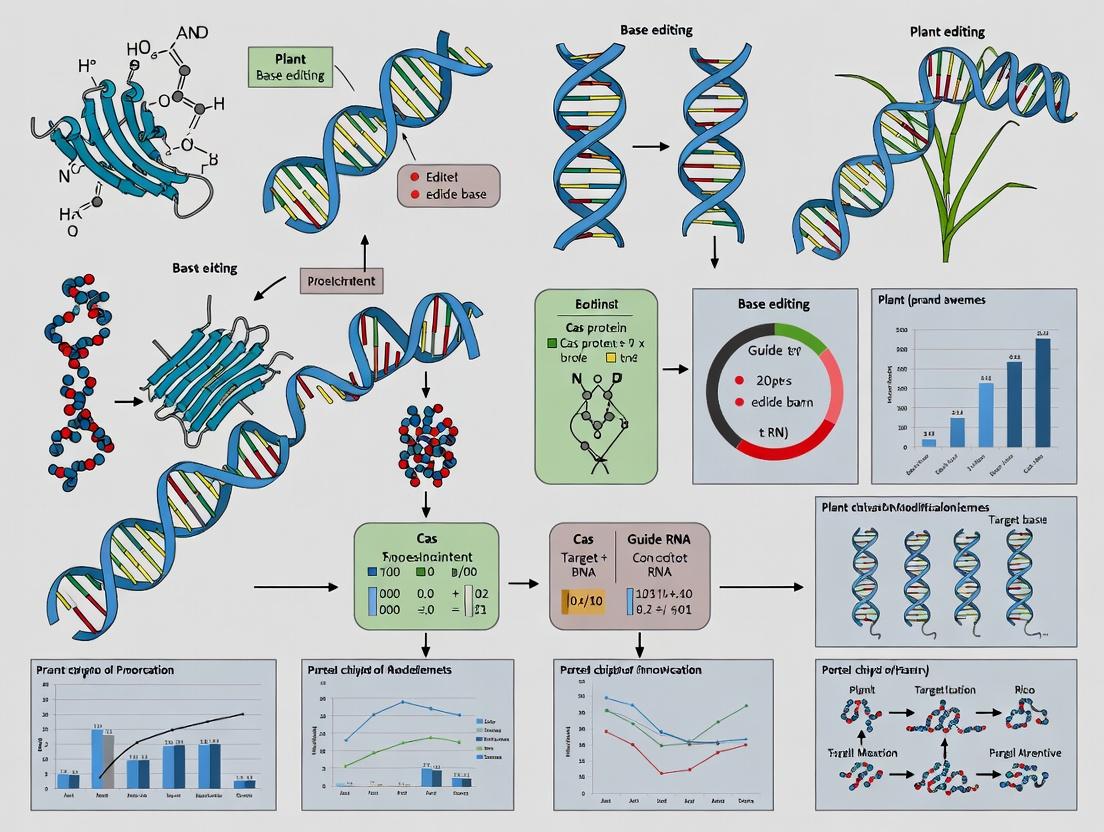
This article provides a detailed, up-to-date guide to base editing in rice, tailored for researchers and scientists in agricultural biotechnology and drug development.
Precision Genome Editing in Rice: A Comprehensive Guide to Base Editing Protocols for Researchers
Abstract
This article provides a detailed, up-to-date guide to base editing in rice, tailored for researchers and scientists in agricultural biotechnology and drug development. It covers the foundational principles of cytosine and adenine base editors (CBEs and ABEs), presents step-by-step methodologies for protoplast and plant transformation, addresses common troubleshooting and optimization challenges, and offers frameworks for rigorous validation and comparison of editing outcomes. The scope integrates current tools, delivery systems, and applications for precise trait development.
Understanding Base Editing in Rice: Core Principles, Editor Architectures, and Target Selection
Within the thesis context of developing robust base editing protocols for rice research, this application note details the fundamental advantage of base editors (BEs) over conventional CRISPR-Cas9 nuclease systems. For researchers and drug development professionals, the ability to install precise point mutations without inducing double-strand breaks (DSBs) is transformative. DSBs trigger unpredictable repair pathways—primarily error-prone non-homologous end joining (NHEJ)—leading to indels and complex rearrangements. Base editors, fusing a catalytically impaired Cas protein (Cas9 nickase or dead Cas9) to a nucleobase deaminase enzyme, directly convert one base pair to another at a target site without DSBs, enabling high-efficiency, clean edits critical for functional gene analysis and trait development in rice.
Core Mechanisms & Quantitative Comparison
Base editors function through a stepwise mechanism: 1) programmable DNA binding, 2) local DNA strand separation (R-loop formation), 3) deamination of a specific nucleobase within a narrow editing window, and 4) DNA repair or replication to fix the change. Two primary classes are Cytosine Base Editors (CBEs) for C•G to T•A conversions and Adenine Base Editors (ABEs) for A•T to G•C conversions. Recent advances include dual-function editors and improved specificity variants.
Table 1: Comparison of CRISPR-Cas9 Nuclease vs. Base Editing Outcomes in Rice Protoplasts
| Parameter | CRISPR-Cas9 Nuclease (SpCas9) | Cytosine Base Editor (BE4) | Adenine Base Editor (ABE8e) |
|---|---|---|---|
| Primary Product | Indels (insertions/deletions) | C•G to T•A point mutation | A•T to G•C point mutation |
| Double-Strand Break | Yes | No | No |
| Typical Efficiency in Rice* | 5-30% (HDR for point mutation) | 30-70% (point mutation) | 20-60% (point mutation) |
| Precision | Low for point mutations | High (minimal indels) | High (minimal indels) |
| Common Byproducts | Large deletions, translocations | Off-target deamination, C•G to G•C, C•G to A•T | Minimal reported byproducts |
| Editing Window | N/A | Approx. positions 4-8 (protospacer) | Approx. positions 4-8 (protospacer) |
*Data compiled from recent rice studies (2023-2024). Efficiency is product percentage as measured by NGS of transfected protoplasts or regenerated plants.
Application Notes for Rice Research
Target Selection and gRNA Design
For rice, the editing window is paramount. Design gRNAs to position the target nucleobase (C for CBE, A for ABE) within positions 4-8 (1-based, counting from the distal PAM end). Avoid multiple targetable bases within the window to minimize bystander mutations. Rice codon-optimized versions of BE/ABE constructs are recommended for higher expression. Always check for potential off-target sites in the rice genome with sequence homology to the seed region of the gRNA.
Delivery and Validation
- Delivery: For rapid testing, use polyethylene glycol (PEG)-mediated transfection of rice protoplasts with BE plasmid and gRNA. For stable plant generation, Agrobacterium-mediated transformation of embryogenic calli is standard.
- Validation: PCR-amplify the target region from genomic DNA. Initial screening can use derived Cleavage-Amplified Polymorphic Sequence (dCAPS) or PCR-RFLP assays if the edit creates/disrupts a restriction site. Sanger sequencing of cloned amplicons or Next-Generation Sequencing (NGS) of pooled PCR products is essential for quantifying efficiency and identifying bystander edits.
Detailed Experimental Protocols
Protocol 4.1: Rapid Evaluation of Base Editor Efficiency in Rice Protoplasts
Objective: To assess the on-target editing efficiency and product purity of a designed BE/gRNA combination in rice protoplasts within 72 hours.
Materials: See "The Scientist's Toolkit" below.
Methodology:
- gRNA Cloning: Clone a pair of annealed oligos encoding your target 20-nt spacer sequence into a U3 or U6 rice promoter-driven gRNA expression vector at the BsaI site.
- Protoplast Isolation: Isolate protoplasts from etiolated shoots of 10-14 day old rice seedlings (e.g., Nipponbare) using enzymatic digestion (1.5% Cellulase R10, 0.75% Macerozyme R10 in 0.6M mannitol).
- Co-transfection: Co-precipitate 10-20 µg of BE expression plasmid and 10-20 µg of gRNA plasmid with 200 µL of isolated protoplasts (density ~2x10^6/mL) using 40% PEG-4000 solution. Incubate at room temperature for 15-30 minutes.
- Culture & Harvest: Wash protoplasts, culture in liquid KM8 medium in the dark at 28°C for 48-72 hours. Harvest protoplasts by centrifugation.
- Genomic DNA Extraction: Use a CTAB-based or commercial kit to extract gDNA.
- PCR Amplification: Design primers ~150-250 bp flanking the target site. Perform PCR with high-fidelity polymerase.
- Analysis:
- NGS: Purify PCR products, prepare sequencing libraries, and perform high-depth amplicon sequencing (e.g., Illumina MiSeq). Analyze with tools like CRISPResso2 or BE-Analyzer.
- Sanger & Decomposition: Purify PCR product and submit for Sanger sequencing. Analyze chromatograms using decomposition tools (e.g., TIDE, BE-Figure) to quantify editing percentages.
Protocol 4.2: Stable Rice Plant Generation viaAgrobacteriumTransformation
Objective: To generate stably edited, transgene-free rice plants using a BE system. Methodology:
- Construct Assembly: Assemble a binary vector containing the rice-codon optimized BE and the gRNA expression cassette. Using a tRNA-gRNA polycistronic system for multiple gRNAs is recommended.
- Agrobacterium Transformation: Transform the vector into *Agrobacterium tumefaciens strain EHA105.
- Rice Callus Transformation: Infect embryogenic calli derived from mature seeds with the Agrobacterium culture. Co-cultivate on solid media for 3 days.
- Selection & Regeneration: Transfer calli to selection media containing hygromycin (or relevant antibiotic) to select for transformed cells. Regenerate shoots and then roots on appropriate hormonal media.
- Genotyping (T0 Plant): Isolate leaf genomic DNA. Perform PCR/sequencing as in Protocol 4.1 to identify edited events. Screen for the presence of the transgene using primers specific to the BE cassette.
- Segregation (T1 Generation): Grow T1 seeds from a transgene-positive, edited T0 plant. Genotype individual seedlings to identify lines that have lost the BE transgene through segregation but retain the homozygous edit.
Visualizations
Diagram 1: DSB vs DSB-Free Editing Pathways
Diagram 2: CBE and ABE Molecular Mechanism
The Scientist's Toolkit: Research Reagent Solutions
Table 2: Essential Materials for Base Editing Experiments in Rice
| Item | Function in Protocol | Example Product/Supplier |
|---|---|---|
| Base Editor Plasmids | Provides the BE protein (CBE or ABE) under a plant promoter (e.g., ZmUbi, OsActin). | pnCas9-PBE, pABE8e (Addgene). Rice-codon optimized versions from literature. |
| gRNA Expression Vector | Drives expression of the target-specific guide RNA from a rice U3/U6 Pol III promoter. | pRGEB32 (Ubi:BE + gRNA scaffold), pYLgRNA-OsU3 (for modular cloning). |
| High-Fidelity Polymerase | Accurate PCR amplification of target loci for sequencing analysis. | KAPA HiFi, Phusion (Thermo Fisher). |
| Protoplast Isolation Enzymes | Digest rice cell wall to release protoplasts for transient assays. | Cellulase R10, Macerozyme R10 (Yakult). |
| PEG-4000 (40% w/v) | Facilitates plasmid DNA uptake into protoplasts during transfection. | Polyethylene Glycol 4000 (Sigma). |
| Agrobacterium Strain | Vector for stable transformation of rice callus. | A. tumefaciens EHA105, LBA4404. |
| Plant DNA Extraction Kit | Rapid, pure genomic DNA isolation from rice leaves or callus. | DNeasy Plant Mini Kit (Qiagen), CTAB method reagents. |
| NGS Amplicon-EZ Service | High-depth sequencing for precise quantification of editing efficiency and byproducts. | Genewiz, Azenta. |
| CRISPR Analysis Software | Quantifies editing percentages and identifies byproducts from NGS or Sanger data. | CRISPResso2, BE-Analyzer, EditR. |
Within the context of developing robust base editing protocols for rice (Oryza sativa), a detailed understanding of the core architectural components is essential. This document provides a comparative analysis and experimental workflows for three pivotal systems: cytosine base editors (CBEs) utilizing APOBEC deaminases, adenine base editors (ABEs) utilizing engineered tRNA adenosine deaminases (TadA), and emerging RNA base editors utilizing ADAR deaminases. The strategic use of Cas9 nickase (nCas9) variants and uracil DNA glycosylase inhibitor (UGI) is critical to the efficiency and product purity of DNA base editors.
Core Architecture Comparison
Table 1: Comparative Summary of Major Base Editor Architectures for Plant Research
| Architecture | Core Deaminase | Cas9 Variant | Key Accessory | Primary Edit | Protospacer Adjacent Motif (PAM) | Typical Window (bp from PAM) | Reported Max Efficiency in Plants* | Primary Fidelity Concern |
|---|---|---|---|---|---|---|---|---|
| Cytosine Base Editor (CBE) | rAPOBEC1, hAID, PmCDA1 | D10A nCas9 (SpCas9) | UGI (single or tandem) | C•G to T•A | NGG (SpCas9) | Positions 4-8 (C4-C8) | ~50-70% in rice callus | Off-target DNA edits; random indels. |
| Adenine Base Editor (ABE) | TadA-8e (evolved) | D10A nCas9 (SpCas9) | None | A•T to G•C | NGG (SpCas9) | Positions 4-8 (A4-A8) | ~60-80% in rice callus | RNA off-target activity (TadA-8e). |
| Dual Base Editor (CBE+ABE) | rAPOBEC1 + TadA-8e | D10A nCas9 (SpCas9) | UGI | C-to-T & A-to-G | NGG (SpCas9) | C: 4-8; A: 4-8 | ~40% (C) & ~30% (A) in rice protoplasts | Complex product distribution; increased off-target risk. |
| RNA Base Editor | ADAR2 (catalytic domain) | dCas13 (e.g., dCas13b) | None (fused directly) | Adenosine (A) to Inosine (I) | N/A (targets RNA) | Variable, based on guide RNA | >80% transcript editing (transient protoplasts) | Persistent off-target transcript editing. |
*Efficiencies are highly dependent on target site, delivery method, and tissue type. Values represent transient expression in protoplasts or stable transformation in calli.
The Scientist's Toolkit: Research Reagent Solutions for Rice Base Editing
Table 2: Essential Reagents for Rice Base Editing Experiments
| Reagent / Material | Function / Purpose | Example Product / Note |
|---|---|---|
| nCas9(D10A)-CBE/ABE Plasmid | Expresses the base editor fusion protein. Contains plant-specific promoter (e.g., ZmUbi), NLS, deaminase, nCas9, and terminator. | pnCas9-PBE (for rice), Addgene # XXXXX |
| sgRNA Expression Vector | Expresses the target-specific single guide RNA. Uses a Pol III promoter (e.g., OsU6 or OsU3). | pRGEB32-based vector, with BsaI sites for cloning. |
| Agrobacterium Strain | For stable rice transformation via callus inoculation. | EHA105 or LBA4404 (Ti plasmid disarmed). |
| Rice Callus Induction Media | Induces embryogenic callus from mature seeds for transformation. | N6-based media with 2,4-D. |
| Selection Agent | Selects for transformed cells post-Agrobacterium co-culture. | Hygromycin B (50 mg/L) or Geneticin (G418). |
| UGI Protein / Expression Plasmid | Critical for CBE systems. Inhibits host uracil DNA glycosylase, preventing C•G to G•C or T•A transversion byproducts. | Can be expressed as a tandem repeat fused to CBE. |
| High-Fidelity DNA Polymerase | For amplification of genomic target loci for sequencing analysis. | KAPA HiFi HotStart, Phusion Flash. |
| T7 Endonuclease I or ICE Analysis | For initial, rapid screening of editing efficiency and indel formation. | Surveyor Mutation Detection Kit; Synthego ICE tool. |
| Sanger Sequencing Primers | Flank the target region (~500bp amplicon) for sequencing to confirm edits. | Designed ~250bp upstream/downstream of target window. |
Experimental Protocols
Protocol: Agrobacterium-mediated Stable Base Editing in Rice (CBE/ABE)
Objective: To generate stably transformed, base-edited rice plants via Agrobacterium-mediated transformation of embryogenic callus.
Materials:
- Japonica rice seeds (e.g., Nipponbare).
- Base Editor and sgRNA expression plasmids (see Table 2).
- Agrobacterium tumefaciens strain EHA105.
- N6D, N6-AS, 2N6-AS, N6-1S, N6-3S, and 1/2N6-3S media (standard rice transformation protocols).
Method:
- Vector Construction: Clone a 20-nt target-specific spacer sequence into the sgRNA expression vector via BsaI Golden Gate assembly. Verify by sequencing.
- Agrobacterium Preparation:
- Co-transform or sequentially transform the base editor and sgRNA vectors into Agrobacterium EHA105 via electroporation.
- Select single colonies on YEP plates with appropriate antibiotics (e.g., rifampicin, spectinomycin, kanamycin).
- Rice Callus Induction & Preparation:
- Surface-sterilize mature rice seeds and place on N6D callus induction medium. Incubate at 28°C in the dark for 4 weeks.
- Select proliferating, yellowish, compact embryogenic calli.
- Agrobacterium Co-culture:
- Inoculate a single Agrobacterium colony in liquid YEP with antibiotics. Grow to OD600 ~1.0.
- Pellet bacteria and resuspend in an equal volume of liquid N6-AS medium (with 100 µM acetosyringone).
- Submerge selected calli in the bacterial suspension for 30 minutes. Blot dry and place on co-culture medium (N6-AS solid plates). Incubate in the dark at 22°C for 3 days.
- Resting & Selection:
- Transfer calli to resting medium (N6-1S + cefotaxime, no selection) for 7 days in the dark at 28°C.
- Transfer calli to selection medium (N6-3S + hygromycin/G418 + cefotaxime). Subculture to fresh selection plates every 2 weeks for 2-3 cycles.
- Regeneration:
- Transfer resistant, proliferating calli to pre-regeneration medium (1/2N6-3S) for 1 week.
- Transfer to regeneration medium under a 16h light/8h dark photoperiod at 26°C.
- Develop plantlets are transferred to rooting medium and subsequently to soil.
- Genotyping & Analysis:
- Extract genomic DNA from regenerated plant leaves (T0 generation).
- PCR amplify the target region. Sequence by Sanger or Next-Generation Sequencing (NGS).
- Analyze chromatograms (for Sanger) or NGS data to determine base conversion efficiency and identify precisely edited lines.
Protocol: Rapid Assessment of Base Editor Efficiency in Rice Protoplasts
Objective: To transiently express base editors and quantify editing efficiency within 48-72 hours, enabling rapid screening of sgRNA efficacy.
Materials:
- Rice protoplasts isolated from etiolated seedlings or cell suspension cultures.
- PEG-Ca2+ transformation solution (40% PEG4000, 0.2M mannitol, 0.1M CaCl2).
- Base editor and sgRNA plasmids purified with endotoxin-free kits.
- MMg solution (0.4M mannitol, 15mM MgCl2, 4mM MES, pH 5.7).
Method:
- Protoplast Isolation:
- Slice leaf sheaths of 10-14 day old dark-grown seedlings into 0.5mm strips.
- Digest in enzyme solution (1.5% Cellulase R10, 0.75% Macerozyme R10, 0.6M mannitol, 10mM MES, pH5.7, 10mM CaCl2, 0.1% BSA) for 5-6 hours in the dark with gentle shaking.
- Filter through a 35-75µm mesh, wash with W5 solution (154mM NaCl, 125mM CaCl2, 5mM KCl, 2mM MES, pH5.7), and pellet at 100 x g.
- PEG-mediated Transformation:
- Resuspend protoplasts (~2x10^5 cells) in 100µL MMg solution.
- Add 10-20µg total plasmid DNA (base editor + sgRNA constructs at a 1:1 molar ratio). Mix gently.
- Add an equal volume (110-120µL) of PEG-Ca2+ solution. Mix by gentle inversion and incubate at room temperature for 15-30 minutes.
- Dilute slowly with 1mL W5 solution, then with 2mL more. Pellet protoplasts at 100 x g for 5 minutes.
- Incubation & Harvest:
- Resuspend protoplasts in 2mL incubation solution (0.6M mannitol, 4mM MES, pH5.7, 4mM KCl). Incubate in the dark at 28°C for 48-72 hours.
- Pellet protoplasts and extract genomic DNA using a quick lysis buffer or commercial kit.
- Analysis:
- PCR amplify the target region. Submit for NGS (amplicon-seq) for quantitative assessment of C-to-T or A-to-G conversion rates within the editing window. Analyze using tools like CRISPResso2 or BEAT.
Visualizations
Title: Cytosine Base Editor (CBE) Core Architecture
Title: Decision Workflow for Selecting ABE vs CBE in Rice
Title: Role of UGI in Preventing Undesired Repair Outcomes
Base editing technologies enable precise, programmable nucleotide conversions without requiring double-stranded DNA breaks. In rice, Cytosine Base Editors (CBEs) catalyze C•G to T•A conversions, while Adenine Base Editors (ABEs) facilitate A•T to G•C changes. These tools are revolutionizing functional genomics and precision breeding.
Table 1: Leading Cytosine Base Editors (CBEs) for Rice
| Base Editor Name | Deaminase Domain | Cas Nickase Backbone | Key Modifications/Targets | Typical Editing Window (PAM: NGG) | Reported Max Efficiency in Rice (%) | Key References |
|---|---|---|---|---|---|---|
| rAPOBEC1-nCas9 | rAPOBEC1 | SpCas9(D10A) | Canonical CBE | Protospacer positions 4-8 | ~43.5 | Zong et al., 2017 |
| AID-nCas9 | AID | SpCas9(D10A) | Alternative deaminase | Positions 3-9 | ~26.1 | Zong et al., 2017 |
| hA3A-nCas9-UGI | hA3A (human APOBEC3A) | SpCas9(D10A) | Enhanced activity on methylated DNA, lower off-target | Positions 3-9 | ~22.5 | Zong et al., 2018 |
| BE3 | rAPOBEC1 | SpCas9(D10A) | +UGI to inhibit BER | Positions 4-8 | ~20 | Li et al., 2018 |
| eBE | rAPOBEC1 | SpCas9(D10A) | Engineered deaminase, widened window | Positions 2-10 | Up to ~50 | Ren et al., 2021 |
| Target-AID | pmCDA1 | SpCas9(D10A) | Uses sea lamprey cytidine deaminase | Positions 2-6 | ~18 | Shimatani et al., 2017 |
| evoBE4max | evoFERNY | SpCas9(D10A) | Evolved deaminase, high on-target & low off-target | Positions 3-10 | Up to ~71.2 | Ma et al., 2024 |
Table 2: Leading Adenine Base Editors (ABEs) for Rice
| Base Editor Name | Deaminase Domain | Cas Nickase Backbone | Key Modifications | Typical Editing Window (PAM: NGG) | Reported Max Efficiency in Rice (%) | Key References |
|---|---|---|---|---|---|---|
| ABE7.10 | TadA*(TadA wild-type dimer) | SpCas9(D10A) | First-generation ABE | Protospacer positions 4-7 | ~26 | Zong et al., 2017 |
| ABEmax | TadA-8e (evolved) | SpCas9(D10A) | Enhanced deaminase activity | Positions 4-8 | Up to ~55 | Hua et al., 2018 |
| ABE8e | TadA-8e (further evolved) | SpCas9(D10A) | Increased activity & speed | Positions 3-10 | Up to ~70 | Richter et al., 2020 |
| ABE8s | TadA-8s (high-fidelity) | SpCas9(D10A) | Improved specificity, reduced off-target | Positions 4-10 | ~58 | Gaudelli et al., 2020 |
| ABE9e | TadA-9e | SpCas9(D10A) | Latest evolution, very high on-target efficiency | Positions 2-12 | Up to ~80.5 | Chen et al., 2023 |
Table 3: PAM-Compatibility Expanded Base Editors for Rice
| Base Editor Name | Base Editor Type | Cas Variant | Recognized PAM | Application in Rice | Reference |
|---|---|---|---|---|---|
| CBE-SpRY | CBE | SpRY (near PAM-less) | NRN > NYN | Broad targeting scope | Ren et al., 2021 |
| ABE-SpRY | ABE | SpRY (near PAM-less) | NRN > NYN | Broad targeting scope | Ren et al., 2021 |
| NG-BE3 | CBE | SpCas9-NG | NG | Expanded targeting | Qin et al., 2020 |
| xABE | ABE | xCas9(3.7) | NG, GAA, GAT | Flexible PAM recognition | Zhong et al., 2019 |
Detailed Protocols
Protocol 1: Designing gRNAs and Construct Assembly for Rice Base Editing
Objective: Design and clone single-guide RNA (sgRNA) expression cassettes for CBE/ABE experiments in rice.
Materials:
- Target rice genomic DNA sequence.
- Bioinformatics tools (CRISPR-P 2.0, BE-DESIGN).
- Plasmid backbones: e.g., pRGEB32 (CBE), pRGEB31 (ABE) or similar.
- PCR reagents, restriction enzymes (BsaI), T4 DNA Ligase.
- E. coli competent cells.
Procedure:
- Target Selection: Identify target site within gene of interest. Ensure presence of a canonical NGG PAM (or variant PAM for engineered Cas) and that the desired editable base (C or A) is within the editing window (typically positions 4-10 for SpCas9-based editors).
- gRNA Design: Design a 20-nt spacer sequence immediately 5' to the PAM. Check for potential off-targets using rice-specific databases (e.g., RiceGE). Select the top 2-3 candidates.
- Oligo Annealing: Synthesize forward and reverse oligos (5'-GATTG-20nt spacer-3'; 5'-AAAC-20nt spacer reverse complement-3'). Anneal by mixing oligos, heating to 95°C for 5 min, and slowly cooling.
- Golden Gate Cloning: Digest the BsaI sites in the base editor plasmid backbone. Ligate the annealed oligo duplex into the vector using BsaI-compatible overhangs.
- Transformation: Transform ligation product into E. coli, screen colonies by colony PCR or restriction digest, and sequence-validate the cloned sgRNA.
Protocol 2: Rice Protoplast Transfection for Rapid Base Editor Validation
Objective: Rapidly assess base editing efficiency and specificity in rice protoplasts before stable transformation.
Materials:
- Rice seedlings (10-14 days old).
- Enzyme solution (1.5% Cellulase RS, 0.75% Macerozyme R10, 0.6M mannitol, pH 5.7).
- PEG-Calcium solution (40% PEG4000, 0.2M mannitol, 0.1M CaCl2).
- Base editor plasmid (CBE or ABE) and a GFP reporter plasmid.
- MMG solution (0.6M mannitol, 15mM MgCl2, 4mM MES, pH 5.7).
Procedure:
- Protoplast Isolation: Slice etiolated rice leaf sheaths into 0.5mm strips. Digest in enzyme solution for 6 hours in the dark with gentle shaking.
- Purification: Filter digest through 40μm mesh. Wash protoplasts 3x with W5 solution by centrifugation (100xg, 2 min).
- Transfection: Resuspend protoplast pellet (~2x10⁵ cells) in MMG. Add 10μg base editor plasmid + 5μg GFP plasmid. Add equal volume PEG-Calcium, mix gently, incubate 15 min.
- Recovery: Stop reaction with W5, wash, and resuspend in WI solution. Incubate in the dark for 48-72 hours.
- Analysis: Isolate genomic DNA from protoplasts. Amplify target region by PCR and subject to Sanger sequencing. Use decomposition tools (EditR, BE-Analyzer) or deep sequencing to calculate editing efficiency.
Protocol 3:Agrobacterium-Mediated Stable Transformation of Rice Callus
Objective: Generate stable, heritable base-edited rice lines.
Materials:
- Agrobacterium tumefaciens strain EHA105 or LBA4404 harboring base editor binary vector.
- Mature rice seeds (e.g., Nipponbare).
- N6-based callus induction and co-cultivation media.
- Selection media with hygromycin.
- Regeneration media.
Procedure:
- Callus Induction: Dehusk seeds, sterilize, and plate on N6D callus induction medium. Culture in dark at 28°C for 3-4 weeks. Select embryogenic calli.
- Agrobacterium Preparation: Grow Agrobacterium carrying the base editor plasmid to OD600 ~0.8 in liquid medium with antibiotics. Pellet and resuspend in AAM suspension medium.
- Co-cultivation: Immerse calli in Agrobacterium suspension for 15-30 min. Blot dry and place on co-cultivation medium (N6D + 100μM acetosyringone). Incubate in dark at 22°C for 3 days.
- Selection & Regeneration: Wash calli with sterile water + cefotaxime to kill Agrobacterium. Transfer to selection medium (N6D + hygromycin + cefotaxime) for 4 weeks, subculturing every 2 weeks. Transfer resistant calli to pre-regeneration, then regeneration media.
- Plantlet Generation & Genotyping: Transfer regenerated shoots to rooting medium. Acclimatize plantlets to soil. Extract genomic DNA from leaf tissue. Perform PCR/sequencing on T0 plants to identify edits. Assess editing efficiency, purity (homozygous/heterozygous/biallelic), and potential indels.
Visualizations
Title: CBE and ABE Molecular Workflow Diagrams
Title: Base Editor Selection Decision Tree for Rice
The Scientist's Toolkit: Research Reagent Solutions
Table 4: Essential Materials for Rice Base Editing Experiments
| Item Name | Category | Example Product/Supplier | Function in Experiment |
|---|---|---|---|
| Base Editor Plasmids | Core Reagents | pRGEB31 (ABEmax), pRGEB32 (BE3), Addgene # and commercial vectors. | Delivery of the base editor machinery (Cas9 nickase + deaminase + UGI (for CBE) + sgRNA) into plant cells. |
| gRNA Cloning Kit | Molecular Cloning | BsaI-cut ready vector, oligo annealing mix, T4 Ligase (NEB). | For rapid and efficient assembly of sgRNA expression cassettes into the base editor backbone. |
| High-Fidelity PCR Mix | Genotyping | KAPA HiFi HotStart ReadyMix, Q5 High-Fidelity DNA Polymerase (NEB). | Accurate amplification of target genomic loci for sequencing analysis of editing outcomes. |
| Next-Generation Sequencing Kit | Analysis | Illumina TruSeq Custom Amplicon, Twist Custom Panels. | For deep sequencing to quantify base editing efficiency, assess purity, and detect rare off-target events. |
| Agrobacterium Strain | Plant Transformation | A. tumefaciens EHA105, LBA4404. | Vector for stable integration of base editor constructs into the rice genome via callus transformation. |
| Rice Callus Induction Media | Tissue Culture | N6D Medium (N6 salts, 2,4-D, sucrose, agar). | Induces formation of embryogenic callus from mature rice seeds, the starting material for transformation. |
| Selection Antibiotic | Tissue Culture | Hygromycin B, Geneticin (G418). | Selects for plant cells that have successfully integrated the T-DNA carrying the base editor and selectable marker. |
| Acetosyringone | Transformation | 3',5'-Dimethoxy-4'-hydroxyacetophenone (Sigma-Aldrich). | Phenolic compound that induces Agrobacterium vir gene expression, enhancing T-DNA transfer during co-cultivation. |
| Protoplast Isolation Enzymes | Transient Assay | Cellulase RS, Macerozyme R10 (Yakult). | Digest plant cell walls to release protoplasts for rapid, transient transfection and base editor validation. |
| Edit Analysis Software | Bioinformatics | BE-Analyzer, CRISPResso2, EditR (Addgene). | Computationally analyzes Sanger or NGS sequencing data to quantify base editing percentages and identify byproducts. |
Within the broader thesis on developing robust base editing protocols for rice (Oryza sativa) research, the initial selection of target sites is the most critical determinant of experimental success. This application note details the current criteria for identifying optimal target sequences and assessing Protospacer Adjacent Motif (PAM) compatibility for both cytosine base editors (CBEs) and adenine base editors (ABEs) in rice. Effective target selection maximizes editing efficiency, minimizes off-target effects, and ensures the desired phenotypic outcome.
Key Criteria for Target Site Selection
Optimal target site selection balances multiple, often competing, factors. The following quantitative criteria are synthesized from recent literature and experimental data.
Table 1: Quantitative Criteria for Optimal Target Site Selection in Rice
| Criterion | Optimal Range/Value | Rationale & Impact on Efficiency |
|---|---|---|
| PAM Position | Within 18 bp of target base (C for CBE, A for ABE) | Editing window is typically positions 4-8 (CBE) or 4-10 (ABE) within the protospacer, relative to the PAM. |
| GC Content | 40-60% | Lower GC can reduce gRNA stability; higher GC may increase off-target binding. |
| On-Target Efficiency Score | >60 (using tools like CRISPR-P 2.0 or CHOPCHOP) | Predictive score based on sequence features; higher score correlates with increased editing rate. |
| Off-Target Potential | ≤3 potential genomic sites with ≤3 mismatches | Minimizes unintended edits. Requires exhaustive genome-wide search. |
| Target Base Context | Avoid poly-C or poly-A stretches (>3) | Reduces potential for multi-base edits and unpredictable outcomes. |
| Genomic Accessibility | Open chromatin regions (DNase I hypersensitive) | Increases gRNA and editor complex access to the DNA. |
Table 2: Common Base Editor Systems and PAM Compatibilities for Rice
| Editor System | Commonly Used Variant in Rice | Cas Protein | Required PAM | Typical Editing Window |
|---|---|---|---|---|
| Cytosine Base Editor (CBE) | rAPOBEC1-nCas9-PmCDA1 | SpCas9 (nCas9) | NGG | Protospacer positions 4-8 |
| CBE | A3A-PBE | SpCas9 (nCas9) | NGG | Positions 4-8 |
| Adenine Base Editor (ABE) | ABE7.10 | SpCas9 (nCas9) | NGG | Protospacer positions 4-10 |
| CBE/ABE (Expanded PAM) | BE4max-SpRY | SpRY (near PAM-less) | NRN (prefers) > NYN | Broadened, less PAM-restricted |
Experimental Protocol: In Silico Target Site Selection and Validation Workflow
Protocol Title: Comprehensive Computational Pipeline for Selecting Rice Base Editing Targets.
Objective: To identify and prioritize high-probability target sites for adenine or cytosine base editing in a rice gene of interest.
Materials & Software:
- Rice reference genome (IRGSP-1.0 or relevant cultivar genome).
- Gene sequence of the target locus.
- Bioinformatics tools: CRISPR-P 2.0, CHOPCHOP, Cas-OFFinder, UCSC Genome Browser (for chromatin data).
Methodology:
- Sequence Retrieval: Obtain the full genomic DNA sequence, including at least 500 bp upstream and downstream of the target region, from Ensembl Plants or Rice Genome Annotation Project.
- PAM Identification: For standard SpCas9-derived editors, scan the sense and antisense strands for all NGG PAM sequences. For SpRY-based editors, scan for all NRN and NYN sites.
- gRNA Design: For each PAM, extract the 20-nt protospacer sequence immediately 5'.
- On-Target Scoring: Input each 20-nt gRNA sequence into CRISPR-P 2.0 (rice-specific) to obtain an efficiency score. Filter for scores >60.
- Off-Target Analysis: Submit filtered gRNA sequences to Cas-OFFinder. Set parameters: rice genome, up to 3 mismatches. Manually inspect all hits with ≤3 mismatches in exonic or functionally important regions. Discard gRNAs with high-risk off-target sites.
- Target Base Positioning: For each candidate gRNA, map the desired target base (C or A) within the protospacer. Confirm it lies within the optimal editing window (positions 4-10 for ABE, 4-8 for CBE) relative to the PAM.
- Context Evaluation: Check the sequence surrounding the target base. Avoid candidates where the target base is within a homopolymer run (e.g., AAAA, CCCC). Evaluate local GC content.
- Chromatin Accessibility Check (Optional but Recommended): Visualize the target region on the UCSC Genome Browser using public DNase-seq or ATAC-seq data from rice tissues relevant to your study. Prioritize targets in open chromatin regions.
- Final Prioritization: Rank candidates based on a composite score: high on-target score, zero high-risk off-targets, optimal target base position, and favorable sequence context.
Visualizations
Title: Computational Target Selection Workflow
Title: Base Editing Window Relative to PAM
The Scientist's Toolkit: Research Reagent Solutions
Table 3: Essential Materials for Target Selection and Validation in Rice Base Editing
| Item / Reagent Solution | Function / Application | Example Product / Source |
|---|---|---|
| High-Fidelity DNA Polymerase | Amplification of target genomic loci for cloning and sequencing validation. | PrimeSTAR GXL DNA Polymerase (Takara) |
| Cloning Kit for gRNA Expression Vector | Efficient assembly of synthesized oligos into rice-specific gRNA expression cassettes (e.g., pRGEB32 backbone). | Golden Gate Assembly Kit (BsaI) |
| Rice-Specific gRNA Design Tool | Predicts on-target efficiency using rice-specific models. | CRISPR-P 2.0 (Website) |
| Off-Target Prediction Tool | Genome-wide search for potential off-target sites in the rice genome. | Cas-OFFinder (Website) |
| Sanger Sequencing Service | Confirmation of plasmid constructs and preliminary editing efficiency in calli. | In-house or commercial providers |
| Next-Generation Sequencing Kit | Deep sequencing of PCR amplicons for unbiased quantification of editing efficiency and off-target analysis. | Illumina MiSeq Reagent Kit v3 |
| Rice Callus Induction Media | Growth of transformed rice calli for initial editing validation. | N6-based media with 2,4-D |
| Uracil-DNA Glycosylase (UDG) | Used in certain PCR protocols to reduce carryover contamination in high-sensitivity editing detection. | USER Enzyme (NEB) |
Application Notes
The integration of base editing into rice functional genomics and precision breeding requires the systematic identification of causal SNPs underlying key agronomic traits. This protocol outlines a bioinformatic and experimental pipeline for discovering and prioritizing SNPs for cytidine (CBE) or adenine (ABE) base editor intervention, framed within a thesis focused on developing base editing protocols for rice.
Core Principles: The pipeline moves from population-scale genetic analysis to in silico prediction of editability and finally to validation. The goal is to translate natural allelic variation into precise edits that recapitulate superior haplotypes. Recent advances (2023-2024) highlight the use of pangenome references and machine learning to overcome reference bias in SNP discovery and to predict editing outcomes with higher accuracy.
Protocols
Protocol 1: Genome-Wide Association Study (GWAS) for SNP-Trait Association
Objective: Identify SNPs statistically associated with target agronomic traits (e.g., grain length, blast resistance, drought tolerance) from a diverse rice population.
Materials:
- Plant Material: 300+ diverse rice accessions (e.g., from IRRI SPRP or 3K RG).
- Genotypic Data: Whole-genome sequencing (WGS) or high-density SNP array data.
- Phenotypic Data: High-quality, replicated trait measurements.
- Software: PLINK, GAPIT, GEMMA, or TASSEL.
Method:
- Data QC: Filter genotypes for minor allele frequency (MAFCall Rate >90%).
- Population Structure: Calculate kinship matrix and principal components (PCs) to control for false positives.
- Association Testing: Perform mixed linear model (MLM) analysis:
Phenotype ~ SNP + Kinship + PCs. - Significance Threshold: Apply a false discovery rate (FDR) correction. Use -log₁₀(P) > 6 (for rice) as a suggestive threshold.
- Candidate Region Definition: Identify associated SNPs and define genomic intervals (e.g., lead SNP ± 200 kb).
Table 1: Example GWAS Output for Grain Weight
| Trait | Lead SNP (Chr:Position) | P-value | Effect Size | MAF | Candidate Gene Within Interval |
|---|---|---|---|---|---|
| Thousand Grain Weight | Chr5:5,267,893 | 2.5 x 10⁻¹² | +0.78g | 0.15 | OsSPL16 (GW8) |
| Grain Length | Chr3:16,543,221 | 8.7 x 10⁻⁹ | +0.23mm | 0.31 | OsGS3 |
| Blast Resistance | Chr11:20,456,112 | 1.1 x 10⁻¹⁰ | Log(OR)=2.4 | 0.08 | Pi-ta |
Protocol 2:In SilicoPrioritization of Editable SNPs
Objective: Filter associated SNPs to identify those which are (a) causal/functional and (b) theoretically editable by available base editors.
Materials: Reference genome (IRGSP-1.0 or MSU7), SNP annotation tools (SnpEff), PAM prediction scripts.
Method:
- Annotation: Annotate SNPs for genomic consequence (e.g., missense, nonsense, splice-site, promoter) using SnpEff.
- Causality Prediction: Integrate functional genomic data (ATAC-seq, RNA-seq, eQTL) to prioritize regulatory SNPs. For coding SNPs, use SIFT/PolyPhen to predict functional impact.
- Editability Filter:
- For C-to-T edits (CBE): Identify C•G to T•A SNPs. Check if the target C is within the editor's activity window (typically protospacer positions 4-10) and has an available NG, NGG, or other relaxed PAM (e.g., SpRY) sequence context.
- For A-to-G edits (ABE): Identify A•T to G•C SNPs. Check if the target A is within the activity window.
- gRNA Design: Design 20-nt spacer sequences for the protospacer, ensuring high on-target specificity (minimal off-targets via BLAST against rice genome) and no self-complementarity.
Table 2: Prioritization of GWAS SNPs for Base Editing
| Lead SNP | Consequence | Target Base Change | PAM Sequence (5'-3') | Editor Type | gRNA Spacer (5'-3') | Priority (1-5) |
|---|---|---|---|---|---|---|
| Chr5:5,267,893 | Missense (AAC→AUC) | C•G to T•A | CGG (Pos 21-23) | rAPOBEC1-nCas9-UGI | CTGCAGGACCTAGCCACGAG | 1 |
| Chr3:16,543,221 | Splice Acceptor | A•T to G•C | TGG (Pos 22-24) | TadA8e-nCas9 | GCTACGTGATCGCACTAGCT | 1 |
| Chr11:20,456,112 | Promoter Variant | C•G to T•A | GTT (Pos 18-20) | SpRY-CBE | TACGATTCCGAGCTAGCTAC | 3 |
Protocol 3:In PlantaValidation via Base Editing
Objective: Introduce the prioritized SNP into a recipient rice genotype (e.g., Kitaake) and validate trait modification.
Materials: Constructs: pRGEB32-CBE or ABE vector with cloned gRNA; Agrobacterium strain EHA105; Rice calli.
Method:
- Vector Assembly: Clone synthesized oligonucleotide duplexes of the gRNA spacer into the BsaI site of the base editor binary vector.
- Rice Transformation: Transform embryogenic calli via Agrobacterium-mediated method (standard protocol).
- Genotyping T₀ Plants: Extract DNA from regenerated shoots. PCR-amplify target region and sequence via Sanger. Identify plants with the desired base conversion (C-to-T or A-to-G) and assess for indels or bystander edits within the activity window.
- Phenotyping: Grow homozygous T₁/T₂ plants alongside controls in replicated trials. Measure the target agronomic trait.
- Off-Target Analysis: Perform whole-genome sequencing (WGS) on edited lines or use CIRCLE-seq to assay predicted off-target sites.
Diagrams
Title: Workflow for Identifying and Validating Editable SNPs
Title: Molecular Mechanism of SNP Correction via CBE
The Scientist's Toolkit: Research Reagent Solutions
Table 3: Essential Materials for SNP-to-Trait Base Editing Projects
| Item | Function & Rationale | Example Product/Reference |
|---|---|---|
| Rice Pangenome Reference | Enables comprehensive SNP discovery across diverse haplotypes, reducing reference bias. | Rice 3K RG Pangenome (RiceRC) |
| Base Editor Binary Vectors | All-in-one plasmids for plant transformation containing nCas9-deaminase fusion, gRNA scaffold, and plant selectable marker. | pRGEB32 (CBE), pnUE-ABEmax (ABE) for rice |
| Relaxed-PAM Cas9 Variant | Expands targeting scope to access SNPs in non-NGG PAM contexts. | SpRY-CBE or SpRY-ABE constructs |
| High-Fidelity Deaminase | Reduces bystander edits within the activity window, increasing product purity. | e.g., YE1-BE3-FNLS (CBE), TadA8e (ABE) |
| NGS-based Off-Target Assay | Comprehensively identifies genome-wide off-target effects of base editors. | CIRCLE-seq, GUIDE-seq adapted for plants |
| Rapid Genotyping Assay | Screens T₀/T₁ plants for precise base conversions without sequencing. | PCR-RFLP or ddPCR if edit creates/disrupts a restriction site |
| Phenotyping Platforms | Quantifies the agronomic trait of interest with high throughput and precision. | Image-based grain analyzers, chlorophyll fluorometers, etc. |
Step-by-Step Base Editing Protocols: From Vector Design to Regenerated Plants
This protocol, framed within a broader thesis on applying base editing for functional genomics and trait development in rice (Oryza sativa), provides a detailed workflow from single-guide RNA (sgRNA) design to the analysis of edited plants. Base editors (BEs), particularly cytosine base editors (CBEs) and adenine base editors (ABEs), enable precise, programmable single-base changes without creating double-strand breaks or requiring donor DNA templates. This is transformative for rice research, allowing for the introduction of agronomically valuable point mutations, the creation of stop codons, or the correction of deleterious SNPs.
Application Notes: Core Principles and Considerations
- Target Selection: Prioritize sites within a ~5-nucleotide window of the enzyme's activity window (typically positions 4-8 for SpCas9-derived BEs, counting the PAM as 21-23). Ensure the target base (C or A) is on the correct strand relative to the BE used.
- Base Editor Choice: Select CBE (e.g., BE4, hA3A-BE3) for C•G to T•A conversions or ABE (e.g., ABE8e) for A•T to G•C conversions. Consider variants with altered editing windows or reduced off-target activity.
- Delivery in Rice: For rice, Agrobacterium-mediated transformation of embryogenic callus is the most common delivery method for BE components. Transient expression systems or ribonucleoprotein (RNP) delivery are emerging alternatives.
- Analysis Complexity: Base edits are subtle and require sensitive genotyping methods (e.g., Sanger sequencing followed by decomposition tracing, or next-generation sequencing) to distinguish from background noise and to identify heterozygous or biallelic edits.
Detailed Experimental Protocol
Protocol 1: sgRNA Design and Vector Construction
Objective: Design and clone highly efficient, specific sgRNAs targeting the desired locus into a plant-optimized base editing vector. Materials: See "The Scientist's Toolkit" below. Methodology:
- Identify Target Sequence: Using the rice reference genome (e.g., IRGSP-1.0), locate the target genomic region. Identify potential PAM sequences (NGG for SpCas9).
- Design sgRNA: Select a 20-nt spacer sequence immediately 5' to the PAM. Ensure the target base (C for CBE, A for ABE) is within positions 4-10 of the spacer. Use algorithms (e.g., CRISPR-P 2.0, CHOPCHOP) to score and predict on-target efficiency and potential off-targets.
- Synthesize Oligonucleotides: Order a pair of complementary oligonucleotides corresponding to the spacer sequence with appropriate 5' overhangs for your chosen cloning system (e.g., BsaI sites for Golden Gate assembly).
- Anneal and Clone: Anneal oligos and ligate them into the BsaI-digited sgRNA expression scaffold (often a U6 or U3 promoter-driven cassette) within the base editor plasmid.
- Validate Construct: Verify the final plasmid by Sanger sequencing using a promoter-proximal primer.
Protocol 2: Rice Transformation and Regeneration
Objective: Deliver the base editing construct into rice cells and regenerate whole plants. Methodology (Based on Agrobacterium-mediated transformation):
- Callus Induction: Culture mature dehulled rice seeds on N6D callus induction medium for ~4 weeks.
- Co-cultivation: Infect embryogenic calli with Agrobacterium tumefaciens strain EHA105 harboring the base editor vector. Co-cultivate on filter papers placed on co-cultivation medium for 3 days.
- Selection and Regeneration: Transfer calli to resting then selection media containing appropriate antibiotics (e.g., hygromycin) to eliminate Agrobacterium and select for transformed tissue. Subsequently, transfer proliferating, resistant calli to regeneration media to induce shoot and root formation over 4-8 weeks.
- Transplanting: Acclimatize regenerated plantlets (T0) to soil and grow in controlled greenhouse conditions.
Protocol 3: Molecular Analysis of Base-Edited Events
Objective: Genotype T0 plants and subsequent generations to identify and characterize base edits. Methodology:
- Genomic DNA Extraction: Extract DNA from leaf tissue using a CTAB-based method.
- PCR Amplification: Amplify the target region using high-fidelity PCR. Include primers at least 100 bp flanking the target site.
- Sequencing Analysis:
- Sanger Sequencing: Sequence the PCR product directly. For heterozygous edits, analyze chromatograms using decomposition software (e.g., BEAT, EditR, or TIDE) to quantify editing efficiency and infer the genotypes present.
- Next-Generation Sequencing (NGS): For a comprehensive profile, prepare amplicon libraries from PCR products and perform high-depth sequencing (>5000x coverage). Analyze using pipelines like CRISPResso2 to calculate precise base conversion frequencies, indel percentages, and allele frequencies.
- Off-Target Assessment (Optional but Recommended): Use predictive tools to list potential off-target sites. Amplify and deeply sequence the top 5-10 candidate sites from edited and control plants to assess off-target editing.
Data Presentation: Key Performance Metrics for Base Editors in Rice
Table 1: Comparison of Common Base Editing Systems Used in Rice Research
| Base Editor System | Core Enzyme Fusion | Target Conversion | Typical Editing Window* | Key Advantages | Common Rice Applications |
|---|---|---|---|---|---|
| BE3 | rAPOBEC1-nCas9-UGI | C•G to T•A | ~Positions 4-8 (C4-C8) | First-generation, widely validated | Creating premature stop codons, mimicking SNP traits |
| BE4 | rAPOBEC1-nCas9-2xUGI | C•G to T•A | ~Positions 4-8 (C4-C8) | Reduced indel formation vs. BE3 | High-fidelity point mutation introduction |
| ABE7.10 | TadA-TadA*-nCas9 | A•T to G•C | ~Positions 4-8 (A4-A8) | First-generation ABE | Correcting deleterious G•C to A•T mutations |
| ABE8e | TadA-8e-nCas9 | A•T to G•C | ~Positions 4-8 (A4-A8) | Greatly increased activity & broader window | Efficient conversion of targets with lower activity |
*Relative to the PAM (positions 21-23 for SpCas9). Editing windows can vary.
Visualized Workflows and Pathways
Title: Base Editing Workflow for Rice
Title: CBE and ABE Molecular Mechanism
The Scientist's Toolkit: Essential Research Reagents & Materials
| Item | Function & Application in Rice Base Editing |
|---|---|
| Plant-Optimized Base Editor Plasmid | All-in-one vector containing the base editor (BE/ABE) expression cassette driven by constitutive promoters (e.g., ZmUbi), and a sgRNA scaffold under a Pol III promoter (e.g., OsU6). Often includes a plant selectable marker (e.g., hptII). |
| Rice Callus Induction Medium (N6D) | Contains N6 salts, 2,4-D, and sucrose. Used to induce and maintain embryogenic callus from mature rice seeds, the primary target tissue for transformation. |
| Co-cultivation Medium | Contains acetosyringone to induce Agrobacterium virulence genes. Facilitates T-DNA transfer into rice callus cells during co-cultivation. |
| Selection Antibiotics (e.g., Hygromycin) | Added to regeneration media to select for plant cells that have integrated the T-DNA containing the selectable marker gene, eliminating non-transformed tissue. |
| High-Fidelity DNA Polymerase | Essential for error-free amplification of the target genomic region from plant DNA prior to sequencing for genotyping. |
| Sanger Sequencing & Deconvolution Software (BEAT, EditR) | Standard sequencing service followed by computational analysis of chromatograms to detect and quantify overlapping sequences resulting from base editing. |
| NGS Amplicon Sequencing Kit | Library preparation kit for deep sequencing of PCR-amplified target regions. Enables high-resolution detection of editing outcomes and allele frequencies. |
| CRISPResso2 or similar bioinformatics pipeline | Software to analyze NGS data. Precisely maps reads, quantifies base conversion efficiencies, indels, and identifies edited alleles. |
Application Notes
Within the broader thesis on establishing robust base editing protocols for rice (Oryza sativa), the construction of efficient transformation vectors is a foundational step. This protocol details modern cloning strategies for assembling vectors that co-express a single-guide RNA (sgRNA) and a base editor protein, optimized for delivery into rice genomes via Agrobacterium-mediated transformation. The focus is on modular systems that allow for rapid swapping of sgRNA cassettes and editor variants to target diverse genomic loci. Key considerations include the choice of promoters (e.g., OsU3, OsU6 for sgRNA; ZmUbi, CaMV 35S for the editor), the inclusion of plant codon-optimized sequences, and the use of selectable markers (e.g., hptII for hygromycin resistance) compatible with rice tissue culture. Recent advancements highlight the effectiveness of polycistronic tRNA-gRNA (PTG) systems for multiplexing and the use of geminiviral replicons for transient, high-expression delivery to enhance editing efficiency.
Table 1: Comparison of Promoter Combinations for Base Editor Delivery in Rice
| Promoter for Editor | Promoter for sgRNA | Avg. Transformation Efficiency (%) | Avg. Editing Efficiency (% at Target Locus) | Key Reference |
|---|---|---|---|---|
| ZmUbi1 | OsU3 | 85-92 | 15-45 | Li et al., 2021 |
| CaMV 35S | OsU6a | 78-88 | 10-30 | Ren et al., 2019 |
| OsActin1 | OsU3 | 80-90 | 12-35 | Wang et al., 2020 |
| ZmUbi1 | PTG System | 70-82 | 25-60 (multiplex) | Meng et al., 2022 |
Table 2: Common Vector Backbones and Their Characteristics
| Backbone Name | Size (bp) | Selectable Marker for Plants | Bacterial Selection | Replicon for Delivery |
|---|---|---|---|---|
| pRGEB32 | ~14,500 | hptII | Spectinomycin | Agrobacterium Binary (T-DNA) |
| pCAMBIA1300 | ~12,000 | hptII | Kanamycin | Agrobacterium Binary (T-DNA) |
| pYPQ152 (Geminiviral) | ~11,000 | hptII | Kanamycin | Bean yellow dwarf virus |
Detailed Experimental Protocols
Protocol 1: Golden Gate Assembly of a Modular Base Editing Vector
This protocol describes the assembly of a rice base editing vector using a modular Golden Gate (GG) system (e.g., MoClo or Loop assembly standards), enabling the combinatorial exchange of promoters, editors, and sgRNAs.
Materials:
- DNA Components: Level 0 or Level 1 modules: Promoter (e.g., ZmUbi1), 5' UTR, Base Editor CDS (e.g., APOBEC1-nCas9-UGI), NLS, Terminator, sgRNA scaffold under OsU3 promoter, Plant selection marker cassette.
- Enzymes: Type IIs restriction enzyme (e.g., BsaI-HFv2 or BpiI), T4 DNA Ligase.
- Buffer: T4 DNA Ligase Buffer.
- Vector Backbone: A recipient binary vector with compatible GG overhangs.
Method:
- Set up a Golden Gate reaction in a 20 µL total volume:
- 50 ng of linearized recipient vector backbone.
- Equimolar amounts (typically 20-50 fmol each) of all required modular DNA parts.
- 1 µL of BsaI-HFv2 (10 U/µL).
- 1 µL of T4 DNA Ligase (400 U/µL).
- 2 µL of 10X T4 DNA Ligase Buffer.
- Nuclease-free water to 20 µL.
- Perform the thermocycling reaction: 37 cycles of (37°C for 3 minutes, 16°C for 4 minutes), followed by a final digestion at 50°C for 5 minutes and heat inactivation at 80°C for 10 minutes.
- Transform 2-5 µL of the reaction into competent E. coli cells (e.g., DH5α) and plate on appropriate antibiotic selection.
- Screen colonies by colony PCR and confirm assembly by restriction digest and Sanger sequencing across all junctions.
Protocol 2:Agrobacterium-Mediated Transformation of Rice Callus (Japonica cv. Nipponbare)
Materials:
- Biological: Agrobacterium tumefaciens strain EHA105 or LBA4404 harboring the base editing vector, embryogenic calli derived from mature rice seeds.
- Media: N6D solid and liquid media, co-cultivation media (N6D + 100 µM Acetosyringone), selection media (N6D + 50 mg/L Hygromycin B + 250 mg/L Cefotaxime).
- Solutions: Infection solution (Liquid N6D + 100 µM Acetosyringone).
Method:
- Callus Preparation: Subculture fresh, friable embryogenic calli on N6D solid media 5-7 days before transformation.
- Agrobacterium Preparation: Inoculate a single colony of the Agrobacterium strain into liquid medium with appropriate antibiotics. Grow overnight at 28°C, 220 rpm. Pellet cells and resuspend in infection solution to an OD600 of ~1.0.
- Infection and Co-cultivation: Immerse calli in the Agrobacterium suspension for 15-30 minutes. Blot dry on sterile paper and transfer to co-cultivation media. Incubate in the dark at 25°C for 2-3 days.
- Selection and Regeneration: Transfer calli to selection media. Subculture every two weeks. After 4-8 weeks, transfer resistant calli to regeneration media to induce shoots and roots.
- Molecular Analysis: Genotype regenerated plantlets (T0) by PCR amplifying the target region from genomic DNA and performing Sanger sequencing or next-generation sequencing to assess editing efficiency.
Mandatory Visualizations
Title: Vector Construction & Rice Transformation Workflow
Title: T-DNA Structure for Rice Base Editing
The Scientist's Toolkit: Research Reagent Solutions
Table 3: Essential Materials for Vector Construction & Delivery in Rice
| Item Name | Function & Application in Protocol | Example Product/Source |
|---|---|---|
| Golden Gate Assembly Kit (Plant) | Modular cloning system for standardized, scarless assembly of multiple DNA fragments into binary vectors. | MoClo Plant Parts Kit (Addgene) |
| Binary Vector Backbone | Agrobacterium T-DNA vector for stable integration into plant genome. Must contain LB/RB, plant and bacterial selectable markers. | pCAMBIA1300, pRGEB32 |
| OsU3 or OsU6 Promoter Fragment | Rice-native Pol III promoters for high-expression of sgRNA in rice cells. Critical for editing efficiency. | Synthesized as gBlock (IDT) |
| Base Editor cDNA (Plant Codon-Opt.) | DNA encoding the fusion protein (e.g., nCas9-cytidine deaminase). Must be optimized for rice expression. | BE3, ABE7.10 from published sources. |
| Hygromycin B (Plant Cell Culture Grade) | Selective agent for transformed rice calli. Used in regeneration media post-Agrobacterium infection. | Thermo Fisher Scientific |
| Acetosyringone | Phenolic compound that induces Agrobacterium vir gene expression, crucial for efficient T-DNA transfer during co-cultivation. | Sigma-Aldrich |
| N6D Media Components | Specifically formulated for induction and maintenance of embryogenic rice callus, the target for transformation. | Various suppliers (PhytoTech) |
| Competent A. tumefaciens (EHA105) | Hypervirulent strain commonly used for rice transformation due to high efficiency. | Laboratory prepared or commercial. |
Within the broader thesis on establishing robust base editing protocols for rice (Oryza sativa), rapid and reliable screening of editing components is a critical bottleneck. Protoplast transfection provides an unparalleled solution for this initial phase. This system allows for the high-throughput testing of CRISPR base editor (BE) constructs—including deaminase variants, guide RNA designs, and promoter combinations—in a matter of days, bypassing the lengthy process of stable plant transformation. By isolating rice mesophyll or callus-derived protoplasts, introducing DNA via polyethylene glycol (PEG)-mediated transfection, and quantifying editing efficiencies within 48-72 hours, researchers can identify the most effective editing systems before committing to Agrobacterium-mediated transformation or particle bombardment. This application note details a standardized protocol for rice protoplast isolation, transfection with base editing reagents, and subsequent analysis, serving as a foundational methodology for accelerating rice functional genomics and precision breeding.
Research Reagent Solutions
Table 1: Essential Materials and Reagents for Rice Protoplast Transfection
| Item | Function/Description | Example Product/Catalog |
|---|---|---|
| Rice Seeds/Callus | Source material for protoplast isolation. Japonica varieties (e.g., Nipponbare) often show higher transfection efficiency. | Nipponbare seeds |
| Cellulase & Macerozyme | Enzyme mixture for digesting plant cell walls to release intact protoplasts. | R10 (Cellulase R10, Macerozyme R10) |
| Mannitol | Osmoticum to maintain proper osmotic pressure and protoplast stability. | 0.6 M Mannitol solution |
| MMG Solution | A solution containing MgCl₂ and MES, used to wash and resuspend protoplasts prior to transfection. | 0.6 M Mannitol, 15 mM MgCl₂, 4 mM MES (pH 5.7) |
| PEG Solution (40%) | Polyethylene glycol induces membrane fusion and facilitates plasmid DNA uptake. Critical for high transfection efficiency. | PEG 4000, 0.6 M Mannitol, 0.1 M CaCl₂ |
| Plasmid DNA (BE & gRNA) | Base editor construct (e.g., rAPOBEC1-nCas9-UGI) and gRNA expression plasmid. Must be high-quality, endotoxin-free. | Custom cloned or Addgene vectors |
| W5 Solution | Washing solution containing salts to maintain protoplast health post-transfection. | 154 mM NaCl, 125 mM CaCl₂, 5 mM KCl, 2 mM MES (pH 5.7) |
| WI Solution | Incubation solution for protoplast culture post-transfection, containing nutrients for short-term survival. | 0.6 M Mannitol, 4 mM MES, 20 mM KCl |
| DNA Extraction Kit | For high-yield, PCR-quality genomic DNA extraction from a small number of protoplasts. | Quick extraction lysis buffer or commercial kit |
| High-Fidelity PCR Mix | For amplification of the target genomic locus from extracted DNA for sequencing analysis. | Q5 High-Fidelity DNA Polymerase |
| Next-Generation Sequencing (NGS) Platform | For deep sequencing of PCR amplicons to quantify base editing efficiency and byproducts. | Illumina MiSeq, PacBio |
Table 2: Typical Performance Metrics for Base Editing in Rice Protoplasts
| Parameter | Typical Range/Value | Notes & Optimization Tips |
|---|---|---|
| Protoplast Yield | 1-5 x 10⁶ protoplasts per gram of fresh leaf tissue | Use young, healthy seedlings; avoid over-digestion. |
| Protoplast Viability (Pre-transfection) | >85% (via FDA staining) | Critical for successful transfection. |
| Transfection Efficiency (GFP control) | 50-80% (Japonica), 20-50% (Indica) | Highly dependent on PEG batch and quality. |
| DNA Amount per Transfection | 10-20 µg total plasmid DNA per 10⁵ protoplasts | Use a 1:1 to 1:3 molar ratio of BE:gRNA plasmid. |
| Incubation Time Post-Transfection | 48-72 hours | Editing efficiency typically plateaus by 48h. |
| Average Base Editing Efficiency (C•G to T•A) | 5-40% | Highly target-dependent; influenced by gRNA design and local sequence context. |
| Indel Formation Rate | Usually <5% | Lower than with standard Cas9 nuclease due to nickase activity. |
| Sample Throughput | Dozens of constructs tested per week | Major advantage for rapid screening. |
Detailed Experimental Protocol
Protocol: Rice Protoplast Isolation, Transfection, and Base Editing Analysis
A. Preparation of Plant Material
- Seedling Growth: Surface-sterilize rice seeds (e.g., Oryza sativa ssp. japonica cv. Nipponbare) and germinate on ½ MS medium. Grow under 16h light/8h dark cycles at 28°C for 10-14 days until leaves are fully expanded.
- Callus Induction (Alternative Source): For embryogenic callus, sterilize mature seeds and place on N6D callus induction medium. Use 3-4 week-old, friable, yellowish calli.
B. Protoplast Isolation
- Tissue Preparation: Cut 1-2g of fresh leaf tissue (avoiding midribs) into 0.5-1mm strips using a sharp razor blade. For callus, use 1g of fresh weight.
- Enzyme Digestion: Prepare 20mL of enzyme solution (1.5% Cellulase R10, 0.75% Macerozyme R10, 0.6M Mannitol, 10mM MES pH 5.7, 10mM CaCl₂, 0.1% BSA, warmed to 55°C and cooled). Filter sterilize.
- Incubation: Immerse tissue in enzyme solution in a Petri dish. Seal and incubate in the dark at 28°C with gentle shaking (40-60rpm) for 4-6 hours.
- Protoplast Release & Purification:
- Gently swirl the dish and filter the mixture through a 40-70µm nylon mesh into a 50mL tube.
- Wash the mesh with 10mL of W5 solution (154mM NaCl, 125mM CaCl₂, 5mM KCl, 2mM MES pH 5.7).
- Centrifuge at 100 x g for 5 minutes at 4°C. Carefully aspirate supernatant.
- Resuspend pellet in 10mL cold W5. Incubate on ice for 30 minutes.
- Centrifuge again. Resuspend protoplasts in 1-2mL of MMG solution (0.6M Mannitol, 15mM MgCl₂, 4mM MES pH 5.7). Count using a hemocytometer.
C. PEG-Mediated Transfection
- DNA Preparation: For each transfection (in a 2mL tube), add 10-20µg of total plasmid DNA (e.g., 10µg BE plasmid + 10µg gRNA plasmid).
- Protoplast Addition: Add 100µL of protoplast suspension (containing ~2 x 10⁵ viable protoplasts) to the DNA. Mix gently.
- PEG Addition: Add 110µL of freshly prepared 40% PEG solution (40% PEG4000, 0.6M Mannitol, 0.1M CaCl₂). Mix gently but thoroughly by inverting the tube 5-10 times.
- Incubation: Incubate at room temperature for 15-20 minutes.
- Dilution & Washing: Slowly add 1mL of W5 solution to stop the PEG reaction, mixing gently. Centrifuge at 100 x g for 5 minutes.
- Culture: Aspirate supernatant and resuspend protoplasts in 1mL of WI culture solution (0.6M Mannitol, 4mM MES, 20mM KCl). Transfer to a 12-well plate. Wrap in foil and incubate at 28°C in the dark for 48-72 hours.
D. Genomic DNA Extraction and Analysis
- Harvesting: Pellet protoplasts by centrifugation. Aspirate culture medium.
- Lysis: Resuspend pellet in 200µL of quick lysis buffer (e.g., 200mM Tris-HCl pH 7.5, 250mM NaCl, 25mM EDTA, 0.5% SDS). Incubate at 95°C for 10 minutes.
- Precipitation: Add 200µL of isopropanol, mix, and centrifuge at 15,000 x g for 15 minutes.
- Wash & Resuspend: Wash pellet with 70% ethanol. Air dry and resuspend in 50µL TE buffer or nuclease-free water.
- PCR Amplification: Design primers flanking the target site (~250-350bp amplicon). Perform PCR using a high-fidelity polymerase.
- Editing Efficiency Quantification:
- Sanger Sequencing & Deconvolution: Purify PCR product and submit for Sanger sequencing. Analyze chromatogram traces using decomposition software (e.g., BE-Analyzer, EditR, TIDE).
- Next-Generation Sequencing (Recommended): Barcode and pool PCR amplicons from multiple samples. Perform paired-end sequencing (Illumina MiSeq). Align reads to the reference sequence and calculate the percentage of C-to-T (or A-to-G) conversions at the target base(s) using tools like CRISPResso2 or BE-HIVE.
Visualization Diagrams
Diagram 1: Protoplast Screening Workflow for Base Editors
Diagram 2: C to T Base Editing Mechanism in Protoplasts
Within the broader thesis focusing on the development of base editing protocols for rice (Oryza sativa), the generation of stably transformed, non-chimeric plant lines is a foundational prerequisite. Agrobacterium tumefaciens-mediated transformation of embryogenic callus remains the most reliable method for achieving this goal in rice. This protocol details the optimized workflow for producing stable transgenic and gene-edited lines, specifically tailored as a delivery system for base editor constructs.
1.0 Research Reagent Solutions & Essential Materials
Table 1: Key Reagents and Materials for Agrobacterium-mediated Rice Transformation
| Item | Function/Description | Example/Notes |
|---|---|---|
| Rice Cultivar | Donor plant for explants. | Japonica cultivars (e.g., Nipponbare) show high efficiency; Indica cultivars require optimization. |
| Embryogenic Callus | Target explant for transformation. | Induced from debusked mature seeds on callus induction medium (e.g., N6-based). |
| Agrobacterium Strain | DNA delivery vector. | LBA4404, EHA105, or AGL1 harboring the binary vector with base editor system. |
| Binary Vector | Carries base editor & guide RNA. | Contains plant resistance marker (e.g., hptII for hygromycin) and editor components. |
| Acetosyringone | Phenolic inducer of Vir genes. | Critical for activating Agrobacterium T-DNA transfer machinery. |
| Co-cultivation Medium | Supports T-DNA transfer. | Solid medium with acetosyringone, often with porous membranes. |
| Selection Medium | Kills non-transformed tissue. | Contains antibiotics (e.g., hygromycin) to select for transformed calli and cefotaxime to eliminate Agrobacterium. |
| Regeneration Medium | Drives shoot and root development. | Sequential media with adjusted cytokinin/auxin ratios (e.g., containing kinetin and NAA). |
2.0 Detailed Experimental Protocol
2.1 Preparation of Embryogenic Callus
- Surface-sterilize mature, debusked rice seeds (e.g., 70% ethanol for 1 min, 2% sodium hypochlorite for 30 min).
- Rinse 5x with sterile water. Blot dry.
- Place seeds on callus induction medium (e.g., N6 salts, 2,4-D 2 mg/L, sucrose 30 g/L, phytagel 3 g/L). Incubate at 28°C in dark for 3-4 weeks.
- Select and subculture creamy-white, compact, nodular embryogenic calli every 2 weeks.
2.2 Agrobacterium Preparation and Co-cultivation
- Transform the binary base editor vector into a disarmed Agrobacterium strain via electroporation or freeze-thaw.
- Inoculate a single colony in 5 mL liquid YEP medium with appropriate antibiotics. Shake (28°C, 200 rpm) for 24-48h.
- Dilute the culture 1:50 in fresh YEP (+ antibiotics & 200 µM acetosyringone). Grow to an OD600 of 0.8-1.0.
- Pellet cells (5000xg, 10 min). Resuspend in an equal volume of liquid co-cultivation medium (e.g., AAM medium) supplemented with 100-200 µM acetosyringone.
- Immerse selected embryogenic calli (from 2.1) in the Agrobacterium suspension for 20-30 minutes with gentle agitation.
- Blot calli dry on sterile filter paper and transfer to solid co-cultivation medium (with acetosyringone). Incubate in the dark at 22-25°C for 3 days.
2.3 Resting, Selection, and Regeneration
- Resting: Transfer co-cultivated calli to resting medium (callus induction medium + cefotaxime 250-500 mg/L, no selection agent). Incubate in dark at 28°C for 5-7 days to allow recovery and T-DNA expression.
- Primary Selection: Transfer calli to primary selection medium (callus induction medium + hygromycin 50 mg/L + cefotaxime 250 mg/L). Subculture every 2 weeks. Actively growing, putatively transformed calli will be visible after 3-4 weeks.
- Pre-regeneration: Transfer resistant calli to pre-regeneration medium (MS salts, BAP 2-3 mg/L, NAA 0.5 mg/L, selection agent, cefotaxime). Incubate under low light (16h light/8h dark) for 1-2 weeks.
- Regeneration: Transfer developing structures to regeneration medium (MS salts, BAP 1-2 mg/L, NAA 0.1-0.5 mg/L, no cefotaxime). Incubate under standard light conditions. Shoots will develop in 2-4 weeks.
- Rooting: Excise developed shoots (>3 cm) and transfer to rooting medium (½ MS salts, NAA 0.5-1 mg/L). Maintain under light.
2.4 Acclimatization and Molecular Analysis
- Transfer plantlets with robust roots to soil in pots. Cover with transparent dome to maintain humidity for 5-7 days, then gradually acclimatize to ambient conditions.
- Extract genomic DNA from young leaves of T0 plants.
- Perform PCR for the presence of the transgene/editor cassette.
- For base-edited lines, sequence the target genomic region via Sanger or next-generation sequencing to assess editing efficiency and genotype.
3.0 Quantitative Data Summary
Table 2: Typical Efficiency Metrics for Japonica Rice Transformation
| Protocol Stage | Quantitative Metric | Typical Range (%) |
|---|---|---|
| Callus Induction | Embryogenic callus formation rate | 85-95 |
| Co-cultivation | Transient GUS expression rate* | 70-90 |
| Selection | Resistant callus formation rate | 25-40 |
| Regeneration | Plant regeneration rate from resistant calli | 60-80 |
| Final Output | Stable transformation efficiency (PCR+ T0 plants / initial calli) | 15-30 |
*If a reporter gene is used in preliminary optimization.
4.0 Visualized Workflows and Pathways
Title: Stable Rice Transformation via Embryogenic Callus
Title: Agrobacterium Vir Gene Induction by AS
Within the broader thesis on base editing protocols for rice research, the efficient delivery of editing machinery into plant cells is a critical bottleneck. While Agrobacterium-mediated transformation is common for rice, particle bombardment offers a direct physical method, particularly advantageous for recalcitrant varieties, protoplasts, or when Agrobacterium host range is limiting. This section details application notes and protocols for particle bombardment and discusses emerging alternative delivery systems relevant to rice base editing.
Key Applications in Rice Base Editing:
- Delivery into Elite or Recalcitrant Varieties: Bypasses genotype-dependent limitations of Agrobacterium.
- Organelle Transformation: Targeted delivery of base editors to chloroplast or mitochondrial genomes.
- Transient Assay Development: Rapid testing of base editor efficacy and specificity in rice cells.
- Co-delivery of Multiple Constructs: Simultaneous delivery of base editor, gRNA, and reporter genes on separate plasmids without vector size constraints.
- Protection of Editing Machinery: Nuclease proteins or ribonucleoprotein (RNP) complexes can be bombarded directly, reducing DNA integration and off-target effects.
Table 1: Comparison of Delivery Methods for Rice Base Editing
| Parameter | Particle Bombardment (DNA) | Particle Bombardment (RNP) | Agrobacterium (T-DNA) | PEG-Mediated Protoplast Transfection |
|---|---|---|---|---|
| Typical Editing Efficiency (in callus) | 5-20% | 1-10% | 10-40% | 40-80% (in protoplasts) |
| Genotype Independence | High | High | Low to Moderate | High |
| Integration Rate of Vector DNA | High | Very Low | Moderate (T-DNA) | Low |
| Time to Regenerate Plant | 3-6 months | 3-6 months | 3-6 months | N/A (requires regeneration) |
| Throughput | Moderate | Moderate | High | Very High |
| Primary Use Case | Recalcitrant varieties, organelle editing, transient tests | Low-integration, transient editing | Routine variety transformation | High-efficiency screening, cell-level studies |
| Equipment Cost | High (biolistic device) | High (biolistic device) | Low | Low |
Table 2: Optimized Parameters for Rice Callus Bombardment (Example Data)
| Parameter | Optimal Setting | Effect on Efficiency |
|---|---|---|
| Gold Particle Size | 0.6 μm or 1.0 μm | 1.0 μm offers higher penetration; 0.6 μm may reduce cell damage. |
| DNA per Shot | 0.5-1.0 μg per construct | Saturation occurs beyond 1.5 μg; high amounts increase aggregation. |
| Pressure (Helium) | 900-1100 psi (for rupture disks) | Lower pressure (<900 psi) reduces cell death; higher increases penetration. |
| Target Distance | 6-9 cm | Shorter distance increases particle density but also cell damage. |
| Pre-bombardment Osmotic Treatment | 0.2-0.4 M Mannitol/Sorbitol (4 hrs) | Plasmolyzes cells, reduces turgor pressure and leakage. |
| Post-bombardment Delay | 16-48 hrs before selection | Allows recovery and expression of antibiotic/herbicide resistance markers. |
Experimental Protocols
Protocol 3.1: Gold Particle Preparation and Coating for DNA Delivery
- Objective: To coat micron-sized gold particles with plasmid DNA encoding base editor and gRNA for bombardment.
- Materials: Gold microparticles (0.6 μm), 1.5 mL microcentrifuge tubes, 2.5M CaCl₂, 0.1M Spermidine (free base),无水乙醇, Vortex mixer, sonicator.
- Procedure:
- Weigh 30 mg of gold particles into a 1.5 mL tube.
- Add 1 mL of 无水乙醇, vortex vigorously for 1 min, and pulse-spin (5 sec). Discard supernatant.
- Wash particles three times with 1 mL sterile dH₂O (vortex, spin, discard supernatant).
- Resuspend particles in 500 μL sterile dH₂O. Aliquot 50 μL per bombardment into new tubes.
- While vortexing a tube vigorously, add in order: 5-10 μg total plasmid DNA (e.g., 5 μg BE plasmid, 3 μg gRNA plasmid, 2 μg reporter), 50 μL 2.5M CaCl₂, 20 μL 0.1M Spermidine.
- Continue vortexing for 10 min. Let sit for 1 min. Pulse-spin, discard supernatant.
- Wash with 500 μL 无水乙醇: pulse-spin, discard supernatant. Repeat once.
- Resuspend final pellet in 60 μL 无水乙醇. Vortex and sonicate briefly before loading onto macrocarriers.
Protocol 3.2: Biolistic Bombardment of Embryogenic Rice Callus
- Objective: To deliver DNA-coated gold particles into rice callus for stable or transient base editing.
- Materials: Biolistic PDS-1000/He system, rupture disks (1100 psi), stopping screens, macrocarriers, embryogenic callus (2-3 mm pieces), osmoticum media (N6 or MS with 0.2M mannitol/sorbitol), regeneration media.
- Procedure:
- Callus Preparation: 4 hours pre-bombardment, transfer embryogenic callus pieces to osmoticum media in the center of a Petri dish (~2 cm target area).
- Bombardment Assembly: Sterilize all components. Load a rupture disk, then a stopping screen. Pipette 10 μL of coated gold particle suspension onto the center of a macrocarrier and let dry. Assemble the macrocarrier holder.
- Bombardment: Place the target dish with callus at the recommended distance (e.g., 6 cm). Evacuate the chamber to 28 inHg. Fire using the He gun according to manufacturer instructions.
- Post-bombardment Recovery: Seal plates with parafilm. Incubate callus in the dark at 25°C for 16-48 hours.
- Selection & Regeneration: Transfer callus to selection media containing appropriate antibiotic/herbicide. Subculture every 2 weeks. Transfer resistant calli to regeneration media to induce shoots and roots.
Protocol 3.3: Alternative Delivery: RNP Bombardment for Transient Editing
- Objective: To deliver pre-assembled base editor protein-gRNA RNP complexes to minimize DNA integration.
- Materials: Purified base editor protein (e.g., AncBE4max), chemically synthesized or transcribed gRNA, PEG-4000, gold particles.
- Procedure:
- RNP Complex Assembly: Mix purified base editor protein (e.g., 100 pmol) with gRNA (120 pmol) in a 1:1.2 molar ratio in nuclease-free buffer. Incubate at 25°C for 15 min.
- Particle Coating: Wash gold particles as in Protocol 3.1. Resuspend aliquot in 50 μL dH₂O. While vortexing, add RNP complex, then 50 μL of 40% PEG-4000 (instead of CaCl₂/Spermidine). Vortex for 10 min.
- Bombardment & Analysis: Proceed with bombardment as in Protocol 3.2 (Steps 2-4). Harvest callus tissue 24-72 hours post-bombardment. Extract genomic DNA and perform PCR/sequencing (e.g., targeted amplicon sequencing) to assess editing efficiency without selection.
Visualizations
Diagram 1 Title: Workflow for Rice Base Editing via Particle Bombardment
Diagram 2 Title: Decision Tree for Selecting Rice Base Editor Delivery Method
The Scientist's Toolkit
Table 3: Key Research Reagent Solutions for Particle Bombardment
| Reagent/Material | Function/Role | Example/Notes |
|---|---|---|
| Gold Microparticles (0.6 μm / 1.0 μm) | Inert carrier to co-porate DNA/RNP into cells. Size determines penetration and damage. | Bio-Rad #1652263 (1.0 μm), #1652262 (0.6 μm). |
| Rupture Disks | Creates a controlled shock wave to accelerate the macrocarrier. Pressure rating is key. | Bio-Rad rupture disks (e.g., 1100 psi). |
| Spermidine (0.1M) | Polycation that helps precipitate DNA onto gold particles, preventing aggregation. | Free base, sterile filtered. Must be aliquoted and frozen. |
| CaCl₂ (2.5M) | Co-precipitating agent that works with spermidine to bind DNA to gold particles. | Sterile filtered. |
| Osmoticum Agents (Mannitol/Sorbitol) | Used to plasmolyze target cells pre-bombardment, reducing turgor pressure and cell damage. | Added to culture media at 0.2-0.4 M final concentration. |
| Purified Base Editor Protein | For RNP bombardment. Allows DNA-free, transient editing with rapid turnover. | Purified from E. coli or HEK293T systems (e.g., BE4max, ABE8e). |
| Embryogenic Callus | Target tissue. Highly regenerable and competent for DNA uptake. | Induced from mature seeds on callus induction media (e.g., N6 + 2,4-D). |
| Selection Agents | Selects for cells that have integrated and express the delivered transgene (for stable transformation). | Hygromycin B, Geneticin (G418), or herbicides like Bialaphos/PPT. |
Within the broader thesis on establishing robust base editing protocols for rice research, a critical and often limiting phase is the successful tissue culture and regeneration of genetically edited calli. The application of base editors (BEs)—whether adenine base editors (ABEs) or cytosine base editors (CBEs)—introduces unique cellular stresses and genomic alterations that necessitate tailored approaches to callus induction, proliferation, and plantlet regeneration. These considerations directly impact editing efficiency, the recovery of non-chimeric plants, and the overall experimental throughput. This document outlines specific protocols and considerations for handling base-edited rice calli, based on current literature and established practices.
Application Notes
Impact of Base Editing on Callus Health and Development
Base editing involves prolonged in vitro culture and the expression of nickase Cas9 fused to a deaminase enzyme. This can lead to:
- Increased Somatic Variation: Extended culture periods increase the risk of somaclonal variation.
- Cellular Toxicity: Off-target deaminase activity or persistent BE expression can impair callus growth.
- Chimerism: Initial editing events may occur in only a subset of callus cells, leading to chimeric regenerants if not carefully managed through appropriate sub-culture and regeneration strategies.
Key Optimization Points for Base-Edited Calli
- Selection Agent Timing: For BE constructs containing a selection marker, the timing and concentration of the antibiotic/herbicide are crucial. Initial recovery without selection for 7-10 days post-transformation, followed by application, improves the recovery of edited cells.
- Culture Duration Minimization: The total time from transformation to regeneration should be minimized to reduce somaclonal variation. Efficient protocols aim for plantlet regeneration within 12-16 weeks.
- Genotype Dependence: Japonica varieties (e.g., Nipponbare) remain significantly more amenable to transformation and regeneration than many Indica varieties. Base editing protocols must be calibrated for the specific cultivar.
Table 1: Comparative Efficiency of Tissue Culture Steps for Base-Edited vs. CRISPR-Cas9 Knockout Rice Calli
| Parameter | Base-Edited Calli (Typical Range) | CRISPR-Cas9 Knockout Calli (Typical Range) | Key Consideration |
|---|---|---|---|
| Callus Induction Rate (%) | 85-95 | 85-95 | Largely genotype-dependent, not significantly affected by BE system. |
| Stable Transformation Efficiency (%) | 40-70 (Japonica) | 50-75 (Japonica) | Slightly lower for BE possibly due to larger construct size/toxicity. |
| Editing Efficiency in Regenerated T0 Plants | 20-60 | 30-80 | BE efficiency highly dependent on guide RNA design and deaminase activity window. |
| Chimerism Rate in T0 Plants (%) | 15-40 | 10-30 | Can be higher for BE; requires careful secondary shoot regeneration. |
| Average Time to Regenerated Plantlet (weeks) | 14-16 | 12-14 | BE may require additional sub-culture for editing stabilization. |
| Off-Target Mutation Frequency (by whole-genome sequencing) | 1.2-5.0 x 10⁻⁸ | 1.0-2.5 x 10⁻⁸ | Context-dependent; transcriptome-wide off-target effects possible for BE. |
Experimental Protocols
Protocol 1: Callus Induction and Selection for Base-Edited Lines
Objective: To generate embryogenic calli from mature seeds and initiate selection post Agrobacterium-mediated or biolistic delivery of BE constructs.
Materials: See "Research Reagent Solutions" below. Method:
- Dehull mature rice seeds and surface sterilize with 70% ethanol (1 min) followed by 50% commercial bleach (30 min). Rinse 5x with sterile distilled water.
- Place seeds on Callus Induction Medium (CIM). Incubate in the dark at 28°C for 3-4 weeks.
- Select creamy, compact, nodular embryogenic calli. Sub-culture onto fresh CIM every 2 weeks.
- For Transformation: Use 3-week-old calli for Agrobacterium co-cultivation or biolistics following standard protocols for your rice cultivar.
- Post-Transformation Recovery: Transfer calli to CIM without selection agents. Incubate in the dark at 28°C for 7-10 days.
- Selection Phase: Transfer calli to CIM supplemented with the appropriate selection agent (e.g., Hygromycin 50 mg/L) and antibiotic to eliminate Agrobacterium (if used). Sub-culture every 14 days onto fresh selection medium for 2-3 cycles.
- Proliferate resistant calli on CIM with selection for an additional 2 weeks before regeneration.
Protocol 2: Regeneration of Base-Edited Plantlets with Reduced Chimerism
Objective: To regenerate non-chimeric, base-edited plantlets from selected resistant calli.
Method:
- Transfer healthy, selected calli (approximately 4-5mm in diameter) to Pre-Regeneration Medium (PRM). Incubate under low light (16h photoperiod) at 28°C for 7 days. This step enhances somatic embryogenesis.
- Transfer calli showing nodular, green structures to Regeneration Medium (RM). Incubate under bright light (16h photoperiod, 150 µmol m⁻² s⁻¹) at 28°C.
- Observe shoot development over 2-4 weeks. Critical Step: Excise individual, elongating shoots (≥2 cm) and transfer them to a fresh RM or rooting medium. This physical separation is key to reducing chimerism.
- Once shoots develop robust roots, carefully transplant plantlets to soil pots in a controlled environment. Cover with a transparent dome to maintain high humidity for 5-7 days.
- Genotyping: Extract genomic DNA from a segment of a young leaf before sacrificing the plantlet. Use PCR/sequencing to confirm base edits. Only genotypically confirmed plantlets are advanced.
Visualization
Workflow for Regenerating Base-Edited Rice
Base Editing Mechanism Leading to DNA Change
The Scientist's Toolkit: Research Reagent Solutions
Table 2: Essential Materials for Tissue Culture of Base-Edited Rice Calli
| Item | Function & Specific Consideration for Base Editing |
|---|---|
| Callus Induction Medium (CIM) | N6-based medium with 2,4-D. Foundation for generating embryogenic calli. Consistency is critical for reliable transformation. |
| Pre-Regeneration Medium (PRM) | Medium with reduced 2,4-D and added cytokinin (e.g., BAP). Primes base-edited calli for shoot development, helping synchronize cell states. |
| Regeneration Medium (RM) | MS-based medium with high cytokinin and low auxin. Drives shoot formation. Prolonged use can increase somaclonal variation; monitor time. |
| Selection Agent (e.g., Hygromycin) | Eliminates non-transformed tissue. Delayed application post-transformation is crucial for survival of base-edited cells recovering from stress. |
| Plant Gelrite or Agar | Solidifying agent. Use consistent, high-purity grade to ensure reproducible hormone and selection agent diffusion. |
| Base Editor Construct | Plasmid or in vitro ribonucleoprotein (RNP) containing nCas9-deaminase fusion. Promoter choice (e.g., ubiquitin vs. egg cell-specific) affects editing window and mosaicism. |
| High-Fidelity DNA Polymerase | For accurate amplification of target loci from potentially chimeric callus or plant tissue for Sanger or NGS sequencing validation. |
| Next-Generation Sequencing (NGS) Kit | Essential for quantifying editing efficiency in pooled calli and assessing off-target effects in regenerated plants. |
Introduction Within a thesis focused on base editing protocols for rice (Oryza sativa), the initial screening of T0 plants is a critical, high-throughput step. This phase rapidly discriminates between edited and non-edited individuals before resource-intensive downstream analyses. Efficient screening hinges on molecular techniques tailored to detect the subtle DNA sequence alterations, such as C•G to T•A or A•T to G•C transitions, characteristic of base editing, without introducing double-strand breaks.
Key Screening Methodologies & Data
1. PCR/RE Digestion Assay This classic method leverages the potential loss or gain of a restriction enzyme (RE) site due to the base edit.
Protocol:
- Primer Design: Design primers (~20-22 bp, Tm ~60°C) flanking the target site to generate an amplicon 300-600 bp in length.
- DNA Extraction: Use a rapid mini-preparation method (e.g., CTAB or commercial kit) from leaf tissue of T0 plants.
- PCR Amplification: Perform standard PCR with a high-fidelity polymerase.
- Restriction Digest: Purify the PCR product. Set up a 20 µL digestion reaction using 200-500 ng of PCR product, 1X reaction buffer, and 5-10 units of the appropriate RE. Incubate at the recommended temperature for 1-2 hours.
- Analysis: Run digested products on a 2-3% agarose gel. Compare fragment sizes to an undigested control. A changed digestion pattern indicates a putative edit.
2. High-Resolution Melting (HRM) Analysis HRM detects sequence variants by analyzing the dissociation curve of a PCR amplicon with a saturating double-stranded DNA (dsDNA) binding dye.
Protocol:
- Primer & Assay Design: Design primers to produce a short amplicon (80-150 bp) encompassing the target base. Optimize for high-efficiency PCR.
- PCR-HRM Setup: Use a master mix containing dsDNA dye compatible with HRM. Include wild-type and no-template controls.
- Run Conditions: PCR amplification followed by a high-resolution melting step (incremental temperature increase, e.g., 0.1-0.2°C/s) on a real-time PCR instrument with HRM capability.
- Analysis: Software normalizes and differentiates melting curves. Putatively edited samples display shifted melting profiles relative to the wild-type cluster.
3. Sanger Sequencing & Trace Deconvolution Direct Sanger sequencing of T0 plant PCR amplicons, followed by computational analysis of chromatograms, reveals base edits.
Protocol:
- PCR and Clean-up: Amplify the target region and purify the amplicon.
- Sequencing: Perform Sanger sequencing from at least one direction.
- Trace Analysis: Analyze chromatograms using decomposition software (e.g., TIDE, ICE, or BEAT). These tools quantify the efficiency of editing by decomposing the trace signal mixture into wild-type and edited components.
4. Amplicon Sequencing Next-Generation Sequencing (NGS) of target amplicons provides base-resolution editing data for every plant.
Protocol:
- Library Preparation: Perform a two-step PCR. First, amplify the target from genomic DNA with target-specific primers containing partial adapter sequences. Second, add full Illumina adapters and sample indices.
- Sequencing: Pool libraries and sequence on a platform like MiSeq (2x250 bp) for high depth (>5000x coverage).
- Bioinformatics: Demultiplex reads. Align to the reference sequence using tools like CRISPResso2 or BEAT to calculate base substitution frequencies at the target locus.
Comparative Summary of Quantitative Performance
| Technique | Throughput | Sensitivity | Cost per Sample | Time to Result | Key Quantitative Output |
|---|---|---|---|---|---|
| PCR/RE Digestion | Medium | Low (Requires RE site change) | Very Low | 1 Day | Binary (Digested/Undigested) or % cleaved |
| HRM Analysis | High | Medium (~5-10% allele frequency) | Low | 2-3 Hours | Melting profile deviation; qualitative/grouping |
| Sanger Deconvolution | Low-Medium | Medium-High (~5% allele frequency) | Medium | 1-2 Days | Editing Efficiency (%); Indel frequency (if any) |
| Amplicon Seq (NGS) | High (Multiplexed) | Very High (<1% allele frequency) | High (Run-dependent) | 3-7 Days | Precise base substitution frequency at each position |
Experimental Workflow for T0 Screening
Title: Workflow for Molecular Screening of Rice T0 Plants
The Scientist's Toolkit: Key Research Reagent Solutions
| Item | Function & Rationale |
|---|---|
| High-Fidelity PCR Polymerase (e.g., Q5, KAPA HiFi) | Ensures accurate amplification of the target locus for downstream sequencing or cloning, minimizing polymerase-introduced errors. |
| dsDNA-Binding Dye for HRM (e.g., EvaGreen, LCGreen) | Saturating dyes that fluoresce when bound to dsDNA and dissociate during melting, enabling high-resolution curve differentiation without inhibiting PCR. |
| Restriction Endonucleases (Site-Specific) | Enzymes that cleave DNA at specific sequences; used to detect the loss or creation of a site due to successful base editing. |
| PCR Clean-up & Gel Extraction Kits | For purifying amplicons prior to Sanger sequencing, RE digestion, or NGS library preparation to remove primers, enzymes, and salts. |
| Illumina-Compatible Amplicon Library Prep Kit | Provides optimized enzymes and buffers for the two-step PCR protocol required to attach multiplexing indices and adapters for NGS. |
| CRISPResso2 / BEAT Software | Bioinformatics tools specifically designed to quantify genome editing outcomes from NGS or Sanger sequencing data, providing base-resolution metrics. |
| Rapid Plant DNA Extraction Kit | Enables fast, high-throughput isolation of PCR-quality genomic DNA from small amounts of rice leaf tissue, often in 96-well format. |
| Sanger Sequencing Service with Clean-up | Outsourced or in-house capillary electrophoresis for direct sequence confirmation; trace deconvolution services may be included. |
Optimizing Editing Efficiency and Specificity: Solving Common Challenges in Rice
Within the broader thesis on establishing robust base editing protocols for rice (Oryza sativa), a common bottleneck is low editing efficiency. This application note systematically addresses three critical, tunable factors: promoter selection for editor expression, sgRNA design and validation, and optimization of delivery methods for rice protoplasts and calli. Troubleshooting these components is essential for achieving the high efficiency required for functional genetics and trait development.
Promoter Choices for Editor Expression
The choice of promoter driving the base editor expression cassette profoundly impacts the levels and timing of editor protein production, directly influencing editing outcomes.
Key Considerations:
- Constitutive vs. Inducible: Strong constitutive promoters (e.g., ZmUbi, OsActin) ensure high initial editor load but may increase somatic off-target effects or cellular toxicity. Inducible or developmental-stage-specific promoters offer control over editing windows.
- Species Origin: Both maize (ZmUbi) and rice (OsActin1, OsEF-1α) derived promoters are effective in rice.
- Dosage: Excessive editor expression can be detrimental. Employing weaker promoters or modulating expression levels can sometimes improve the ratio of precise edits to indels.
Table 1: Quantitative Performance of Common Promoters in Rice Base Editing
| Promoter | Origin | Relative Expression Strength (vs. OsActin1) | Typical Editing Efficiency Range (at optimal target)* | Notes |
|---|---|---|---|---|
| ZmUbi (Maize Ubiquitin) | Maize | 1.2 - 1.5x | 25% - 65% | Very strong, consistent; high transgene expression. |
| OsActin1 (Rice Actin) | Rice | 1.0 (reference) | 20% - 60% | Strong, widely used; reliable for most tissues. |
| OsEF-1α (Elongation Factor) | Rice | 0.8 - 1.0x | 15% - 55% | Strong, often used for stable transformation. |
| CaMV 35S | Virus | 0.7 - 1.0x | 10% - 40% | Moderately strong; can be silenced in some monocots. |
| 2xCaMV 35S | Viral enhancer | ~1.5x | 20% - 50% | Enhanced version of 35S. |
*Efficiency varies based on sgRNA quality and delivery method.
Protocol 2.1: Rapid Promoter Comparison via Protoplast Transfection
- Vector Construction: Clone an identical adenine base editor (ABE) or cytidine base editor (CBE) nuclease sequence, along with a standardized sgRNA expression cassette, into vectors differing only in the promoter driving the editor. Include a fluorescent marker (e.g., YFP) under a separate promoter for normalization.
- Rice Protoplast Isolation: Isolate protoplasts from 10-14 day old etiolated rice seedlings using an enzymatic digestion solution (1.5% Cellulase R10, 0.75% Macerozyme R10, 0.6M mannitol, 10mM MES, pH 5.7) for 6 hours in the dark.
- Transfection: Transfect 10⁵ protoplasts per construct with 20 µg of plasmid DNA using PEG-mediated transformation (40% PEG4000, 0.2M mannitol, 0.1M CaCl₂). Incubate in the dark at 28°C for 48-72 hours.
- Analysis: Isolate genomic DNA from transfected (YFP-positive) protoplasts sorted via FACS or bulk harvested. Amplify the target locus by PCR and quantify editing efficiency via next-generation sequencing (NGS) or Sanger sequencing trace decomposition (using tools like EditR or BE-Analyzer).
Diagram 1: Promoter Tuning Workflow
sgRNA Design and Validation
sgRNA efficacy is the most target-dependent variable. Poorly designed sgRNAs are a leading cause of failure.
Critical Design Parameters:
- Editing Window Position: For SpCas9-derived base editors, the target base (A or C) must be positioned within the optimal editing window (typically protospacer positions 4-10 for CBE, 4-8 for ABE, counting the PAM as 21-23).
- Sequence Composition: Avoid genomic off-targets with BLAST. Minimize repetitive sequences. GC content between 40-60% is often favorable.
- Secondary Structure: In silico analysis of sgRNA fold (e.g., using mFold) is crucial. Stable secondary structures in the spacer or scaffold can impede RNP formation.
- Epigenetic Context: Target sites within heavily methylated or heterochromatic regions may show reduced efficiency.
Protocol 3.1: In vitro Pre-validation of sgRNA Activity
- In vitro Transcription (IVT): Generate sgRNA from a DNA template containing a T7 promoter sequence fused to the sgRNA spacer and scaffold. Use a commercial IVT kit. Purify the sgRNA.
- Complex Formation: Assemble ribonucleoprotein (RNP) by incubating 100 ng of purified SpCas9 protein (not base editor, for cost-effective cleavage assay) with a 3:1 molar ratio of sgRNA at 25°C for 10 minutes.
- In vitro Cleavage Assay: Incubate the RNP complex with 100 ng of PCR-amplified genomic DNA fragment containing the target site in 1X Cas9 Nuclease buffer at 37°C for 1 hour.
- Analysis: Run products on a 2% agarose gel. Efficient cleavage (resulting in two smaller DNA fragments) indicates a functional sgRNA. This cleavage activity correlates strongly with base editor recruitment efficacy.
Table 2: Key Reagents for sgRNA Design & Validation
| Reagent / Tool | Function | Example/Provider |
|---|---|---|
| SpCas9 Protein (for assay) | Enzyme for in vitro cleavage validation of sgRNA function. | Thermo Fisher Scientific, NEB |
| T7 In Vitro Transcription Kit | Synthesizes high-yield sgRNA for RNP assembly. | NEB HiScribe T7 Kit |
| sgRNA Design Software | Identifies on-target efficiency and predicts off-targets. | Benchling, CHOPCHOP, CRISPR RGEN Tools |
| Secondary Structure Predictor | Assesses potential sgRNA folding issues. | mFold, RNAfold |
| PCR Purification Kit | Cleans up DNA template and amplified target fragments. | Qiagen, Macherey-Nagel |
Delivery Optimization
The method of introducing editor components into rice cells dictates the kinetics, editor persistence, and potential for cytotoxicity.
Table 3: Comparison of Delivery Methods for Rice Base Editing
| Method | Target Tissue | Typical Efficiency* | Duration | Key Advantage | Key Limitation |
|---|---|---|---|---|---|
| PEG-mediated Transfection | Protoplasts | 5% - 40% | 2-4 days | Rapid testing, no species barrier, high throughput for screening. | Transient, requires regeneration expertise. |
| Agrobacterium-mediated (T-DNA) | Callus/Immature Embryos | 1% - 30% (Stable) | 2-3 months | Produces stable lines, good for whole plant generation. | Lengthy process, position effects, somaclonal variation. |
| Particle Bombardment | Callus | 0.5% - 15% (Stable) | 2-3 months | No vector size limits, bypasses Agrobacterium host specificity. | High cost, complex integration patterns, more tissue damage. |
| RNP Delivery (Biolistics/Electroporation) | Protoplasts/Callus | 2% - 20% | 1-3 days | Minimal off-targets, no DNA integration, transient. | Technically challenging, lower efficiency in callus. |
*Efficiency is locus and construct-dependent.
Protocol 4.1: Optimizing Agrobacterium Delivery for Embryogenic Callus
- Strain and Vector Preparation: Use a disarmed Agrobacterium tumefaciens strain (e.g., EHA105, LBA4404) harboring the base editor binary vector. Grow a 50 mL culture to OD₆₀₀ ~0.8 in appropriate antibiotics. Pellet and resuspend in liquid co-cultivation medium (LS-inf) with 200 µM acetosyringone to OD₆₀₀ ~0.5.
- Rice Callus Preparation: Induce embryogenic callus from mature seeds on N6 medium for 4 weeks. Select light-yellow, compact calli for infection.
- Infection and Co-cultivation: Immerse calli in the Agrobacterium suspension for 20-30 minutes. Blot dry and co-cultivate on solid co-cultivation medium in the dark at 22-24°C for 2-3 days.
- Resting and Selection: Transfer calli to resting medium (with Timentin to kill Agrobacterium, no selection) for 7 days. Subsequently, transfer to selection medium containing appropriate antibiotics (e.g., Hygromycin) for 2-4 weeks.
- Regeneration and Analysis: Transfer resistant calli to regeneration media. Genotype emerging shoots by sequencing to identify edited events before plant maturation.
Diagram 2: Decision Path for Delivery Method
The Scientist's Toolkit: Research Reagent Solutions
| Item | Function in Base Editing Optimization |
|---|---|
| High-Fidelity DNA Polymerase | Accurately amplifies target loci for NGS amplicon sequencing and cloning. |
| Next-Generation Sequencing Service | Provides quantitative, deep sequencing data for editing efficiency and purity assessment. |
| Plant DNA Isolation Kit | Rapidly yields high-quality gDNA from small protoplast/callus samples. |
| PEG 4000 Solution | Key reagent for inducing DNA uptake during protoplast transfection. |
| Acetosyringone | Phenolic compound inducing Agrobacterium vir genes for efficient T-DNA transfer. |
| Selection Antibiotics (Hygromycin, G418) | Eliminates non-transformed tissue post Agrobacterium or bombardment delivery. |
| Timentin/Carbenicillin | Eliminates Agrobacterium post-co-cultivation without harming plant tissue. |
| Fluorescence-Activated Cell Sorter (FACS) | Enriches transfected (fluorescent) protoplasts for cleaner downstream analysis. |
Base editing (BE) enables precise, programmable nucleotide conversion without double-stranded DNA breaks, making it a powerful tool for genetic research and crop improvement. In rice (Oryza sativa), BE applications range from functional genomics to the development of elite traits. However, a critical challenge is off-target deamination—undesired editing at genomic sites with sequence similarity to the target. This document, framed within the broader thesis on base editing protocols for rice research, details strategies to predict and mitigate these effects, ensuring high-fidelity genetic modifications.
Understanding and Predicting Off-Target Effects
Off-target effects in base editing primarily arise from the binding of the guide RNA (gRNA) to non-target sites with mismatches or bulges. Cytosine base editors (CBEs) and adenine base editors (ABEs) can also cause genome-wide and transcriptome-wide off-target mutations due to transient, un-tethered deaminase activity.
Key Quantitative Data on Off-Target Rates in Plant Systems: Table 1: Reported Off-Target Frequencies in Plant Base Editing Studies
| Editor Type | Plant Species | Target Site | Primary On-Target Efficiency | Detected Off-Target Frequency | Detection Method | Reference |
|---|---|---|---|---|---|---|
| rAPOBEC1-CBE | Rice | OsCDC48 | 43.8% | Up to 31.6% at homologous sites | Targeted deep sequencing | (Jin et al., 2019) |
| BE3 (CBE) | Rice | OsALS | 11.1-61.1% | 0.0049-0.021% (genome-wide) | Whole-genome sequencing | (Zhang et al., 2019) |
| ABE7.10 | Rice | OsEPSPS | ~59% | Negligible (genome-wide) | Whole-genome sequencing | (Li et al., 2020) |
| evoCDA1-CBE | Rice | OsNRT1.1B | 73.3% | 9-fold lower than BE3 | CIRCLE-seq & WGS | (Zeng et al., 2020) |
| ABE8e | Arabidopsis | Various | Up to 100% | Low, but detectable | WGS & RNA-seq | (Huang et al., 2022) |
Prediction Workflow and Strategies: Table 2: Strategies for Predicting Potential Off-Target Sites
| Strategy | Description | Tool/Resource | Protocol Step |
|---|---|---|---|
| In Silico Prediction | Identify genomic loci with high sequence similarity to the target (allowing for mismatches/gaps). | Cas-OFFinder, CRISPR-P 2.0, CCTop | Prior to gRNA design. |
| Biochemical Methods | In vitro identification of deaminase binding profiles independent of cellular context. | CIRCLE-seq, Digenome-seq, SITE-seq | Pre-validation before plant transformation. |
| Cellular Methods | Capture genome-wide off-target effects in actual plant cells or tissues. | Guide-seq (adapted for plants), WGS, targeted deep sequencing | Post-transformation/regeneration analysis. |
Diagram: Workflow for Predicting and Validating Off-Targets in Rice
Title: Rice Base Editing Off-Target Prediction and Validation Workflow
Protocols for Off-Target Assessment in Rice
Protocol 3.1: In Vitro Off-Target Profiling Using CIRCLE-seq Application: Genome-wide, unbiased identification of potential deaminase binding/editing sites for a specific gRNA using rice genomic DNA. Materials: See "The Scientist's Toolkit" (Section 5). Method:
- Genomic DNA Extraction: Isolate high-molecular-weight genomic DNA (gDNA) from rice leaves (e.g., using a CTAB method).
- Digestion and Repair: Digest 2 µg gDNA with 0.05 U/µl Msel (or similar 4-cutter) for 1 hour at 37°C. Purify and treat with PreCR repair mix to create clean ends.
- Circularization: Ligate 500 ng digested DNA with T4 DNA ligase (high concentration) in a 100 µl reaction overnight at 16°C to form circles.
- Cas9/deaminase Cleavage/Deamination: Incubate circularized DNA with purified base editor protein (e.g., BE3) complexed with the target gRNA (500 nM each) in reaction buffer for 3 hours at 37°C. This step cleaves or nicks at bound sites, linearizing circles.
- DNA Shearing & Adapter Ligation: Purify DNA, shear to ~300 bp, and ligate sequencing adapters.
- Enrichment & Sequencing: Perform PCR enrichment using primers complementary to adapters and size-select the library. Sequence on an Illumina platform.
- Bioinformatics Analysis: Map reads to the rice reference genome (IRGSP-1.0). Identify peaks of read ends corresponding to Cas9 cleavage/deamination sites, which indicate potential off-target loci.
Protocol 3.2: Targeted Deep Sequencing for Validating Candidate Off-Target Sites Application: Quantifying editing frequency at predicted or suspected off-target loci in edited rice plants. Method:
- Loci Selection: Compile a list of candidate off-target sites from in silico prediction and/or CIRCLE-seq data.
- PCR Amplification: Design specific primers to amplify ~250-300 bp regions surrounding each candidate site. Perform PCR on gDNA from edited and wild-type rice plants.
- Library Preparation: Barcode the PCR amplicons using a second round of PCR with primers containing Illumina adapters and unique dual indices.
- Pooling & Sequencing: Equimolar pool of all libraries for high-coverage (≥50,000x) sequencing on a MiSeq or similar.
- Data Analysis: Use tools like CRISPResso2 or BATCH-GE to align sequences to the reference and calculate the percentage of reads containing C->T (CBE) or A->G (ABE) conversions at each candidate locus.
Strategies to Reduce Off-Target Deamination
Engineering High-Fidelity Editors: Use engineered deaminase variants (e.g., SECURE-CBEs, evoCDA1, ABE8e with reduced RNA off-target activity) or high-fidelity Cas9 variants (e.g., SpCas9-HF1, eSpCas9) to narrow the editing window and increase specificity. gRNA Design Optimization: Select gRNAs with unique 5' seed regions (positions 7-12 from PAM) and minimal homology to other genomic loci. Truncated gRNAs (17-18 nt) can also enhance specificity. Dosage Control: Use transient expression systems (e.g., RNP delivery to protoplasts) or weak, plant-optimized promoters (e.g., AtU6-26 for gRNA, AtUBQ10 for editor) to limit the expression level and duration of the base editor, reducing time for off-target activity. Logical Relationships of Minimization Strategies
Title: Off-Target Minimization Strategy Categories and Actions
The Scientist's Toolkit
Table 3: Essential Research Reagents for Off-Target Analysis in Rice Base Editing
| Reagent / Material | Function | Example/Supplier |
|---|---|---|
| High-Fidelity Base Editor Plasmids | Provides the core editing machinery with enhanced specificity. | pnCas9-PBE, pABE8e, pSECURE-BE3 (Addgene). |
| Rice-Specific gRNA Expression Vector | Drives U6 polymerase III-based expression of the gRNA in monocots. | pRGEB32 (OsU6 promoter). |
| CTAB DNA Extraction Buffer | For high-yield, high-quality genomic DNA isolation from rice tissue. | 2% CTAB, 1.4 M NaCl, 20 mM EDTA, 100 mM Tris-HCl. |
| CIRCLE-seq Kit | Streamlined library preparation for in vitro off-target profiling. | Varies; often assembled from NEB enzymes (Msel, T4 Ligase, PreCR mix). |
| Purified Cas9/Base Editor Protein | Essential for in vitro cleavage/deamination assays (CIRCLE-seq) or RNP delivery. | Commercial suppliers (e.g., ToolGen, Sigma) or in-house purification. |
| Illumina-Compatible Sequencing Adapters | For preparing DNA libraries for high-throughput sequencing. | TruSeq DNA adapters (Illumina) or custom equivalents. |
| CRISPResso2 Software | Critical bioinformatics tool for quantifying base editing efficiency from sequencing data. | Open-source (https://github.com/pinellolab/CRISPResso2). |
| Cas-OFFinder Web Tool | Quickly identifies potential off-target sites in a given genome for a gRNA sequence. | Open-source (http://www.rgenome.net/cas-offinder/). |
Base editing technologies, particularly cytosine base editors (CBEs) and adenine base editors (ABEs), have revolutionized functional genomics in rice by enabling precise point mutations without requiring double-strand DNA breaks (DSBs) or donor templates. This is critical for agronomic trait improvement. However, a significant challenge compromising their utility in both research and potential therapeutic applications is the formation of byproducts: insertions/deletions (indels) and undesired base transversions (e.g., C-to-A, C-to-G, A-to-C, A-to-G). These byproducts arise from the inherent limitations and off-target activities of the editing machinery. In the context of rice research, where clonal propagation and regulatory approval demand high purity edits, managing these byproducts is paramount for generating clean, predictable alleles.
Quantitative Data on Byproduct Formation
Recent studies have quantified the frequency of these undesired outcomes across different base editor architectures and targets in rice and mammalian systems. The data is summarized below.
Table 1: Byproduct Frequencies of Common Base Editors
| Base Editor Version | Target Base Change | Desired Edit Efficiency (%) | Avg. Indel Frequency (%) | Avg. Undesired Transversion Frequency (%) | Primary Reference System |
|---|---|---|---|---|---|
| BE3 (CBE) | C•G to T•A | 15-50 | 1.0 - 10.0 | C-to-G: 0.1-2.0; C-to-A: 0.05-1.5 | Rice Protoplasts |
| ABE7.10 | A•T to G•C | 20-60 | 0.1 - 1.5 | A-to-C/G: <0.5 | Rice Callus |
| HF-CBE (High-Fidelity) | C•G to T•A | 10-40 | 0.2 - 2.0 | C-to-G/A: <0.3 | HEK293T Cells |
| YE1-CBE | C•G to T•A | 5-30 | 0.1 - 0.5 | C-to-G/A: <0.1 | Rice Stable Lines |
| ABE8e | A•T to G•C | 40-80 | 0.5 - 3.0 | A-to-C/G: 0.2-1.0 | Rice Protoplasts |
Table 2: Factors Influencing Byproduct Formation
| Factor | Impact on Indels | Impact on Transversions | Mechanistic Insight |
|---|---|---|---|
| gRNA Design (Seed/RT Region) | High G/C content can increase R-loop stability and nicking, elevating indel risk. | Mismatches in the guide RNA can promote error-prone repair, increasing transversions. | Influences editor binding kinetics and window. |
| Editor Dwell Time | Longer dwell time correlates with higher indel formation from persistent nicking. | Longer exposure of ssDNA to deaminase may increase chance of non-canonical activity. | Controlled by editor-NLS strength and UGI concentration. |
| Cellular Repair Context | High MMEJ/alt-EJ activity increases indel formation at nick sites. | Imbalance in BER or replicative polymerase fidelity affects base substitution outcome. | Rice repair pathways differ from mammalian; requires empirical optimization. |
| Editor Architecture | Wild-type Cas9 nickase induces more indels than engineered nickases (e.g., Cas9n). | Wider deaminase activity window (e.g., >5-nt) increases risk of bystander edits/transversions. | Linker length and deaminase variant are key. |
Detailed Protocols for Byproduct Assessment and Mitigation
Protocol 3.1: Comprehensive Sequencing Analysis for Byproduct Detection in Rice Edited Lines
Objective: To accurately quantify desired base edits, indels, and undesired transversions in putative transgenic or regenerated rice plants.
Materials:
- Genomic DNA from rice leaf tissue (CTAB method).
- PCR primers flanking the target site (amplicon size: 250-350 bp).
- High-fidelity DNA polymerase (e.g., KAPA HiFi).
- Gel extraction/PCR cleanup kit.
- TA cloning kit (e.g., pGEM-T Easy Vector System).
- Sanger sequencing reagents or services.
- Next-Generation Sequencing platform (Illumina MiSeq) for deep amplicon sequencing.
Procedure:
- Amplify Target Locus: Perform PCR on 50-100ng of gDNA using high-fidelity polymerase. Use minimal cycles (≤25) to avoid PCR artifacts.
- Purify Amplicons: Clean PCR product using a silica-membrane column.
- Deep Amplicon Sequencing: a. Indexed libraries are prepared via a second, limited-cycle PCR with Illumina adapters. b. Pool libraries and sequence on a MiSeq with 2x250bp paired-end runs to achieve >10,000x coverage per sample.
- Data Analysis:
a. Demultiplex reads and align to the reference amplicon sequence using tools like
bwa mem. b. UseCRISPResso2orBE-Analyzerwith precise parameters to quantify: * Percentage of reads with C-to-T (CBE) or A-to-G (ABE) edits. * Percentage of reads containing indels (insertions or deletions). * Percentage of reads containing other base substitutions (transversions: C-to-A, C-to-G, A-to-C, A-to-T). c. Filter out low-quality reads (Phred score <30) and apply a minimum variant frequency threshold (e.g., 0.1%) to reduce sequencing error noise.
Protocol 3.2: Mitigating Byproducts through Editor Optimization and Delivery in Rice Protoplasts
Objective: To compare byproduct levels generated by different base editor variants and identify optimal conditions for clean editing in rice.
Materials:
- Rice protoplasts isolated from etiolated seedlings.
- Plasmid constructs: Standard BE3, high-fidelity YE1-CBE, ABE7.10, ABE8e, each with identical gRNA expression cassette.
- PEG-Ca2+ transformation solution.
- W5 and WI solutions.
- Plasmid Midiprep kit.
Procedure:
- Protoplast Transformation: a. Isolate protoplasts from 10-day-old rice seedling sheaths. b. For each editor construct, mix 10μg of plasmid DNA with 200μL of protoplast suspension (2x10^5 cells) in a 2mL tube. c. Add an equal volume (200μL) of 40% PEG4000 solution, mix gently, and incubate for 15 min at room temperature. d. Dilute slowly with 800μL of W5 solution, then pellet protoplasts at 100g for 2 min. e. Resuspend in 1mL of WI culture medium and incubate in the dark at 25°C for 48-72 hours.
- Harvest and DNA Extraction: Pellet protoplasts, extract genomic DNA using a rapid lysis buffer (e.g., 200mM Tris-HCl pH 7.5, 250mM NaCl, 25mM EDTA, 0.5% SDS).
- Analysis: Perform PCR and deep amplicon sequencing as described in Protocol 3.1 on the pooled protoplast population. Compare the efficiency-to-byproduct ratio across editors.
- Key Optimization: To reduce dwell time and associated byproducts, consider transient expression (e.g., 48h vs 72h) or using a destabilized domain-fused editor. For stable transformation, inducible or developmental promoter-driven editor expression (e.g., egg cell-specific) can limit editing to a brief window.
Visualization: Experimental Workflow & Mechanism
Title: Workflow for Analyzing Base Edit Byproducts in Rice
Title: Mechanisms Leading to Editing Byproducts
The Scientist's Toolkit: Research Reagent Solutions
Table 3: Essential Reagents for Managing Byproducts in Rice Base Editing
| Reagent/Material | Function in Managing Byproducts | Example/Note |
|---|---|---|
| High-Fidelity Base Editor Plasmids (e.g., YE1-CBE, SaKKH-CBE) | Engineered deaminase variants with narrowed activity windows and reduced off-target deamination, minimizing bystander edits and transversions. | Available from Addgene (e.g., #136265). Critical for rice multiplex editing. |
| UGI (Uracil Glycosylase Inhibitor) Expression Cassette | Suppresses uracil excision in BER, promoting the desired C-to-T transition. Optimal stoichiometry (e.g., tandem UGIs) is key to prevent saturation and C-to-G/A transversions. | Often integrated into the CBE vector. Verify expression level. |
| AsCas12a (CpF1)-Based Base Editors | Alternative to Cas9-based editors. Different PAM and cleavage pattern can alter gRNA design space and reduce off-target indels in repetitive rice genomes. | Useful for targeting AT-rich regions. |
| HIFI-Cas9 Nickase Domain | A engineered Cas9n variant (e.g., SpCas9-HF1) reduces non-specific DNA binding and potential nicking at off-target sites, lowering background indel rates. | Use in constructing next-generation ABEs/CBEs. |
| Dual gRNA Strategy Vectors | Allows targeting both strands or flanking sites to bias repair outcomes, though requires careful design to avoid large deletions. | Can be used to excise a region containing an undesirable byproduct. |
| Next-Generation Sequencing Service & Analysis Pipelines | Essential for unbiased, quantitative detection of low-frequency byproducts (<0.1%) that Sanger sequencing or TA cloning misses. | Use services/platforms with expertise in CRISPR editing analysis (e.g., Genewiz, Novogene). |
| Rice Protoplast Isolation & Transformation Kit | Enables rapid, transient testing of editor performance and byproduct profiles before embarking on lengthy stable transformation. | Protocols optimized for japonica (Nipponbare) and indica (IR64) exist. |
Base editors (BEs) are indispensable tools for precise genome engineering in crops like rice (Oryza sativa). Their ability to install point mutations without requiring double-strand breaks or donor templates is revolutionary. However, a critical determinant of editing success is the influence of local DNA sequence context—nucleotides flanking the target base—on deaminase activity and specificity. This Application Note, framed within the thesis on Base editing protocols for rice research, details the protocols and analytical methods for characterizing and overcoming this challenge to achieve predictable editing outcomes in complex plant genomes.
Application Notes: Key Concepts and Data
2.1. Understanding the Context Effect Cytidine deaminases (e.g., in BE3, BE4) and adenosine deaminases (e.g., in ABE) exhibit strong sequence preferences. These preferences, often represented as a motif (e.g., a 5-nucleotide window), dictate the enzyme's binding affinity and catalytic rate. In rice, the genomic sequence context can vary significantly between loci, leading to inconsistent editing efficiencies.
2.2. Quantitative Data on Sequence-Preference Recent studies using deep sequencing of multiplexed target libraries in rice protoplasts have quantified these preferences. The following table summarizes the relative activity windows for common deaminase domains used in plant base editors.
Table 1: Deaminase Domain Sequence Preferences & Editing Window in Rice
| Deaminase Domain (Editor) | Preferred Sequence Motif (5' to 3')* | Typical Editing Window (Position from PAM) | Peak Efficiency Position | Reference Efficiency in Rice* |
|---|---|---|---|---|
| rAPOBEC1 (BE3, BE4) | TC preferred; AC, CC tolerated | Positions 3-10 (C4-C10) | C5-C7 | 10-45% (varies widely by locus) |
| PmCDA1 (Target-AID) | Strong preference for T at -2, -1 | Positions 1-7 (C1-C7) | C3-C5 | 5-30% |
| eA3A (BE4-A3A) | TC motif disfavored; GC, AC preferred | Positions 2-7 (C3-C7) | C4-C5 | 15-50% (higher specificity) |
| TadA-8e (ABE8e) | Minimal motif bias; NNN tolerated | Positions 3-10 (A4-A10) | A5-A7 | 20-70% (generally high) |
*Relative to the target C or A (position 0). NGG PAM for SpCas9. *Efficiency range observed for well-designed targets in protoplast assays.
Experimental Protocols
3.1. Protocol: Profiling Deaminase Motif Preference in Rice Protoplasts Objective: To empirically determine the sequence preference of a novel or engineered deaminase domain in the rice genomic context. Materials: See Scientist's Toolkit below. Method:
- Library Design: Synthesize an oligo pool containing your target base (C or A) placed within a randomized 5-nucleotide flanking sequence (N5-Target-N5) on both sides. Clone this pool into a rice genomic "safe harbor" locus (e.g., ROC5) in a BE expression vector backbone.
- Delivery: Isolate rice protoplasts from etiolated seedlings of a common cultivar (e.g., Nipponbare). Transfect 200,000 protoplasts with 20 µg of the BE-library plasmid using PEG-mediated transformation.
- Harvest: Incubate for 48 hours, then harvest protoplasts by centrifugation. Extract genomic DNA.
- Amplification & Sequencing: Perform two-step PCR to add Illumina adapters and sample barcodes to the target locus. Pool libraries and perform deep sequencing (minimum 200,000 reads/sample).
- Data Analysis: Align sequences to reference. For each unique sequence context, calculate the percentage of reads with C-to-T (or A-to-G) conversion. Use tools like
BE-Analyzerto generate position weight matrices (PWMs) and sequence logos.
3.2. Protocol: Validating Context-Specific Editing at Endogenous Loci Objective: To test base editing efficiency at pre-selected rice genes with varying sequence contexts. Method:
- Target Selection: Choose 3-5 endogenous rice genes (e.g., OsALS, OsPDS, OsSBEIIb). For each, design 2-3 gRNAs targeting different sequence contexts (e.g., one with an optimal TC motif, one with a suboptimal GC motif).
- Vector Construction: Assemble BE constructs (e.g., BE4 or ABE8e) with these gRNAs using a plant-optimized expression system (e.g., pRGEB32 backbone with Ubi promoter).
- Rice Transformation: Use Agrobacterium-mediated transformation of rice calli. Select positive lines on hygromycin.
- Genotyping: After regenerating T0 plants, extract genomic DNA from leaf tissue. Amplify the target region by PCR and subject to Sanger sequencing. Deconvolute sequencing traces using EditR or BEAT tools to calculate precise base editing efficiencies.
- Phenotyping: For functional knock-out or amino acid substitution targets, assess the phenotypic outcome (e.g., herbicide resistance for OsALS mutants).
Visualization of Workflow and Concepts
Title: Decision Workflow for Context-Aware Base Editing in Rice
Title: How Local DNA Context Influences Base Editing Outcome
The Scientist's Toolkit: Research Reagent Solutions
Table 2: Essential Materials for Rice Base Editing Context Studies
| Item / Reagent | Function & Rationale |
|---|---|
| Rice Protoplast Isolation Kit (e.g., from Fantaicol) | Provides standardized enzymes and buffers for high-yield, viable protoplast isolation from rice seedlings, essential for rapid screening. |
| PEG 4000 Transformation Solution | Critical for inducing plasmid uptake into rice protoplasts during transfection. |
| pRGEB32 Vector Backbone | A modular, plant-optimized binary vector with Ubi promoter for BE component expression and gRNA scaffold, widely used in rice. |
| NEB HiFi DNA Assembly Master Mix | Enables seamless, efficient one-step assembly of multiple DNA fragments (promoter, deaminase, Cas9n, gRNA) into the final BE construct. |
| Agrobacterium tumefaciens Strain EHA105 | Disarmed, hypervirulent strain highly effective for stable rice callus transformation and regeneration of T0 plants. |
| BE-Analyzer Software (Open-source) | Computational pipeline for analyzing high-throughput sequencing data from BE screens; calculates efficiency and generates sequence logos. |
| EditR Web Tool | A simple, web-based tool for quantifying base editing efficiency from Sanger sequencing chromatogram data of edited rice plants. |
| Deep Sequencing Service (e.g., Novogene) | For high-coverage, multiplexed sequencing of protoplast library or pooled plant samples to obtain quantitative, context-specific editing data. |
Within the context of a broader thesis on base editing protocols for rice research, a critical bottleneck remains the low and genotype-dependent regeneration efficiency of edited callus lines. This application note provides detailed protocols and strategies to optimize tissue culture conditions, specifically to enhance the recovery of fertile plants from CRISPR/Cas9-derived base-edited rice calli, thereby increasing the throughput of functional genomics and precision breeding.
Recent studies (2023-2024) have quantified the impact of various factors on the regeneration of edited rice lines. The data below summarizes pivotal findings.
Table 1: Impact of Culture Conditions on Regeneration Efficiency in Edited Rice Calli
| Factor | Tested Conditions | Regeneration Rate (%) | Key Finding | Reference (Example) |
|---|---|---|---|---|
| Cytokinin Type | 6-Benzylaminopurine (BAP) vs. Thidiazuron (TDZ) | BAP: 45-60% TDZ: 70-85% | TDZ significantly promotes shoot organogenesis, especially in recalcitrant genotypes. | Liu et al., 2023 |
| Light Quality | White (Control) vs. Red:Blue (3:1) LED | White: 55% R:B: 78% | Red:Blue light enhances photosynthetic pigment synthesis and shoot elongation. | Chen & Park, 2024 |
| Antioxidant Supplement | Control vs. Ascorbic Acid (50 µM) | Control: 48% +Asc Acid: 67% | Reduces callus browning/phenol oxidation, improving tissue health. | Singh et al., 2023 |
| Osmotic Stress Pre-treatment | No pre-treatment vs. 0.2 M Mannitol (7 days) | No: 40% Mannitol: 65% | Mild osmotic stress primes cellular machinery for differentiation. | Wang et al., 2024 |
| AgNO₃ (Ethylene Inhibitor) | 0 mg/L vs. 5 mg/L AgNO₃ | 0 mg/L: 50% 5 mg/L: 72% | Suppresses ethylene-induced senescence in callus cultures. | Tanaka et al., 2023 |
Table 2: Genotype-Specific Regeneration Optimization for Common Rice Cultivars
| Genotype | Basal Medium | Optimal Cytokinin (Conc.) | Special Additive | Typical Regeneration Gain Over Standard Protocol |
|---|---|---|---|---|
| Nipponbare (Japonica) | MS | TDZ (2.0 mg/L) | -- | +15% |
| Kitaake (Japonica) | MS | BAP (3.0 mg/L) | Casein Hydrolysate (500 mg/L) | +10% |
| IR64 (Indica) | LS | TDZ (3.0 mg/L) | AgNO₃ (5 mg/L), High Gelling Agent | +25-40% (Critical) |
| Swarna (Indica) | N6 | BAP (2.5 mg/L) + Kinetin (0.5 mg/L) | Ascorbic Acid (50 µM) | +20% |
Detailed Experimental Protocols
Protocol 3.1: Enhanced Regeneration for Base-Edited Indica Rice Callus
This protocol is designed for recalcitrant Indica cultivars post-selection of edited calli.
I. Materials: Pre-regeneration Osmotic Priming
- Edited, antibiotic-selected calli (approx. 4-6 weeks old).
- Osmotic Priming Medium (OPM): LS basal salts & vitamins, 0.2 M D-Mannitol, 30 g/L sucrose, 2.5 g/L Phytagel, pH 5.8.
- Culture plates (100 x 15 mm).
II. Procedure
- Callus Preparation: Subdivide healthy, creamy-white embryogenic callus pieces to ~3-5 mm diameter under sterile conditions.
- Osmotic Priming: Transfer calli to OPM plates. Seal plates with porous tape. Incubate in dark at 26°C for 7 days.
- Regeneration Initiation: Post-priming, transfer calli to Regeneration Medium I (RM-I): LS salts, TDZ (3.0 mg/L), NAA (0.5 mg/L), AgNO₃ (5 mg/L), ascorbic acid (50 µM), 30 g/L sucrose, 3.0 g/L Gelrite, pH 5.8.
- Culture Conditions: Incubate under a 16/8-hr photoperiod with Red:Blue (3:1) LED light (PPFD: 50 µmol m⁻² s⁻¹) at 26°C for 14 days.
- Shoot Elongation: Transfer developing shoot buds to Regeneration Medium II (RM-II): LS salts, BAP (1.0 mg/L), GA₃ (1.0 mg/L), 30 g/L sucrose, 3.0 g/L Gelrite, pH 5.8. Culture for 14-21 days until shoots reach 3-5 cm.
- Rooting: Excise individual shoots and transfer to ½ MS medium with NAA (1.0 mg/L) for root induction.
- Acclimatization: Transfer plantlets to soil mixture in a high-humidity chamber for 7-10 days before greenhouse transfer.
Protocol 3.2: Quantitative Assessment of Regeneration Efficiency
Purpose: To systematically compare optimization treatments.
- Experimental Design: Plate 20 callus pieces per treatment (min. 3 replicates). Include a standard protocol control.
- Data Collection: At 14-day intervals, record:
- Percentage of calli forming shoot buds (Regeneration Frequency).
- Number of shoots per responsive callus (Regeneration Capacity).
- Incidence of browning/necrosis (%).
- Statistical Analysis: Perform ANOVA followed by Tukey's HSD test (p < 0.05) to compare means across treatments.
The Scientist's Toolkit: Key Research Reagent Solutions
Table 3: Essential Materials for Optimizing Regeneration of Edited Rice
| Item | Function & Rationale | Example Product/Cat. No. |
|---|---|---|
| Thidiazuron (TDZ) | Potent cytokinin-like regulator; induces shoot organogenesis in recalcitrant genotypes. | Sigma-Aldrich, T3825 |
| Gelrite / Phytagel | Gelling agent; clearer than agar, allows better gas exchange, reduces exudates. | Merck, G1910 |
| Silver Nitrate (AgNO₃) | Ethylene action inhibitor; reduces ethylene-mediated senescence in culture. | Sigma-Aldrich, 209139 |
| L-Proline | Osmoprotectant & amino acid; enhances somatic embryogenesis and stress tolerance. | Sigma-Aldrich, P0380 |
| Casein Enzymatic Hydrolysate | Source of organic nitrogen, peptides, and amino acids; stimulates growth. | Sigma-Aldrich, C7290 |
| Ascorbic Acid (Vitamin C) | Antioxidant; reduces phenolic oxidation and callus browning. | Sigma-Aldrich, A7506 |
| D-Mannitol | Non-metabolizable sugar alcohol; used for osmotic stress pre-treatment/priming. | Sigma-Aldrich, M4125 |
| LED Growth Chambers | Precise control over light quality (R:B ratio) and intensity; improves morphogenesis. | Percival Scientific, PE-40L |
Visualization of Protocols and Pathways
Diagram Title: Workflow for Enhanced Regeneration of Edited Rice
Diagram Title: Key Signaling Pathways in Regeneration Optimization
Addressing Editor Toxicity and Expression Issues in Rice Cells
Base editing technologies, particularly CRISPR-Cas9-derived cytosine (CBE) and adenine (ABE) base editors, have revolutionized functional genomics and precision breeding in rice (Oryza sativa). However, a significant challenge in their application is editor toxicity and suboptimal expression, which can lead to low editing efficiency, reduced plant regeneration, and unintended phenotypic consequences. This application note details protocols to identify, mitigate, and overcome these issues within the context of rice research.
Quantitative Data on Editor Toxicity and Performance
Recent studies have quantified the impacts of various base editor systems on rice cells. The data below summarize key findings.
Table 1: Comparison of Base Editor Toxicity and Efficiency in Rice Protoplasts
| Base Editor System | Promoter | Editing Efficiency (%) (Target Site) | Cell Viability Relative to Control (%) | Observed Indels (%) | Reference Year |
|---|---|---|---|---|---|
| rAPOBEC1-Cas9n (CBE) | OsUbi | 43.2 (OsALS) | 68.5 | 1.2 | 2023 |
| BE4max (CBE) | ZmUbi | 61.7 (OsNRT1.1B) | 72.1 | 0.8 | 2024 |
| ABE8e (ABE) | 35S | 38.9 (OsACC) | 58.3 | 3.5 | 2023 |
| evoFERNY-Cas9n (CBE) | OsActin | 55.4 (OsDEP1) | 85.6 | <0.5 | 2024 |
| Target-AID (CBE) | 35S | 22.4 (OsSLR1) | 62.7 | 2.1 | 2023 |
Table 2: Impact of Delivery Method on Toxicity and Regeneration
| Delivery Method | Transformation Efficiency (%) | Regeneration Rate of Edited Cells (%) | Frequency of Somaclonal Variation |
|---|---|---|---|
| Agrobacterium (T-DNA) | 25-40 | 15-30 | Moderate |
| PEG-mediated (Plasmid) | 60-80 (transient) | N/A (transient) | Low |
| RNP (Ribonucleoprotein) | 40-60 (transient) | 20-35 | Very Low |
Protocols for Assessing and Mitigating Toxicity
Protocol 3.1: Quantifying Editor-Induced Cytotoxicity in Rice Protoplasts
Objective: To measure the impact of base editor expression on cell viability. Materials: Rice suspension cells, plasmid DNA (editor, gRNA, and GFP marker), PEG solution, flow cytometer. Procedure:
- Isolate protoplasts from rice suspension cells using enzyme digestion.
- Co-transfect protoplasts with base editor/gRNA plasmids and a GFP reporter plasmid via PEG-mediated transformation. Include a GFP-only control.
- At 24h, 48h, and 72h post-transfection, analyze samples by flow cytometry.
- Calculate viability: (Percentage of GFP+ cells in editor sample) / (Percentage of GFP+ cells in GFP-only control) × 100%.
- Correlate viability data with editing efficiency measured by targeted deep sequencing.
Protocol 3.2: Optimizing Editor Expression to Reduce Toxicity
Objective: To identify promoter and codon-usage combinations that maintain high editing with low toxicity. Materials: A suite of expression vectors with different promoters (ZmUbi, OsActin, 35S, OsUbi) and codon-optimized editor variants. Procedure:
- Clone the same gRNA expression cassette into vectors containing different promoter-editor combinations.
- Perform parallel transfections in rice protoplasts using Protocol 3.1.
- Assess editing efficiency (by HTS) and relative cell viability for each combination.
- For stable transformation, use the top 2-3 performing constructs in Agrobacterium-mediated transformation of calli.
- Monitor callus growth, browning, and regeneration capacity over 4-8 weeks.
Protocol 3.3: RNP-Based Delivery to Minimize DNA-Level Toxicity
Objective: To use pre-assembled editor protein-gRNA complexes to limit persistent expression and reduce off-target effects. Materials: Purified Cas9-nickase base editor protein, synthesized sgRNA, rice immature embryos. Procedure:
- Pre-assemble RNP complexes by incubating 10 µg of editor protein with 3 µg of sgRNA at 25°C for 10 minutes.
- Introduce RNPs into rice immature embryos using biolistics or nano-carrier-mediated delivery.
- Culture embryos immediately without selection for 5-7 days.
- Extract genomic DNA from micro-calli and perform PCR/HTS to assess early editing efficiency.
- Proceed with regeneration under standard conditions, screening plants for edits without integrated transgenes.
Visualization of Strategies and Workflows
Title: Decision Workflow for Mitigating Base Editor Toxicity
Title: RNP Assembly and Delivery Workflow
The Scientist's Toolkit: Research Reagent Solutions
Table 3: Essential Reagents for Addressing Toxicity in Rice Base Editing
| Reagent/Category | Specific Example/Product | Function & Rationale |
|---|---|---|
| Promoter Vectors | pZmUbi-BE4max, pOsActin-ABE8e | Provides a range of expression strengths to balance efficiency and toxicity. |
| Codon-Optimized Editors | Rice-optimized APOBEC1, TadA-8e | Enhances translation efficiency in rice cells, potentially reducing misfolded protein stress. |
| Toxin-Antitoxin Selection | Deoxynivalenol (DON) resistance gene FgR | Allows for gentle selection of edited cells without antibiotics, improving regeneration of sensitive cells. |
| Chemically Inducible Systems | Dexamethasone-inducible promoter driving editor | Limits editor expression to a short pulse, reducing chronic toxicity. |
| Nuclease-Deficient Reporter | GFP reporter with disrupted PAM site | Enables tracking of transformation/expression success without causing DNA damage. |
| Cell Viability Assay Kits | Fluorescein diacetate (FDA) / Propidium Iodide (PI) staining kits | Accurately quantify live vs. dead protoplasts post-transfection. |
| High-Fidelity PCR Mix | PrimeSTAR GXL DNA Polymerase | Essential for error-free amplification of target loci for sequencing analysis of editing outcomes. |
| sgRNA Scaffold Variants | tef1 gRNA scaffold | Engineered scaffolds can improve stability and editing efficiency, allowing lower, less toxic doses. |
Validating and Comparing Editing Outcomes: Ensuring Precision and Functionality
Application Notes
Within the development of base editing protocols for rice research, definitive genotyping is a critical, multi-tiered process to unequivocally characterize editing outcomes, assess efficiency, and identify potential off-target effects. The complementary application of Sanger sequencing and targeted deep sequencing provides a comprehensive analysis, from initial validation to detailed quantification across complex editing windows.
Quantitative Data Comparison
Table 1: Comparison of Genotyping Methods for Base Editing Analysis in Rice
| Parameter | Sanger Sequencing | Targeted Amplicon Deep Sequencing |
|---|---|---|
| Primary Application | Initial validation, detection of homozygous/heterozygous edits, small indels. | High-throughput quantification of editing efficiency, precise base change frequencies, and analysis of complex heterogeneous outcomes. |
| Throughput | Low (samples sequenced individually). | High (multiplexed hundreds to thousands of samples per run). |
| Detection Sensitivity | Low (~15-20% variant allele frequency). | Very High (≤0.1% variant allele frequency). |
| Quantitative Output | Semi-quantitative (peak height estimation). | Fully quantitative (precise read counts for each allele). |
| Data Complexity | Simple sequence chromatograms. | Complex datasets requiring bioinformatic processing. |
| Cost per Sample | Low | Moderate to High |
| Key Metric for Base Editing | Visual confirmation of C•G to T•A or A•T to G•C conversion within chromatogram. | Editing Efficiency (%): (Edited reads / Total reads) × 100 at each target base. |
| Analysis Window | Typically, a single consensus sequence. | Defined editing window (e.g., positions 4-10 for a SpCas9-cytidine deaminase fusion) across all reads. |
Table 2: Common Bioinformatics Metrics for Deep Sequencing Analysis of Base Editing
| Metric | Description | Typical Calculation |
|---|---|---|
| Overall Editing Efficiency | Percentage of all reads with at least one intended base conversion within the editing window. | (Reads with ≥1 target edit / Total aligned reads) × 100 |
| Base Conversion Frequency | Frequency of a specific nucleotide change at each position. | (Reads with specific edit at position n / Total aligned reads covering position n) × 100 |
| Product Purity | Percentage of edited reads containing only the intended base change(s) without other indels or unwanted base substitutions. | (Reads with only intended edit(s) / All edited reads) × 100 |
| Indel Frequency | Percentage of reads containing insertions or deletions, indicating nuclease-like activity. | (Reads with indels in target region / Total aligned reads) × 100 |
Experimental Protocols
Protocol 1: Sanger Sequencing for Initial Validation of Rice Base Edits
Objective: To confirm the presence of base edits in putative transgenic or regenerated rice calli/plants.
Materials: PCR reagents, primers flanking the target site (≥150 bp on each side), agarose gel electrophoresis supplies, PCR purification kit, sequencing facility access.
Procedure:
- Genomic DNA Isolation: Extract high-quality gDNA from rice leaf or callus tissue using a CTAB-based or commercial kit method.
- PCR Amplification: Amplify the target locus using high-fidelity DNA polymerase. Primers should be positioned to yield an amplicon of 400-600 bp encompassing the entire potential editing window.
- Amplicon Purification: Clean the PCR product using a spin-column-based PCR purification kit to remove primers and dNTPs.
- Sequencing Preparation: Submit the purified amplicon for Sanger sequencing with both the forward and reverse PCR primers. This provides bidirectional coverage for confident base calling.
- Data Analysis: Align the returned chromatogram sequences to the wild-type reference sequence using tools like SnapGene or TIDE (Tracking of Indels by DEcomposition). Visually inspect the chromatogram for double peaks (indicating heterozygosity) or clean peak shifts (indicating homozygosity) at the target bases within the expected editing window.
Protocol 2: Targeted Amplicon Deep Sequencing for Quantitative Analysis
Objective: To precisely quantify base editing efficiency, product purity, and byproduct formation across a population of rice cells or a set of individual plants.
Materials: High-fidelity PCR enzymes, dual-indexed barcoding primers, gel extraction or size-selection kit, fluorometric DNA quantifier, next-generation sequencer (e.g., Illumina MiSeq).
Procedure:
- Multiplexed Library Preparation: a. Perform a first PCR to amplify the target locus from each sample's gDNA using gene-specific primers with overhang adapters. b. Purify the amplicons. c. Perform a second, limited-cycle PCR to attach unique dual indices (barcodes) and full sequencing adapters to each sample's amplicon. d. Pool all barcoded samples in equimolar amounts.
Sequencing: Run the pooled library on a MiSeq or similar platform using a 2x250 bp or 2x300 bp kit to ensure overlap and high-quality coverage of the amplicon.
Bioinformatic Analysis Pipeline: a. Demultiplexing: Assign reads to samples based on their unique barcodes. b. Read Processing: Merge paired-end reads, quality filter, and trim adapters. c. Alignment: Map processed reads to the reference amplicon sequence using a sensitive aligner (e.g., BWA-MEM). d. Variant Calling: Use a specialized tool for base editing analysis (e.g., BEAT (Base Editing Analysis Toolkit) or Crispresso2) to quantify:
- Percent reads with C>T (or A>G) conversions at each position in the window.
- Frequency of any non-canonical base changes (e.g., C>G, C>A).
- Indel percentages.
- Composite editing efficiency and product purity (see Table 2).
The Scientist's Toolkit
Table 3: Key Research Reagent Solutions for Genotyping Base-Edited Rice
| Reagent / Material | Function in Genotyping |
|---|---|
| CTAB DNA Extraction Buffer | Robust lysis buffer for polysaccharide-rich rice tissue, yielding PCR-quality genomic DNA. |
| High-Fidelity DNA Polymerase (e.g., Q5, KAPA HiFi) | Essential for error-free amplification of the target locus prior to both Sanger and deep sequencing. |
| Dual-Indexed Barcoding Primer Sets (e.g., Nextera XT) | Enables multiplexing of hundreds of samples for deep sequencing by attaching unique sample identifiers during library prep. |
| SPRI Beads (Solid Phase Reversible Immobilization) | For size selection and cleanup of amplicon libraries, removing primer dimers and controlling library fragment size. |
| BEAT (Base Editing Analysis Toolkit) Software | Specialized bioinformatics pipeline for precise quantification of base editing outcomes from deep sequencing data. |
| TIDE (Tracking of Indels by DEcomposition) Web Tool | Rapid, chromatogram-based tool for initial estimation of editing efficiency and outcomes from Sanger sequencing data. |
Visualization
Title: Genotyping Strategy Flow for Base-Edited Rice
Title: Bioinformatics Pipeline for Base Editing Data
The application of base editing (BE) technologies in rice research offers precise, efficient genome modification without inducing double-strand DNA breaks. A critical bottleneck in translating edited rice lines from research to field application or regulatory approval is the presence of residual transgenes, such as those encoding the BE protein, Cas9 nickase, and selectable markers. Persistent transgene integration raises concerns about off-target effects, genetic instability, and regulatory classification as a genetically modified organism (GMO). Therefore, developing robust protocols to generate and identify transgene-free edited plants is paramount for the advancement of cereal crop improvement.
This application note details current methodologies to detect and eliminate transgene integration, framed within a standard base editing workflow for rice.
Strategies for Achieving Transgene-Free Editing
The primary strategies focus on DNA delivery and subsequent segregation.
2.1. Delivery Methods Favoring Transgene-Free Outcomes
- Ribonucleoprotein (RNP) Complex Delivery: Direct delivery of pre-assembled BE protein+gRNA complexes into protoplasts or via particle bombardment. The RNP is degradable and rarely integrates.
- Transient Expression Systems: Using non-integrative viral vectors (e.g., Bean Yellow Dwarf Virus) or minimal linear DNA cassettes without bacterial backbone sequences.
- Agrobacterium Delivery with Later Excision: Employing Cre-loxP, FLP-FRT, or transposase systems to excise the T-DNA after editing.
2.2. Genetic Segregation The most common approach involves regenerating plants (T0) from tissue transformed with an integrated T-DNA, then self-pollinating to segregate out the transgene in the T1 or later generations.
Detection Methods for Transgene Integration
Accurate detection is a multi-tiered process.
3.1. PCR-Based Screening The first line of screening to distinguish transgenic, edited, and transgene-free plants.
Table 1: Key PCR Assays for Transgene Detection
| Target | Primer Design | Amplicon Size | Interpretation of Positive Result |
|---|---|---|---|
| BE Transgene | Specific to Cas9 (nCas9) or deaminase sequence | ~500-800 bp | Indicates presence of transgene. |
| Selectable Marker | Specific to HPT, BAR, etc. | ~300-500 bp | Indicates presence of transgene. |
| T-DNA Border | One primer in plant genome flanking predicted integration site, one in T-DNA end | Variable | Confirms genomic integration of T-DNA. |
| Edited Genomic Locus | Flanking the target site | Varies | Confirms intended base edit. Sequencing required. |
Protocol 3.1.1: Multiplex PCR for Initial T1 Plant Screening Purpose: To simultaneously screen for transgene presence and editing at the target locus. Reagents: Plant genomic DNA, PCR master mix, primer mix (4 primers: Transgene-F/R, Locus-F/R). Steps:
- Isolate genomic DNA from T1 leaf punches (CTAB method).
- Prepare 25 µL reaction: 50 ng DNA, 1X PCR mix, 0.2 µM each primer.
- PCR Cycle: 95°C 3 min; 35 cycles of [95°C 30s, 58°C 30s, 72°C 1 min/kb]; 72°C 5 min.
- Analyze on 1.5% agarose gel. Transgene-free, edited plants show only the locus amplicon.
3.2. Southern Blot Analysis The gold standard for confirming transgene-free status, detecting copy number and integration complexity.
Protocol 3.2.1: Southern Blot for Transgene Copy Number Purpose: To confirm the absence of integrated T-DNA sequences. Reagents: Genomic DNA, restriction enzymes, DIG-labeled probe (targeting Cas9), hybridization buffer, anti-DIG-AP, CDP-Star detection reagent. Steps:
- Digest 10-20 µg genomic DNA with a restriction enzyme that cuts once within the T-DNA.
- Resolve fragments on a 0.8% agarose gel via overnight electrophoresis.
- Denature, neutralize, and capillary transfer DNA to a positively charged nylon membrane.
- Crosslink DNA to membrane (UV).
- Pre-hybridize membrane for 1 hr at 42°C. Add DIG-labeled probe and hybridize overnight.
- Stringent washes. Block membrane, incubate with anti-DIG-AP antibody (1:10,000).
- Wash and incubate with CDP-Star chemiluminescent substrate. Expose to X-ray film.
- Interpretation: A clean, transgene-free plant shows no band. Transgenic plants show one or more bands.
3.3. Next-Generation Sequencing (NGS) Analysis Provides the most comprehensive assessment.
Table 2: NGS Approaches for Purity Assessment
| Method | Target | Key Output |
|---|---|---|
| Whole Genome Sequencing (WGS) | Entire genome | Identifies all integration sites, large structural variations, and potential off-target edits. |
| Targeted Amplicon Sequencing | Edited locus & predicted off-target sites | Confirms editing efficiency and off-target profile in a transgene-free background. |
| T-DNA Capture Sequencing | Enriched T-DNA/plant junction sequences | Sensitively detects low-abundance or complex integrations missed by PCR. |
Workflow for Generating Transgene-Free Edited Rice
Diagram Title: Workflow to Generate Transgene-Free Edited Rice Lines
The Scientist's Toolkit: Research Reagent Solutions
Table 3: Essential Materials for Transgene-Free Editing Analysis in Rice
| Reagent/Material | Supplier Examples | Function in Protocol |
|---|---|---|
| High-Fidelity PCR Mix | NEB, Takara, Thermo Fisher | Accurate amplification for genotyping and amplicon sequencing. |
| DIG-High Prime DNA Labeling & Detection Kit | Roche/Sigma-Aldrich | For sensitive, non-radioactive Southern blot detection. |
| CTAB Plant DNA Extraction Buffer | Homemade or commercial kits | Robust isolation of high-molecular-weight DNA for Southern/NGS. |
| Restriction Enzyme (e.g., HindIII) | NEB, Thermo Fisher | Genomic DNA digestion for Southern blot analysis. |
| Next-Generation Sequencing Kit (Illumina) | Illumina, Swift Biosciences | Preparation of WGS or amplicon sequencing libraries. |
| T-DNA/Backbone-Specific Probes | Synthesized oligos or PCR products | Critical for sensitive detection of residual integrated sequences. |
| Agarose for Gel Electrophoresis | Lonza, Thermo Fisher | Separation of DNA fragments for PCR and Southern blot. |
| Positively Charged Nylon Membrane | Roche, Cytiva | Matrix for immobilizing DNA in Southern blot. |
| Rice Callus Induction & Regeneration Media | Various formulations | Essential for producing T0 plants from transformed tissue. |
Within the broader thesis investigating base editing protocols for rice (Oryza sativa) research, a critical bottleneck for clinical and agri-biotech translation is the confirmation of editing specificity. While base editors (BEs) like CRISPR-Cas9-derived cytosine (CBE) and adenine (ABE) base editors offer precise nucleotide conversion without double-strand breaks, they can still bind to and edit genomic sites with homology to the guide RNA (sgRNA), known as off-target sites. Whole-genome sequencing (WGS) provides the most unbiased, genome-wide method for detecting these off-target modifications, including single-nucleotide variants (SNVs) and small insertions/deletions (indels) introduced by editor activity or cellular repair processes. This Application Note details protocols for generating and analyzing base-edited rice lines with rigorous off-target assessment.
Table 1: Reported Off-Target Frequencies in Rice Base Editing Studies Using WGS
| Base Editor Type | Target Gene | Number of Predicted (in silico) Off-Target Sites | Number of Validated Off-Target Sites via WGS | Highest Off-Target Mutation Frequency Observed | Reference Year |
|---|---|---|---|---|---|
| rAPOBEC1-based CBE | OsALS | 12 | 1 | 0.8% | 2023 |
| BE3 (CBE) | OsDEP1 | 18 | 0 | N/A | 2022 |
| ABE7.10 | OsACC1 | 22 | 3 | 1.2% | 2024 |
| High-Fidelity CBE (YE1-BE3) | OsNRT1.1B | 15 | 0 | N/A | 2023 |
Table 2: WGS and Bioinformatics Pipeline Parameters for Off-Target Calling
| Parameter | Recommended Specification for Rice | Purpose |
|---|---|---|
| Sequencing Depth | >50x (edited plant); >30x (control) | Ensures sufficient coverage for variant calling. |
| Read Length | Paired-end 150 bp | Improves alignment accuracy in repetitive regions. |
| Alignment Tool | BWA-MEM2 or HiSAT2 | Optimized for plant genomes. |
| Variant Caller | GATK HaplotypeCaller or FreeBayes | Sensitive SNV/indel detection. |
| Filtering Criteria | Read depth ≥10, Genotype quality ≥20, Alternate allele frequency ≥0.05 | Reduces false positives from sequencing errors. |
Detailed Experimental Protocols
Protocol 1: Generation of Base-Edited Rice Lines for WGS Analysis
Materials: Rice cultivar (e.g., Nipponbare) calli, Agrobacterium strain EHA105, binary vector expressing BE and sgRNA, selection antibiotics, regeneration media.
Method:
- Vector Construction: Clone your target sgRNA sequence into a plant-optimized base editor expression vector (e.g., pnCas9-PBE or pABE8e).
- Agrobacterium Transformation: Introduce the constructed plasmid into Agrobacterium tumefaciens EHA105 via electroporation.
- Rice Callus Transformation: Infect embryogenic rice calli with the Agrobacterium suspension, co-cultivate for 3 days, then transfer to selection media containing hygromycin and timentin.
- Regeneration: Transfer resistant calli to pre-regeneration and then regeneration media to obtain T0 plantlets.
- Genotyping: Extract genomic DNA from regenerated plantlets. Amplify the target locus by PCR and sequence to identify plants with the desired on-target edit but no T-DNA insertion (transient expression is ideal) or select heterozygous T-DNA plants.
Protocol 2: Whole-Genome Sequencing Library Preparation and Analysis
Materials: High-quality genomic DNA (≥1 µg), Illumina-compatible library prep kit (e.g., Nextera Flex), Bioanalyzer/TapeStation, Illumina sequencing platform.
Method:
- Sample Selection: Select one edited T0 plant with high on-target efficiency and one wild-type control plant from the same transformation experiment.
- DNA Extraction: Use a CTAB-based method to extract high-molecular-weight gDNA. Assess purity (A260/A280 ~1.8) and integrity (by gel electrophoresis).
- Library Preparation: Fragment gDNA, perform end-repair, A-tailing, and adapter ligation per kit instructions. Include dual-index barcodes.
- Quality Control & Sequencing: Validate library size distribution (~550 bp insert) and quantify. Pool libraries and sequence on an Illumina NovaSeq 6000 to achieve >50x coverage.
- Bioinformatics Analysis: a. Data Preprocessing: Use FastQC for quality check. Trim adapters/low-quality bases with Trimmomatic. b. Alignment: Align clean reads to the rice reference genome (IRGSP-1.0) using BWA-MEM2. Process aligned BAM files (sort, mark duplicates) with SAMtools. c. Variant Calling: Call raw variants for edited and control samples using GATK HaplotypeCaller in GVCF mode. d. Variant Filtration: Apply hard filters (e.g., QD < 2.0, FS > 60.0, SOR > 3.0, MQ < 40.0) to obtain high-confidence call sets. e. Off-Target Identification: Subtract variants present in the control sample from the edited sample. Further filter common rice strain polymorphisms using public SNP databases. The remaining novel SNVs/indels constitute the candidate off-target set.
Visualizations
WGS Off-Target Analysis Workflow for Rice
Bioinformatics Pipeline for Off-Target Detection
The Scientist's Toolkit: Research Reagent Solutions
Table 3: Essential Materials for Off-Target Analysis in Rice Base Editing
| Item | Function & Rationale |
|---|---|
| Plant-Optimized Base Editor Vector (e.g., pnCas9-PBE) | Contains all necessary components (Cas9 nickase-deaminase fusion, sgRNA) for efficient base editing in rice cells. |
| Rice Reference Genome (IRGSP-1.0) | Gold-standard reference sequence for accurate alignment and variant calling. |
| CTAB DNA Extraction Buffer | Effective for obtaining high-quality, high-molecular-weight genomic DNA from rice leaves/calli, essential for WGS. |
| Illumina DNA Prep Kit | Robust, standardized library preparation for Illumina sequencing, ensuring uniform coverage. |
| BWA-MEM2 Software | Faster, optimized aligner for accurate mapping of sequencing reads to large plant genomes. |
| GATK (Genome Analysis Toolkit) | Industry-standard suite for variant discovery; HaplotypeCaller is sensitive to low-frequency edits. |
| SNP Database for Rice (e.g., from Rice SNP-Seek) | Allows filtering of naturally occurring polymorphisms, isolating BE-induced mutations. |
This Application Note provides detailed protocols and a comparative performance analysis for implementing various base editor (BE) versions in rice (Oryza sativa). It is framed within a broader thesis investigating optimized base editing protocols for precision genome engineering in cereal crops. The development of base editors, which enable targeted conversion of single DNA bases without requiring double-strand breaks or donor templates, has revolutionized functional genomics and trait development. This document focuses on the most current versions of Cytosine Base Editors (CBEs) and Adenine Base Editors (ABEs), evaluating their editing efficiency, precision, and product purity in rice protoplasts and stable transgenic lines.
The following table summarizes the core architectures and reported performance metrics of prominent base editor systems used in rice research.
Table 1: Performance Summary of Base Editor Systems in Rice
| Base Editor Version | Editor Type | Core Components (Rice-Codon Optimized) | Target Window | Typical Efficiency in Rice Protoplasts* | Typical Purity* | Key Off-Target Concerns |
|---|---|---|---|---|---|---|
| BE3 | CBE (C•G to T•A) | rAPOBEC1-nCas9(D10A)-UGI | ~5 nt (positions 4-8) | 5-20% | 60-90% | rAPOBEC1-dependent genome-wide off-targets; non-C context editing (e.g., at GC). |
| BE4 | CBE (C•G to T•A) | rAPOBEC1-nCas9(D10A)-2xUGI | ~5 nt (positions 4-8) | 10-30% | 80-95% | Reduced indels vs. BE3; improved product purity. |
| BE4max | CBE (C•G to T•A) | High-activity rAPOBEC1-nCas9(D10A)-2xUGI | ~5 nt (positions 4-8) | 15-40% | 85-98% | Higher efficiency variant of BE4; requires careful titration to minimize bystander edits. |
| ABE7.10 | ABE (A•T to G•C) | TadA-TadA-nCas9(D10A) | ~5 nt (positions 4-8) | 10-35% | >99% | Generally very high product purity; lower efficiency for non-optimal A positions. |
| ABE8e | ABE (A•T to G•C) | Evolved TadA-TadA-nCas9(D10A) | ~5 nt (positions 4-8) | 25-60% | >99% | High-activity variant; can exhibit increased RNA off-target editing. |
| evoFERNY-CBE | CBE (C•G to T•A) | evoFERNY-nCas9(D10A)-UGI | ~4 nt (positions 2-5) | 10-30% | >99% | Narrower window, minimized bystander editing; reduced non-C context activity. |
| A&C Base Editor (ACBE) | Dual (C•G to T•A & A•T to G•C) | rAPOBEC1-TadA*-nCas9(D10A)-UGI | ~5-10 nt | C: 5-15% A: 5-20% | Variable | Can generate both transition mutations simultaneously; complex outcome prediction. |
*Efficiency = percentage of sequenced reads with intended edit. Purity = percentage of edited reads containing *only the intended base change(s) within the target window. Actual results vary by target site.*
Detailed Experimental Protocols
Protocol 3.1: Agrobacterium-mediated Stable Transformation of Rice for Base Editing Evaluation
Objective: Generate stable transgenic rice lines to evaluate heritable base editing events and compare editor performance. Materials: See "The Scientist's Toolkit" (Section 5). Procedure:
- Vector Construction: Clone the target sgRNA expression cassette (under OsU3 or OsU6 promoter) and the selected base editor expression cassette (under ZmUBI or OsACT1 promoter) into a T-DNA binary vector. Include a plant selection marker (e.g., hygromycin phosphotransferase).
- Agrobacterium Preparation: Transform the assembled binary vector into Agrobacterium tumefaciens strain EHA105 via electroporation. Select on YEP plates with appropriate antibiotics.
- Rice Callus Induction & Co-cultivation: Isolate mature embryos from sterilized rice seeds (e.g., Nipponbare). Culture on N6D induction medium for ~4 weeks to produce embryogenic calli.
- Inoculate fresh, healthy calli with a log-phase Agrobacterium culture (OD~600~=0.8-1.0) resuspended in AAM-AS medium for 30 minutes. Blot dry and co-cultivate on N6D-AS medium at 22°C in the dark for 3 days.
- Selection & Regeneration: After co-cultivation, wash calli with sterile water containing cefotaxime (500 mg/L) to remove Agrobacterium. Transfer calli to N6D selection medium containing hygromycin (50 mg/L) and cefotaxime. Subculture every 2 weeks for 2-3 rounds. Transfer resistant calli to regeneration medium (MSR). Develop plantlets on rooting medium.
- Genotyping (T0 Plants): Extract genomic DNA from leaf tissue. PCR-amplify the target region. Submit amplicons for Sanger sequencing or high-throughput sequencing (HTS) to quantify editing efficiency and purity. Analyze sequence chromatograms (for initial screening) or HTS data (using tools like BEAT or CRISPResso2) for precise quantification.
Protocol 3.2: Transient Assay in Rice Protoplasts for Rapid Base Editor Comparison
Objective: Rapidly compare the editing efficiency and product purity of multiple base editor constructs at identical target loci. Procedure:
- Protoplast Isolation: Grow rice seedlings in the dark for 10-14 days. Harvest etiolated shoots and slice into 0.5mm strips. Digest tissue in enzyme solution (1.5% Cellulase RS, 0.75% Macerozyme R10, 0.6M mannitol, pH 5.7) for 6 hours in the dark with gentle shaking.
- PEG-mediated Transfection: Filter and wash the protoplasts, resuspend in MMg solution at a density of 2x10^6^/mL. For each BE construct, mix 10μg of plasmid DNA (BE + sgRNA) with 100μL of protoplasts. Add an equal volume of 40% PEG4000 solution, mix gently, and incubate for 15 min.
- Incubation & Harvest: Dilute the transfection mixture, wash, and culture in W5 solution for 48-72 hours at 25°C in the dark.
- DNA Extraction & Analysis: Pellet protoplasts. Extract genomic DNA. Amplify target loci with barcoded primers for multiplexed HTS. Quantify base editing outcomes using specialized software. Normalize efficiency to transfection control (e.g., GFP plasmid).
Visualization of Workflows and Pathways
Diagram 1: Stable Rice Transformation & Analysis Workflow
Diagram 2: Base Editor Mechanism of Action
The Scientist's Toolkit
Table 2: Essential Research Reagent Solutions for Rice Base Editing
| Reagent / Material | Function & Rationale | Example / Notes |
|---|---|---|
| Binary Vectors | T-DNA delivery of BE and sgRNA. | pRGEB32-based vectors, pZB series; contain plant promoters (OsU3, ZmUBI) and selection markers (hptII). |
| Agrobacterium Strain | Mediates stable rice transformation. | EHA105 or LBA4404; disarmed, virulent, suitable for monocots. |
| Rice Cultivars | Model or elite varieties for transformation. | Nipponbare (japonica, high transformability), Kitake, or elite indica lines. |
| N6D & MS Media | Callus induction, co-cultivation, and regeneration. | N6D for callus induction; MS-based media for regeneration and rooting. |
| Hygromycin B | Selection agent for transformed tissue. | Used at 50 mg/L for rice callus selection post-Agrobacterium co-cultivation. |
| Cefotaxime | Antibiotic to eliminate Agrobacterium after co-cultivation. | Used at 250-500 mg/L in post-co-cultivation media. |
| Cellulase R10 / RS | Enzymatic digestion for protoplast isolation. | Critical for releasing viable protoplasts from etiolated rice seedlings. |
| PEG4000 (40%) | Facilitates DNA uptake into protoplasts. | Used in transient transfection for rapid BE assessment. |
| High-Throughput Sequencing Platform | Accurate quantification of editing efficiency and purity. | Illumina MiSeq/NovaSeq for amplicon sequencing of target sites. |
| Analysis Software | Quantification of base editing outcomes from sequencing data. | BEAT, CRISPResso2, AmpliconDIVider; essential for calculating efficiency and purity metrics. |
Application Notes
Within the broader thesis investigating base editing protocols for rice (Oryza sativa), phenotypic validation across generations is the critical step to establish a causal link between a precise genomic edit and a target agronomic trait. This process confirms the edit's functionality, stability, and heritability, moving beyond genotype confirmation to functional genomics and pre-breeding. In base editing, which introduces precise point mutations without double-strand breaks, validation must distinguish the edit from background variation and off-target effects.
Key Considerations:
- T1 Generation: Plants are typically heterozygous or mosaic for the edit. Phenotyping requires careful segregation analysis and correlation with genotyping of individual tillers or progeny.
- T2 and Beyond: Homozygous lines are identified. Phenotypic validation must assess trait stability, heritability (Mendelian segregation), and evaluate pleiotropic effects in a uniform genetic background.
- Agronomic Context: Traits must be evaluated under relevant field or controlled stress conditions (e.g., salinity, drought) to determine real-world significance.
Quantitative Data Summary: Table 1: Common Agronomic Traits for Validation in Edited Rice Lines
| Trait Category | Specific Phenotype | Key Quantitative Metrics | Typical Generation for Robust Assessment |
|---|---|---|---|
| Plant Architecture | Dwarfism, Tillering | Plant height (cm), tiller number per plant | T2 (Homozygous) |
| Grain Yield | Panicle Size, Grain Weight | Panicle length (cm), grains per panicle, 1000-grain weight (g) | T2-T3 (Field Trial) |
| Grain Quality | Amylose Content, Aroma | Amylose percentage (%), 2-acetyl-1-pyrroline (ppb) | T2 (Homozygous) |
| Stress Tolerance | Salinity, Drought Tolerance | Survival rate (%), ion content (Na+/K+), relative water content (%) | T2-T3 (Controlled Stress) |
| Disease Resistance | Blast Resistance | Lesion number, disease score (0-5 scale) | T2 (Challenge Assay) |
Table 2: Example Phenotypic Data from a Theoretical Base-Editing Experiment Targeting Grain Weight (GW2 Gene)
| Line ID | Generation | Genotype (GW2 Locus) | Plant Height (cm) Mean ± SD | 1000-Grain Weight (g) Mean ± SD | Significance (vs WT) |
|---|---|---|---|---|---|
| WT | N/A | Wild-type | 102.3 ± 3.2 | 25.5 ± 1.1 | N/A |
| BE-01 | T1 (Pooled) | Heterozygous/Mosaic | 105.6 ± 8.7 | 26.8 ± 3.4 | p > 0.05 |
| BE-01-12 | T2 | Homozygous Edit | 104.1 ± 2.9 | 29.7 ± 1.3 | p < 0.01 |
| BE-01-19 | T2 | Wild-type (Segregant) | 101.8 ± 3.5 | 25.1 ± 1.0 | p > 0.05 |
Experimental Protocols
Protocol 1: Sequential Genotype-to-Phenotype Analysis Across Generations
Objective: To identify homozygous, stable edited lines and correlate genotype with agronomic phenotype.
Materials: Tissue sampling tools, PCR reagents, sequencing facility, growth facilities (greenhouse/field), phenotyping equipment (calipers, scales, imaging systems).
Methodology:
- T0 Generation: Regenerate plants from edited callus. Confirm edit presence via targeted deep sequencing of pooled leaf tissue.
- T1 Generation:
- Harvest individual T1 seeds from each T0 plant.
- Genotyping: Extract DNA from a leaf segment of each seedling. Use allele-specific PCR or sequencing to identify plants heterozygous for the edit.
- Preliminary Phenotyping: Grow genotyped plants to maturity. Measure primary traits (e.g., height, flowering time). Tag and separately harvest seeds from primary tillers of individual T1 plants.
- T2 Generation:
- Plant seeds from a selected heterozygous T1 plant as a family (e.g., 20-30 plants).
- Homozygous Line Identification: Genotype all T2 plants. Identify wild-type, heterozygous, and homozygous siblings. Expect Mendelian segregation (1:2:1).
- Replicated Phenotyping: Grow homozygous and wild-type segregants side-by-side in a randomized design (≥3 replicates). Conduct detailed agronomic measurement.
- Statistical Analysis: Use t-test or ANOVA to compare homozygous lines vs. wild-type segregants/isogenic wild-type.
- T3 Generation:
- Bulk harvest seeds from a homozygous T2 plant to create a T3 line.
- Stability & Heritability Test: Perform a larger-scale phenotypic trial (greenhouse or field plot) comparing the T3 line to the wild-type control, confirming trait stability.
Protocol 2: Controlled Stress Phenotyping for Abiotic Tolerance (e.g., Salinity)
Objective: To validate the functional impact of an edit conferring salinity tolerance.
Materials: Hydroponic setup or controlled soil pots, NaCl, ion conductivity meter, oven, scale.
Methodology:
- Plant Material: Use homozygous T2/T3 edited lines and wild-type controls.
- Stress Application: Grow plants in standard nutrient solution for 3 weeks. Randomize and split into control and treatment groups.
- Treatment: Add NaCl stepwise to treatment group to final desired EC (e.g., 12 dS/m). Maintain control at standard EC.
- Phenotypic Scoring:
- Visual: Record leaf yellowing, rolling, and survival daily using a standardized score (0-9).
- Biomass: After 10-14 days, harvest shoots and roots. Measure fresh weight, then dry weight after oven-drying.
- Ionic Stress: Measure Na+ and K+ content in dried leaf tissue via flame photometry.
- Data Analysis: Compare biomass reduction ratios and leaf Na+/K+ ratios between edited and wild-type lines under stress. Statistical significance confirms trait linkage.
Mandatory Visualization
Diagram 1: Phenotypic Validation Workflow for Base Editing
Diagram 2: Linking Genotype to Phenotype Logic
The Scientist's Toolkit: Research Reagent Solutions
Table 3: Essential Materials for Phenotypic Validation in Rice
| Item | Function/Benefit | Example/Note |
|---|---|---|
| High-Fidelity PCR Kit | Accurate amplification of target locus for sequencing-based genotyping. Minimizes PCR errors. | KAPA HiFi, Phusion. |
| Guide RNA Synthesis Kit | For creating target-specific gRNAs in base editor ribonucleoprotein (RNP) complexes. | Synthesize crRNA and tracrRNA for in vitro assembly. |
| Next-Generation Sequencing Service | Confirms on-target edit frequency and screens for potential off-target edits in T0/T1. | Targeted amplicon sequencing. |
| Plant DNA Isolation Kit | Rapid, reliable DNA extraction from small leaf punches for high-throughput genotyping. | CTAB method or commercial kits (e.g., from Qiagen). |
| Controlled Environment Growth Chamber | Standardizes early growth conditions for reproducible preliminary phenotyping. | Control light, temperature, humidity. |
| Portable Leaf Area Meter & Chlorophyll Meter | Quantifies early vegetative growth and photosynthetic efficiency non-destructively. | Useful for stress response assays. |
| Flame Photometer or ICP-MS | Precisely measures ion content (Na+, K+) in tissues for abiotic stress validation. | Critical for salinity tolerance studies. |
| Grain Image Analysis System | Automates measurement of grain size, shape, and weight with high throughput. | Software like ImageJ with macros or commercial systems. |
This Application Note, framed within a broader thesis on base editing protocols for rice research, provides a comparative analysis and practical decision framework for choosing between base editing, prime editing, and homology-directed repair (HDR)-mediated editing in plants. The focus is on rice as a model crop, balancing editing precision, efficiency, and the desired genetic outcome.
The core technologies enable precise genome modifications but differ fundamentally in mechanism, capabilities, and outcomes.
Table 1: Core Technology Comparison for Plant Genome Editing
| Feature | Base Editing (BE) | Prime Editing (PE) | HDR (with Cas9-induced DSB) |
|---|---|---|---|
| Primary Editor | Cas9 nickase (nCas9) or dead Cas9 (dCas9) fused to deaminase | Cas9 nickase (nCas9) fused to reverse transcriptase (RT) | Cas9 nuclease (cleaves both strands) |
| DNA Lesion | Single-strand nick (or none) | Single-strand nick | Double-strand break (DSB) |
| Template Required | No | Yes (encoded in PE guide RNA - pegRNA) | Yes (exogenous DNA donor) |
| Typical Product | Targeted point mutation (C•G to T•A or A•T to G•C) | Point mutations, small insertions, small deletions (<100 bp) | Precise insertions, point mutations, large replacements |
| Theoretical Efficiency in Rice | High (often 10-50% in T0 plants) | Moderate (typically 1-10% in T0 plants) | Very Low (<1% in plants without selection) |
| Indel Byproduct | Low (avoids DSBs) | Low (avoids DSBs) | High (dominant NHEJ pathway) |
| Key Limitation | Restricted to specific transition mutations; requires a protospacer-adjacent motif (PAM) in correct orientation. | Size limitations for edits; complex pegRNA design; efficiency can be variable. | Extremely low efficiency in plants; requires co-delivery of donor template; high indel background. |
| Ideal Use Case | Installing single-base changes for gain-of-function or loss-of-function mutations (e.g., creating herbicide resistance or introducing premature stop codons). | Installing specific point mutations, combinations thereof, or small indels where base editors are not applicable. | Precise insertion of large DNA fragments (e.g., reporter genes, promoters, entire ORFs) or precise base changes when HDR efficiency can be enhanced. |
Table 2: Decision Framework for Editing in Rice
| Desired Genomic Outcome | Recommended Technology | Rationale |
|---|---|---|
| C•G to T•A or A•T to G•C point mutation | Base Editing | Highest efficiency, simplest delivery (requires only BE mRNA/protein and sgRNA). |
| Other point mutations (e.g., G•C to C•G) | Prime Editing | Broader editing scope than BE, with higher precision and lower indel rates than HDR. |
| Small insertion or deletion (< 80 bp) | Prime Editing | Can be encoded into the pegRNA. More precise than NHEJ-mediated indels from Cas9 nuclease. |
| Large DNA insertion (> 100 bp) or replacement | HDR (with selection) | Only technology capable of this outcome. Requires stringent selection (e.g., antibiotic/herbicide) to recover rare events. |
| Multiplexed point mutations | Base Editing or Prime Editing | BE for compatible transitions; PE for other mutations. Can be delivered via arrays of sgRNAs/pegRNAs. |
| Editing in non-dividing cells | Base Editing or Prime Editing | Both work in the absence of homologous recombination, unlike HDR which requires active cell division. |
Title: Decision Workflow for Editing Technology Choice
Detailed Experimental Protocols
Protocol 1: Rice Protoplast Transfection for Rapid Base Editing Assessment
Purpose: To quickly test the efficiency and specificity of a base editor construct in rice cells before stable transformation. Materials: See "The Scientist's Toolkit" section. Procedure:
- Isolation: Isolate protoplasts from etiolated shoots of rice seedlings (e.g., Nipponbare) using enzyme digestion (1.5% Cellulase R10, 0.75% Macerozyme R10 in 0.6M mannitol) for 6 hours in the dark with gentle shaking.
- PEG Transfection: Co-transfect 2 × 10⁵ protoplasts with 20 µg of base editor plasmid (e.g., pnCaBE expressing nCas9-cytidine deaminase) and 10 µg of target-specific sgRNA plasmid via 40% PEG4000 solution. Incubate for 15 minutes at room temperature.
- Recovery & Incubation: Wash protoplasts, resuspend in WI culture medium, and incubate in the dark at 28°C for 48-72 hours.
- DNA Extraction & Analysis: Harvest protoplasts, extract genomic DNA. Amplify the target region by PCR and subject to next-generation sequencing (NGS) or Sanger sequencing followed by decomposition analysis (e.g., using BE-Analyzer or EditR) to quantify base conversion efficiency and indel rates.
Protocol 2:Agrobacterium-Mediated Stable Rice Transformation for Base Editing
Purpose: To generate stable, heritable base-edited rice lines. Materials: See "The Scientist's Toolkit" section. Procedure:
- Vector Construction: Clone the target sgRNA sequence into a plant base editing binary vector (e.g., pRGEB32 harboring nCas9-APOBEC1 and a plant selectable marker like hygromycin phosphotransferase).
- Agrobacterium Preparation: Transform the binary vector into Agrobacterium tumefaciens strain EHA105. Culture a single colony in liquid medium with appropriate antibiotics to an OD₆₀₀ of ~0.8.
- Rice Callus Infection: Infect embryogenic calli derived from mature rice seeds with the Agrobacterium suspension for 15-30 minutes. Co-culture on solid medium for 3 days in the dark.
- Selection & Regeneration: Transfer calli to selection medium containing hygromycin and cefotaxime. Subculture every two weeks. Transfer resistant calli to regeneration media to induce shoots and roots.
- Genotyping: Extract DNA from regenerated T0 plantlets. Perform PCR on the target site and sequence to identify edited lines. Screen for homozygotes/heterozygotes and potential off-target edits.
Title: Stable Rice Transformation Workflow for Base Editing
Protocol 3: Side-by-Side Benchmarking Experiment (BE vs. PE vs. HDR)
Purpose: To empirically compare editing outcomes for the same target locus in rice. Procedure:
- Target Selection: Choose a target gene with a known phenotypic marker (e.g., OsALS for herbicide resistance). Design three sets of reagents for the same ~30bp target window:
- BE: Design sgRNA for a CBE or ABE within the window.
- PE: Design pegRNA to install the same or a comparable mutation.
- HDR: Design Cas9 sgRNA to create a DSB and a single-stranded oligonucleotide donor (ssODN) with the desired edit and silent restriction site changes for screening.
- Parallel Delivery: Transfect rice protoplasts (as per Protocol 1) in triplicate with equimolar amounts of each editor system (BE, PE, or Cas9 + HDR donor).
- Analysis: After 72 hours, extract genomic DNA from each pool. Amplify the target region by PCR.
- For BE & PE pools: Perform NGS on amplicons. Calculate precise editing efficiency (%) and indel rate (%).
- For HDR pool: Digest PCR product with the restriction enzyme whose site was introduced via the ssODN. Run on gel electrophoresis to quantify HDR efficiency via band intensity. Also sequence to confirm precise edits and measure indel background.
- Data Compilation: Compile results into a comparison table (like Table 1) for the specific locus tested.
The Scientist's Toolkit: Research Reagent Solutions
Table 3: Essential Materials for Base Editing in Rice Research
| Item | Example Product/Catalog | Function in Experiment |
|---|---|---|
| Base Editor Plasmid | pnCaBE (Addgene #118057) or pRGEB32 (Addgene #135226) | Plant-optimized vector expressing nCas9-deaminase fusion and sgRNA scaffold. |
| Prime Editor Plasmid | pYPQ2 (Addgene #174828) or pPE2 (Addgene #132775) adapted for plants | Vector expressing nCas9-Reverse Transcriptase fusion and pegRNA. |
| HDR Donor Template | Ultramer oligonucleotide (IDT) or cloned plasmid donor | Provides homology-directed repair template for precise edits or insertions. |
| Agrobacterium Strain | EHA105 or LBA4404 | Used for stable transformation of rice callus. |
| Rice Callus Induction Media | N6 or MS-based media with 2,4-D | Induces formation of embryogenic callus from mature seeds for transformation. |
| Protoplast Isolation Enzymes | Cellulase R10, Macerozyme R10 (Yakult) | Digest cell wall to release viable protoplasts for transient assays. |
| PEG Transfection Solution | 40% PEG4000 in 0.6M Mannitol | Facilitates DNA uptake into protoplasts. |
| Selection Antibiotic | Hygromycin B or Geneticin (G418) | Selects for transformed plant cells containing the resistance marker on the editing vector. |
| High-Fidelity Polymerase | KAPA HiFi or Phusion DNA Polymerase | For accurate amplification of target genomic regions for sequencing analysis. |
| NGS Analysis Software | BE-Analyzer, CRISPResso2, or EditR | Quantifies base conversion rates, indel frequencies, and editing windows from sequencing data. |
Conclusion
Base editing has emerged as a powerful and precise method for introducing single-nucleotide variants in rice, enabling the direct creation of valuable agronomic traits and functional gene analysis without relying on error-prone double-strand break repair. This guide synthesizes the journey from foundational principles and robust protocols through optimization and rigorous validation. The key takeaways emphasize the importance of careful sgRNA and editor selection, appropriate delivery and regeneration systems, and comprehensive genotypic and phenotypic screening. For biomedical and clinical research, the continuous evolution of base editors—with improved precision, expanded PAM ranges, and reduced off-target effects—paves the way for advanced cellular models and gene therapy approaches. Future directions in rice will focus on developing more efficient, transgene-free systems, multiplex editing for polygenic traits, and field-level evaluation of edited lines, thereby solidifying base editing's role in the next generation of precision crop improvement and therapeutic development.